Confidence, Commissions & Creative Freedom: A Conversation with Sharone Halevy
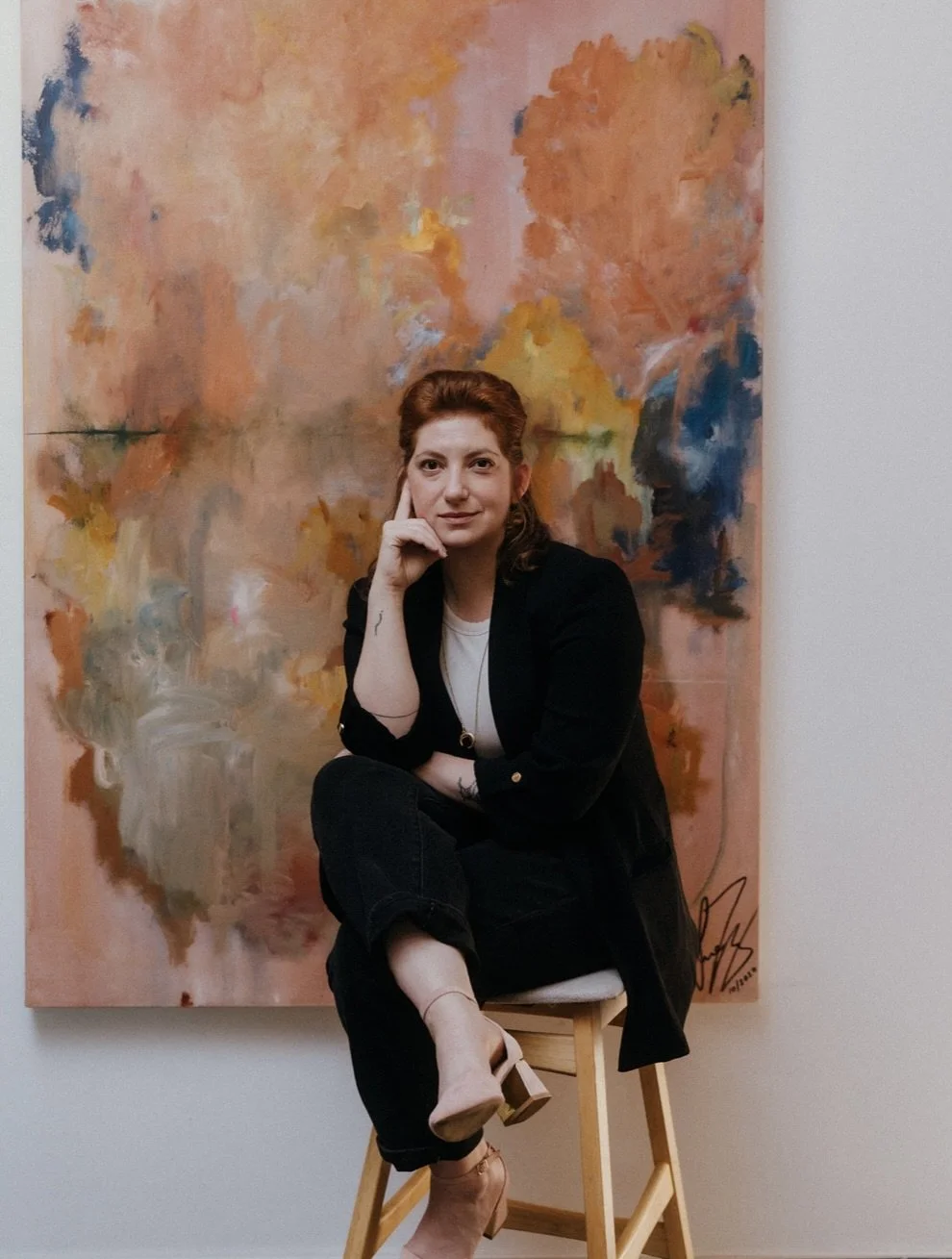
How one artist built a thriving practice selling directly to collectors—no gallery required
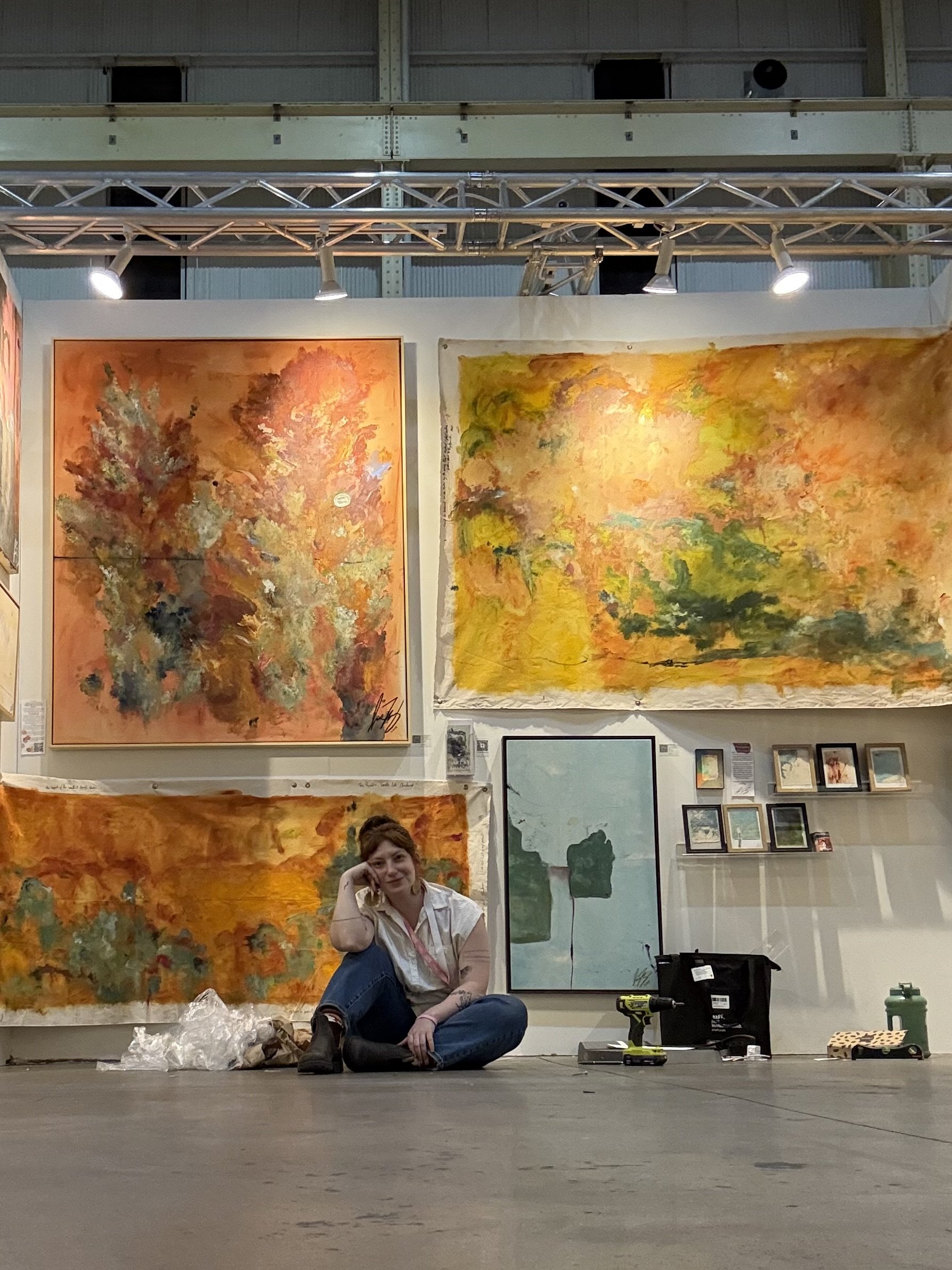
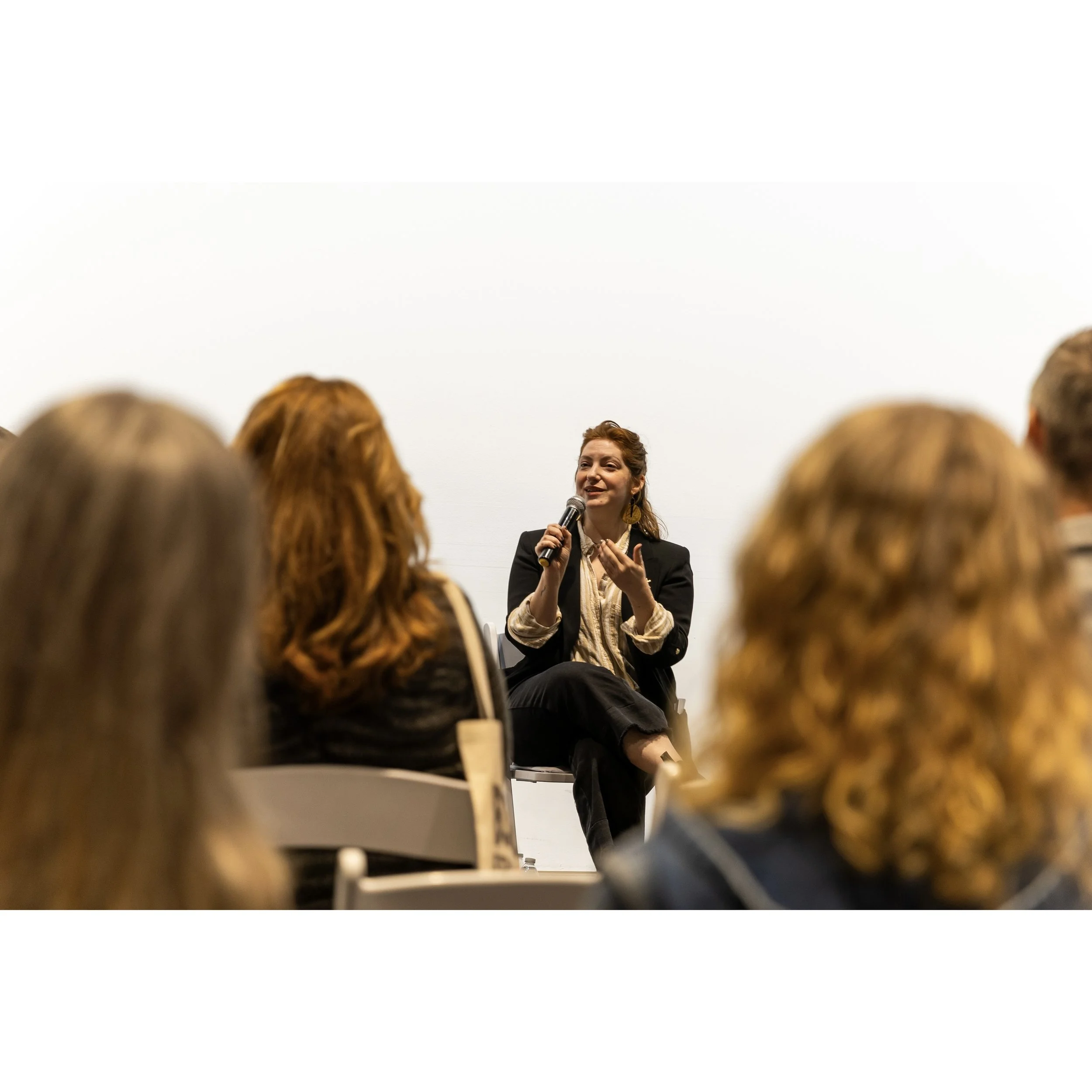
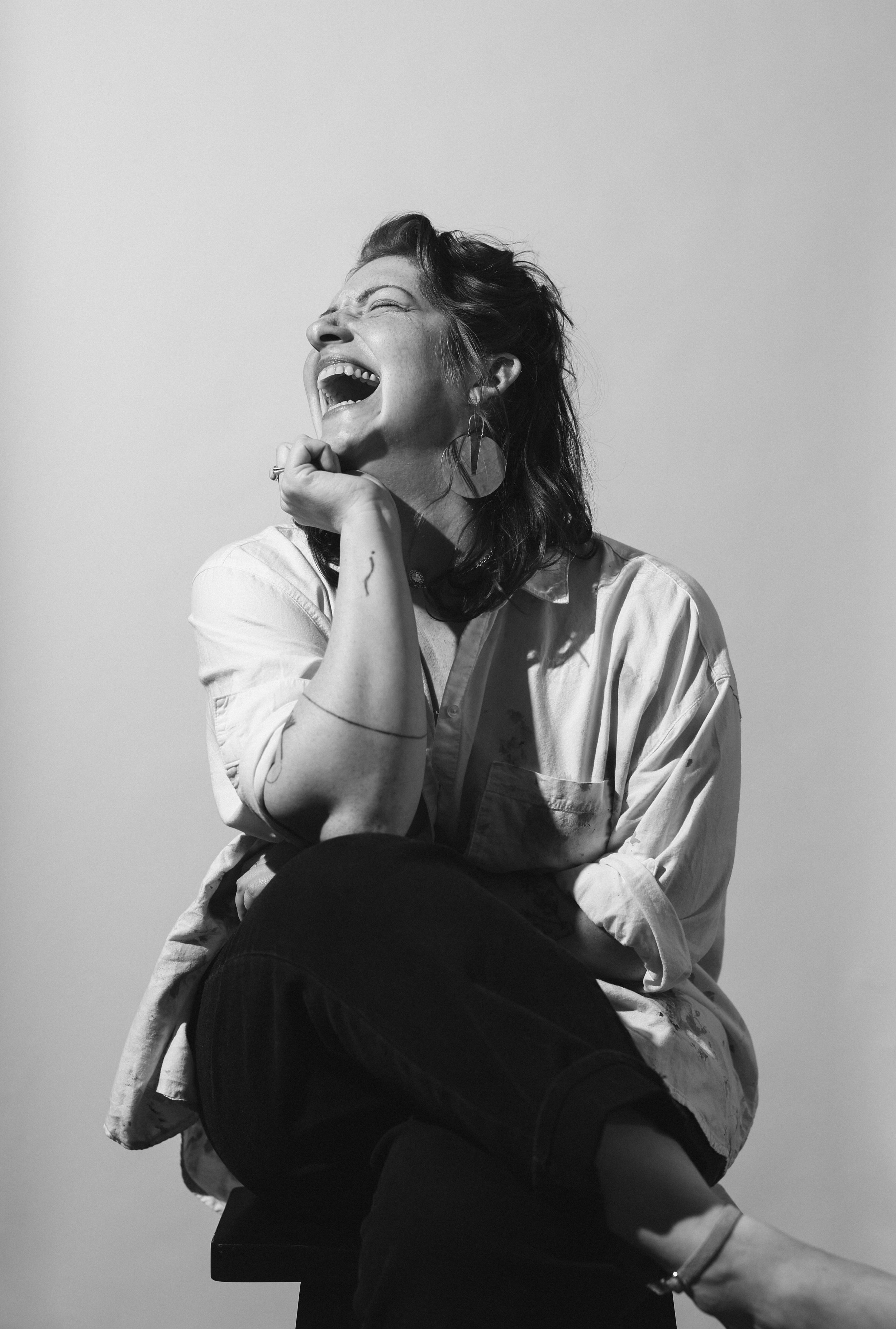
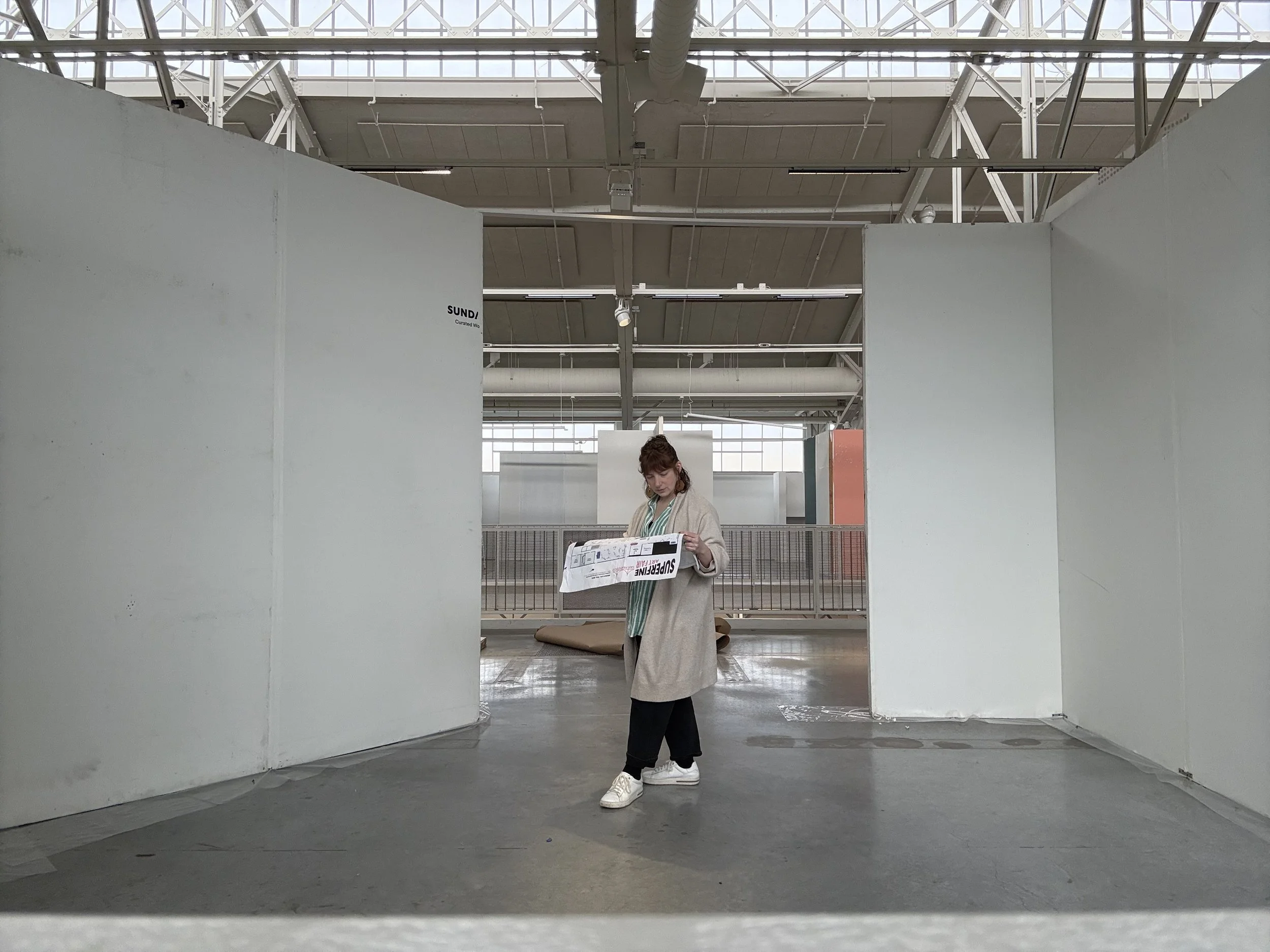
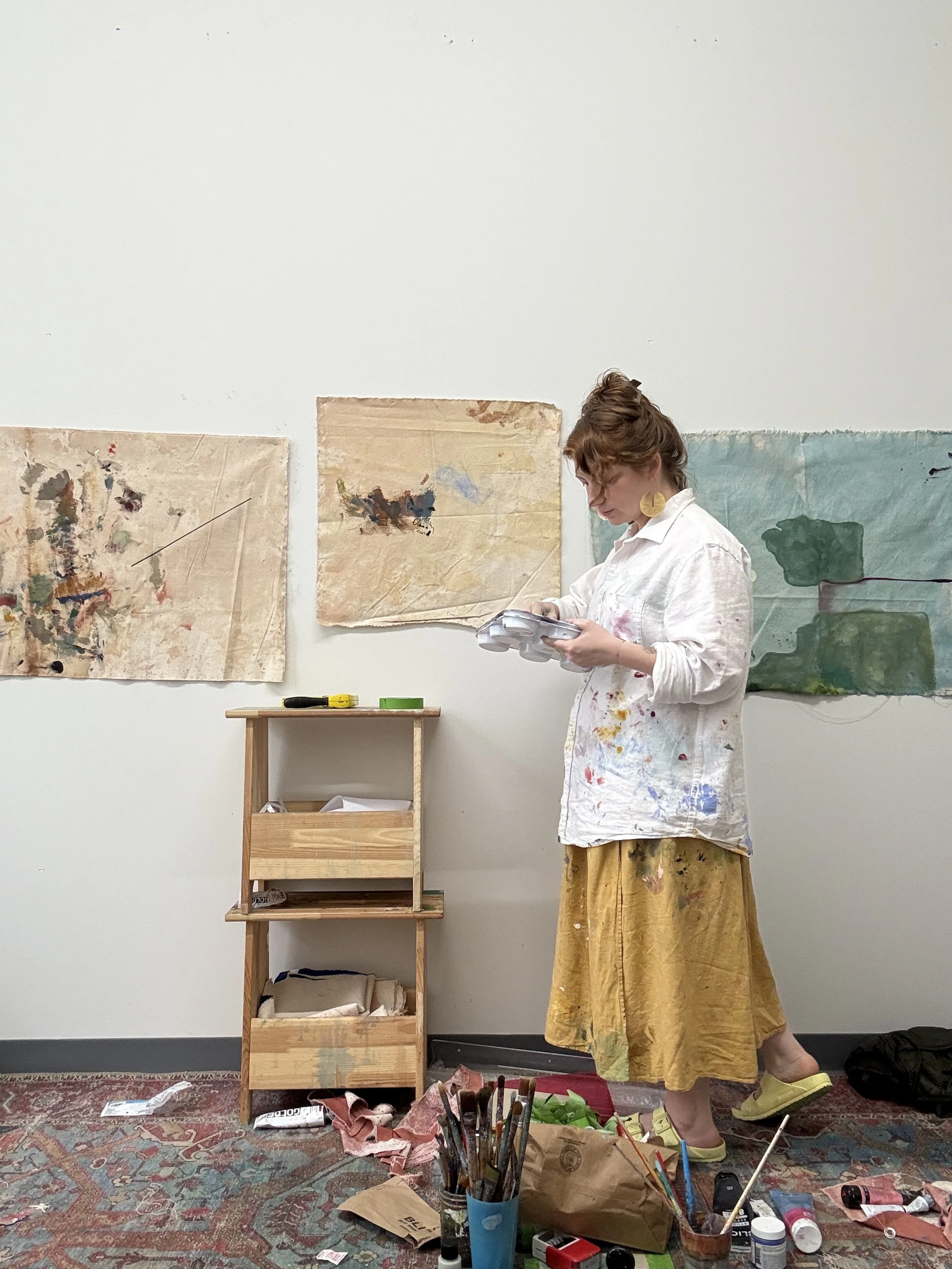
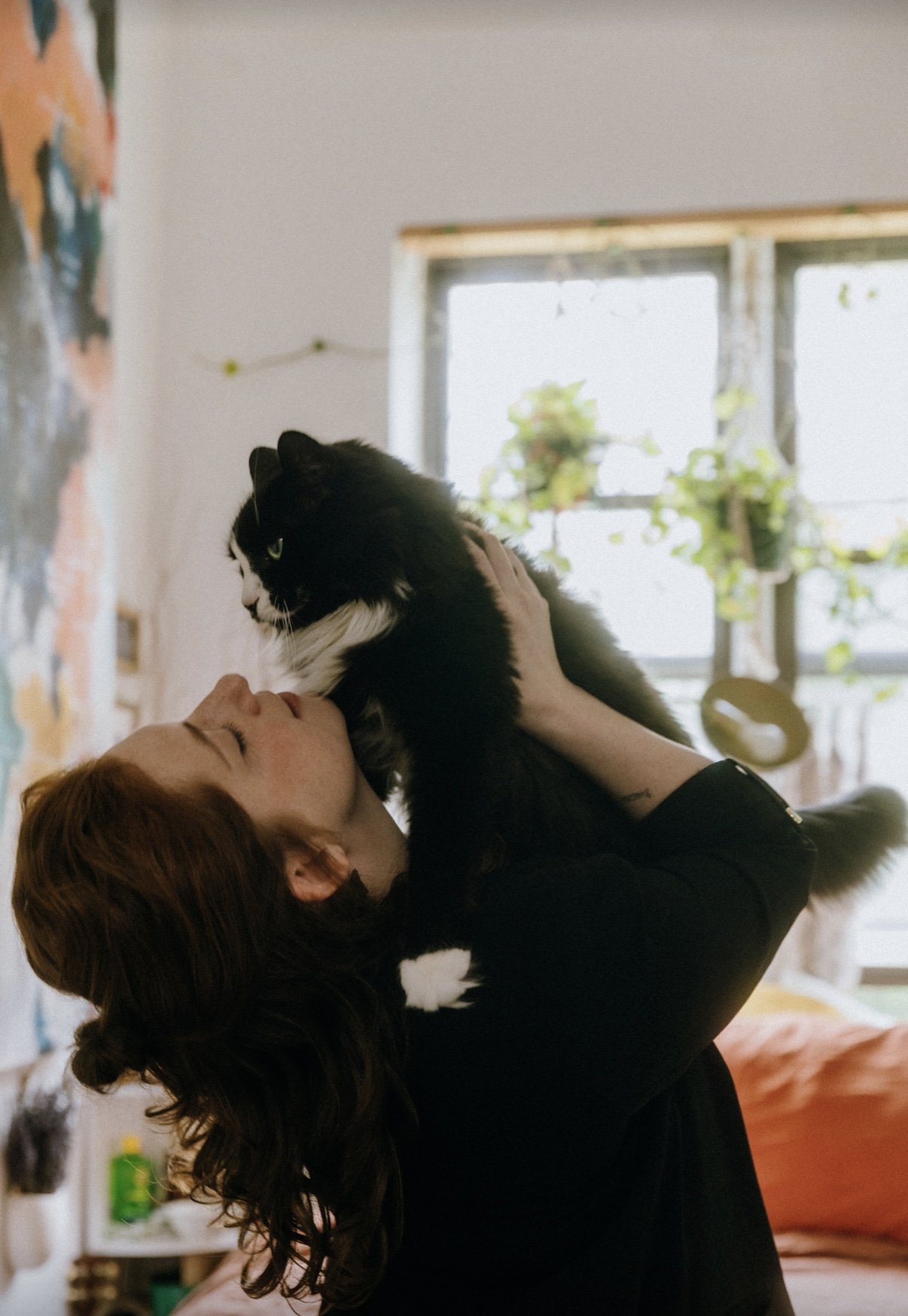
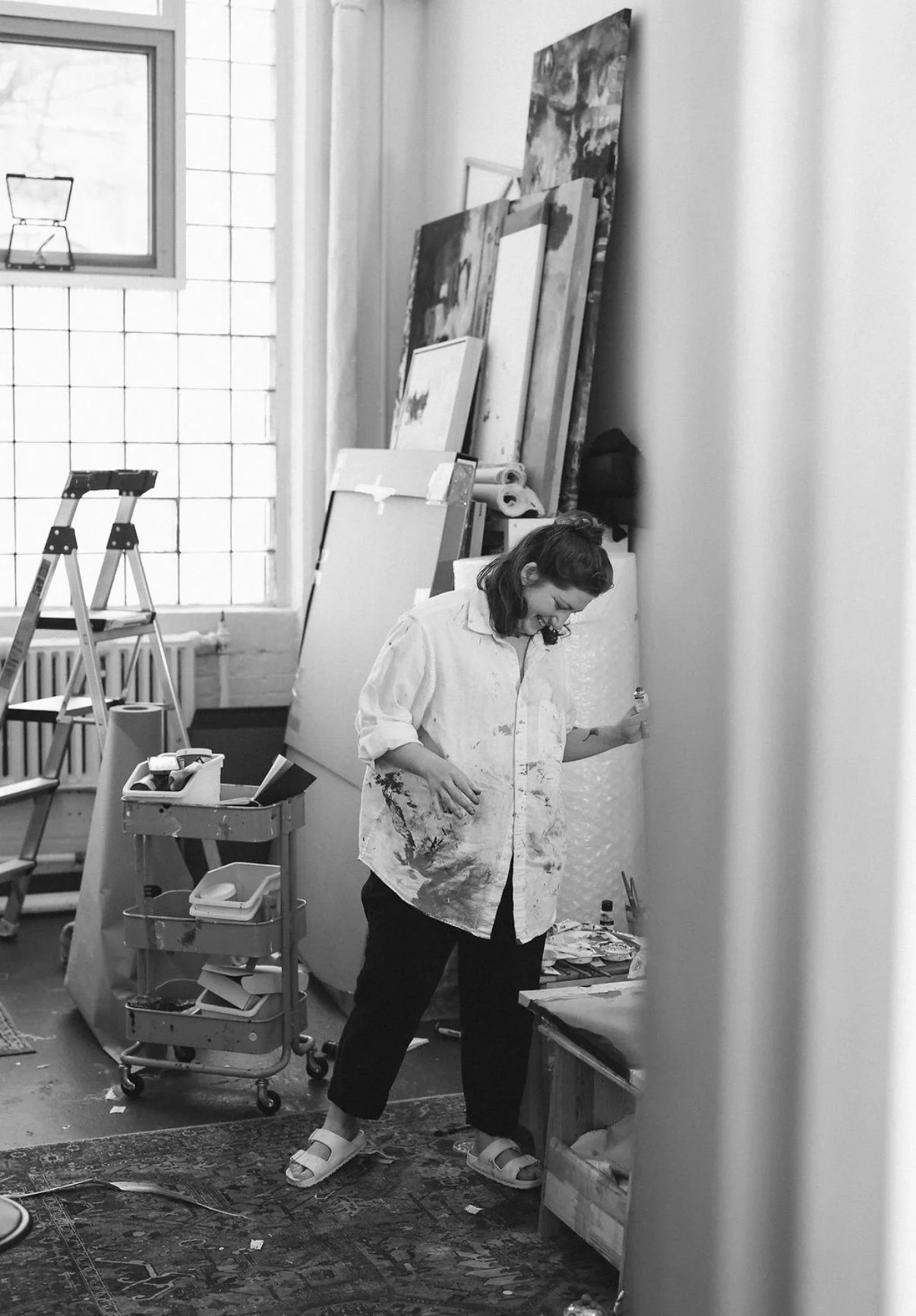
Nearly a year after our collector talk at Superfine (now The Superfair) in San Francisco, I had the pleasure of reconnecting with Sharone Halevy on The Create! Podcast. Sharone is an abstract expressionist painter who's built her entire art career around commission work and selling directly to collectors, proving that gallery representation isn't the only path to a sustainable art practice.
As the lead curator and operations manager at The Superfair, Sharone also coaches every exhibiting artist on booth curation, pricing strategy, and selling techniques. Our conversation covered everything from building confidence as an artist to why finding a hobby (that you don't monetize) might be the most important thing you do this year.
From Theater to Canvas: The Power of Storytelling
Before becoming a full-time painter, Sharone worked as a theater director, helping develop new plays and musicals. That storytelling background deeply informs her approach to painting today.
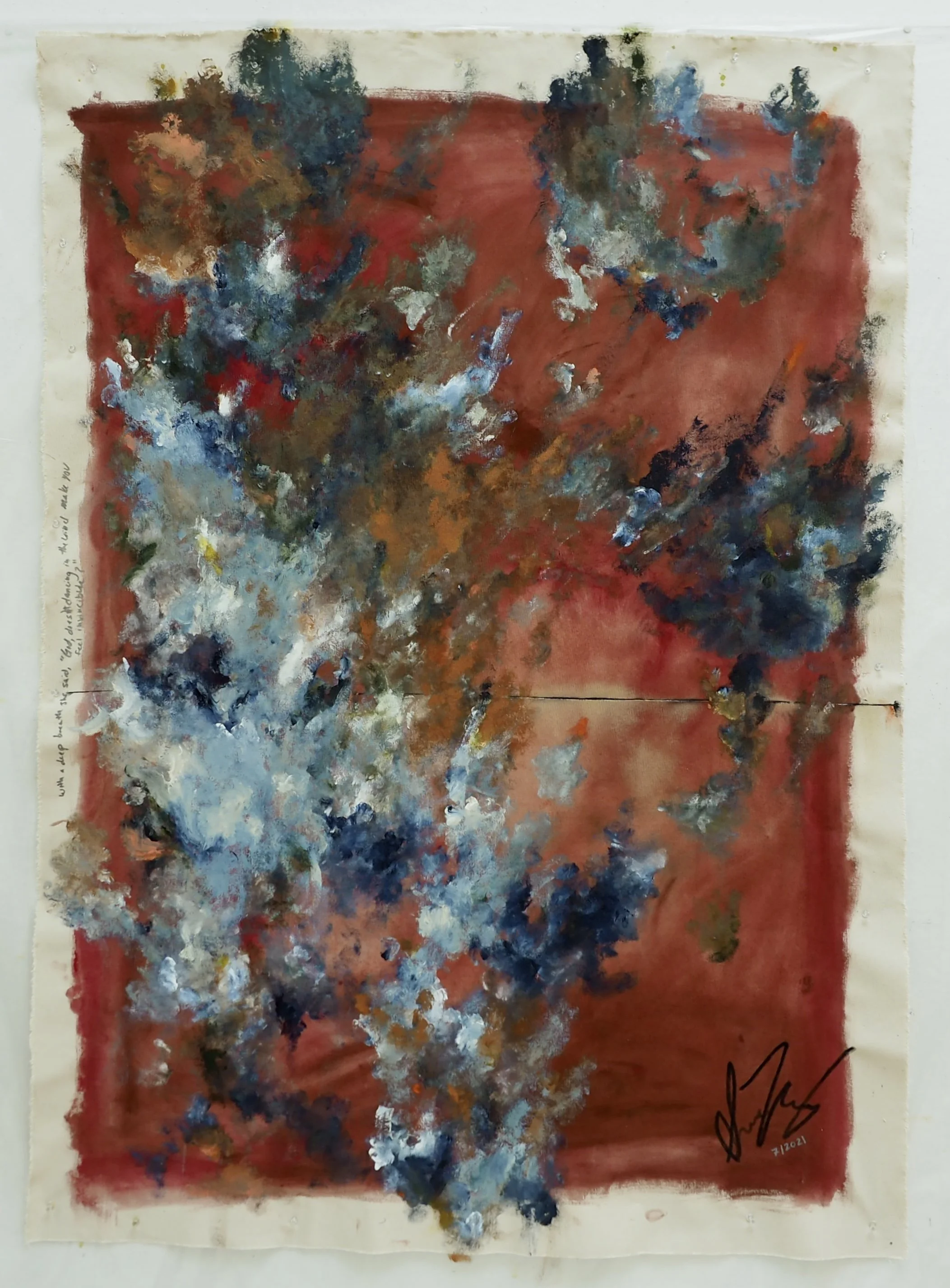
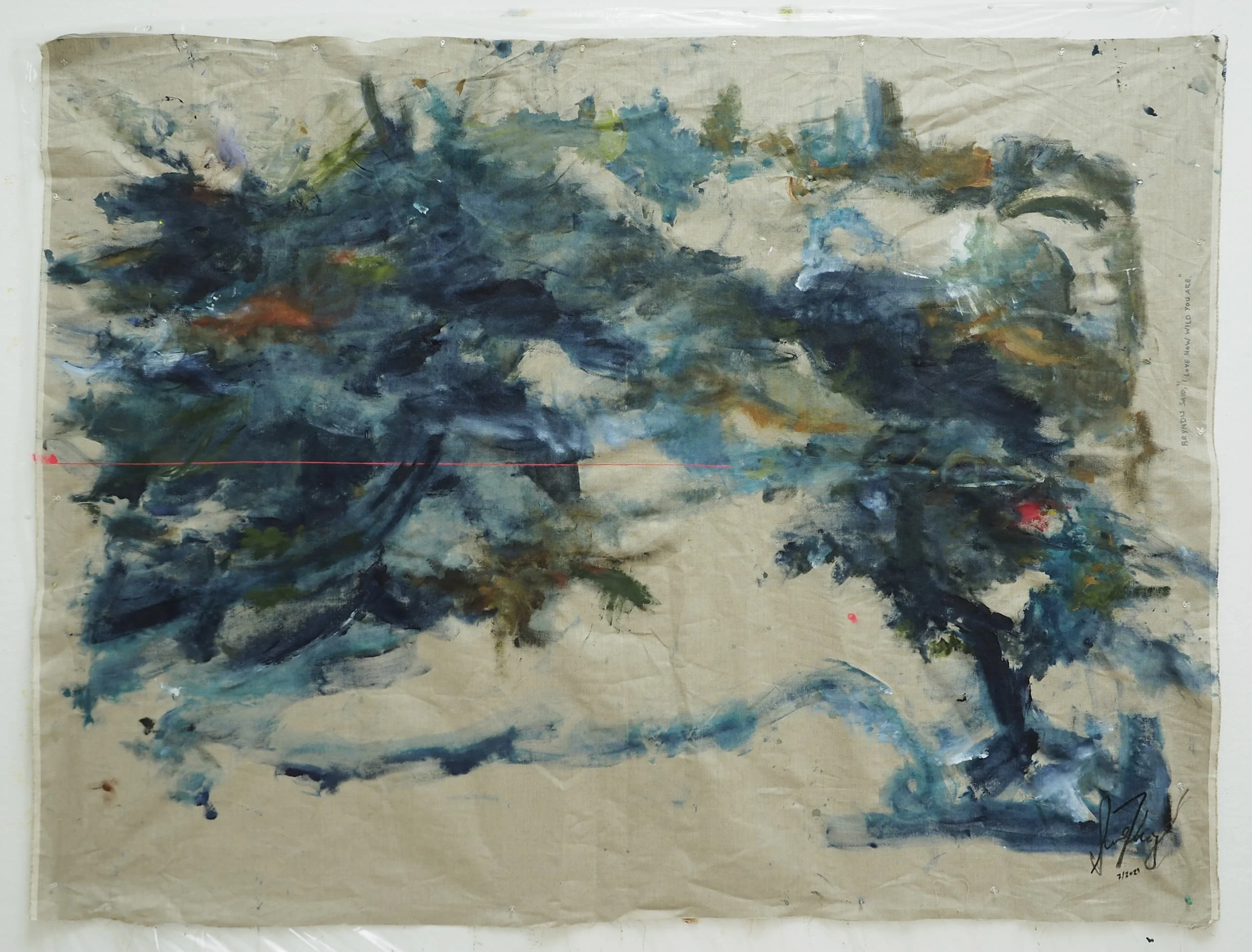
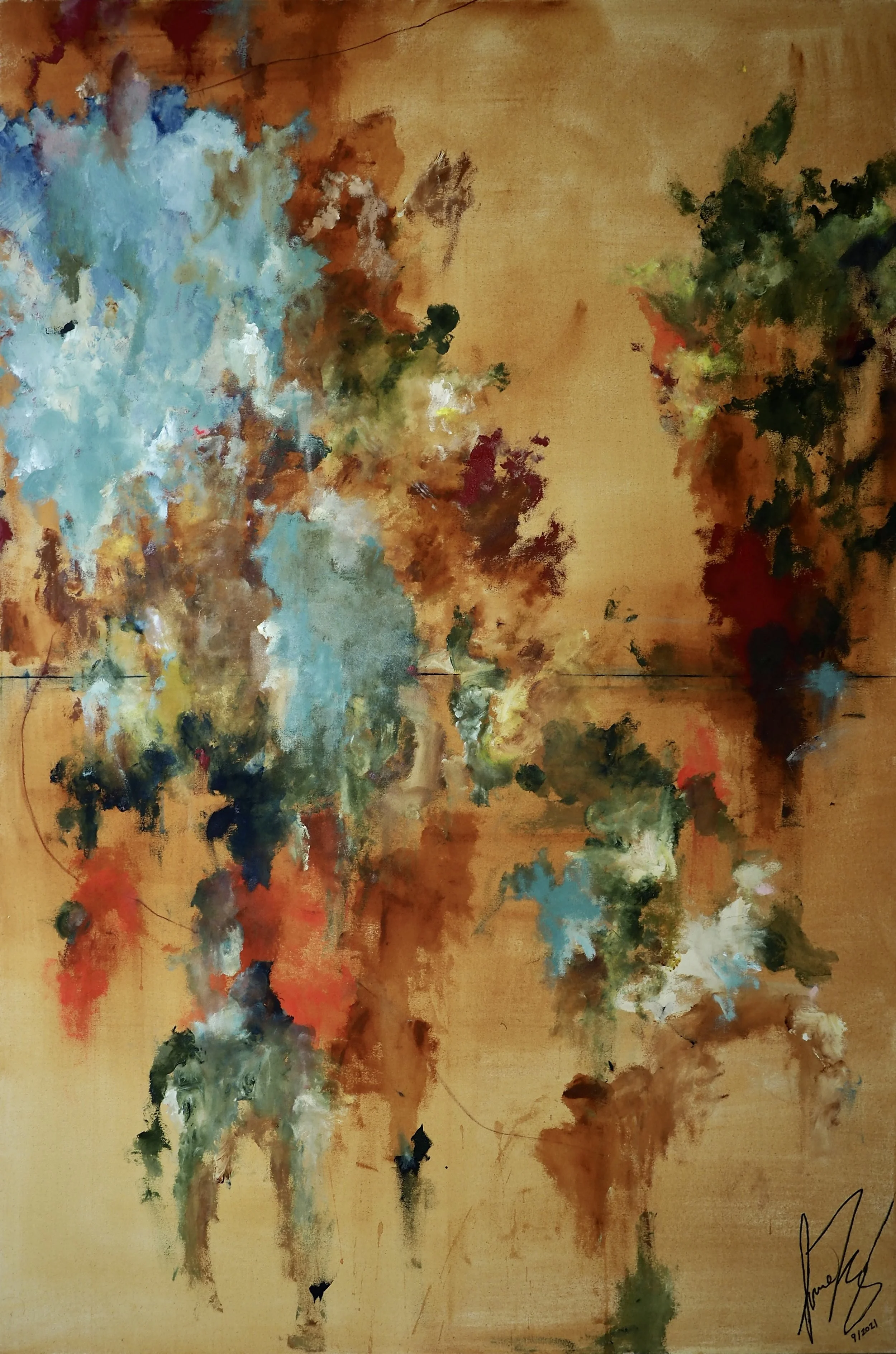
"I love storytelling," Sharone explained. "When I started to paint, I really fell in love with how do I take a story and just kind of explode it in a way. I have a lot of tattoos, and I think about how a tattoo is almost like a chosen scar or chosen memory that we keep with us forever. Artwork you keep with yourself forever as well."
This philosophy led her to focus primarily on commission work, where clients share their stories and Sharone translates them into what she calls "tangible memories." These aren't literal representations but emotional captures—paintings that evoke how a moment felt rather than every detail.
Painting to Sound: A Multisensory Process
One of the most unique aspects of Sharone's commission process is that she paints to sound. Clients provide music that becomes the sonic landscape for their piece, creating a fully immersive creative experience.
"When you think of a memory, you're not necessarily remembering all the details, but what you remember is how it felt," Sharone said. "That is what I try to capture with all of my work."
Why She Chose Not to Work with Galleries
In an art world that often positions gallery representation as the ultimate goal, Sharone's decision to sell directly to collectors is refreshingly intentional. Her reasoning? Flexibility, accessibility, and authentic connection.
"I work on sliding scales," she explained. "Some people are like, 'Yeah, I can spend five to ten thousand on a painting.' And there's other people that are like, 'I have $700.' And I'm just kind of like, 'Great, I want you to have art. Let's figure out how to make this meaningful and let's do it.'"
This approach wouldn't work within traditional gallery structures, where pricing must remain consistent. But for Sharone, the ability to make art accessible to people at different financial stages matters more than adhering to conventional sales models.
The Underestimated Power of Your Inner Circle
One of the most valuable insights Sharone shared was about the importance of friends and family as first-time collectors—a market many artists dismiss or undervalue.
"We really undermine the importance of our friends and our family being our first-time collectors," she said. "I had friends starting to say to other friends, 'You should commission from my friend Sharon. Her stuff is actually really good. It's not just because she's my friend.'"
Those early collectors became her foundation. They asked where they could see more of her work, which led her to seek out physical exhibition spaces like art fairs. Social media, particularly Instagram, gave her direct audience access before she had a studio outside her apartment.
Building Confidence: The Secret Ingredient
Perhaps the most powerful theme in our conversation was confidence. Not arrogance or false bravado, but genuine belief in the value of your work and your right to sell it.
"There's a lot of good art out there," Sharone acknowledged. "But ultimately, people buy art because they connect with the artist. They connect with the person. And if you are afraid of your own work or you are talking poorly about your own work, no one's going to buy it. Why would they? You already told them it's not good enough."
She emphasized that confidence isn't about being the best—it's about knowing who your work is for and showing up authentically for those people.
The Superfair's Philosophy: Quality Over Quantity
As lead curator and operations manager at The Superfair (formerly Superfine), Sharone brings this same philosophy to the fair itself. After rebranding, the team has refocused on attracting the right buyers rather than massive crowds.
"We're less concerned with having a massive audience at the fair now, and we're more concerned with having the right audience at the fair," she explained.
Every artist who exhibits receives free coaching on booth curation, pricing, and how to connect with potential collectors. For artists in rural areas or those without access to regular exhibition opportunities, this kind of in-person event can be transformative.
The Year of Finding a Hobby
We wrapped up our conversation with what might be Sharone's most important piece of advice for 2025: find a hobby.
Not another income stream. Not content for social media. A hobby—something tactile and creative that you do purely for joy, with no pressure to be good at it or monetize it.
"I think as artists, we're people that started our lives off loving our hobby so much it became our career," Sharone reflected. "We've all of a sudden lost the thing that we get to do that doesn't need to be amazing, that doesn't need to be something that you sell."
For Sharone, that's reading fiction, exploring portraiture for fun (as an abstract artist), and working on monochromatic coloring books from a company called 1000 Libraries—where you fill in circles with black pen without knowing what the final image will be.
"Having some kind of tactile process that lets your mind work in a different way is really important," she said. "It will only make you better as an artist, as a business person, because we need time to process the things that we have built and done without focusing on it."
Final Thoughts
Sharone's approach to her art career is a reminder that there's no single path to success as an artist. Whether you work with galleries or sell directly, show at major fairs or in community spaces, the key is finding what aligns with your values and serves both you and your collectors well.
Building confidence, knowing your audience, making your work accessible, and protecting your creative energy through hobbies—these aren't just nice ideas. They're the practical foundations of a sustainable, joyful art practice.
Listen to the full episode on Apple Podcasts | Spotify | YouTube
Connect with Sharone Halevy:
Instagram: @art_by_sharone
Website: artbysharone.com
The Superfair: thesuperfair.com
CALL FOR ART: 2026 WOMEN'S INTERNATIONAL EDITION
Create! Magazine is seeking submissions for our highly anticipated 2026 Women's International Edition. If you're a woman artist working in any medium, we want to see your work.
Deadline: January 31st, 2026