Light and Landscape: An Interview with Anelia Torres
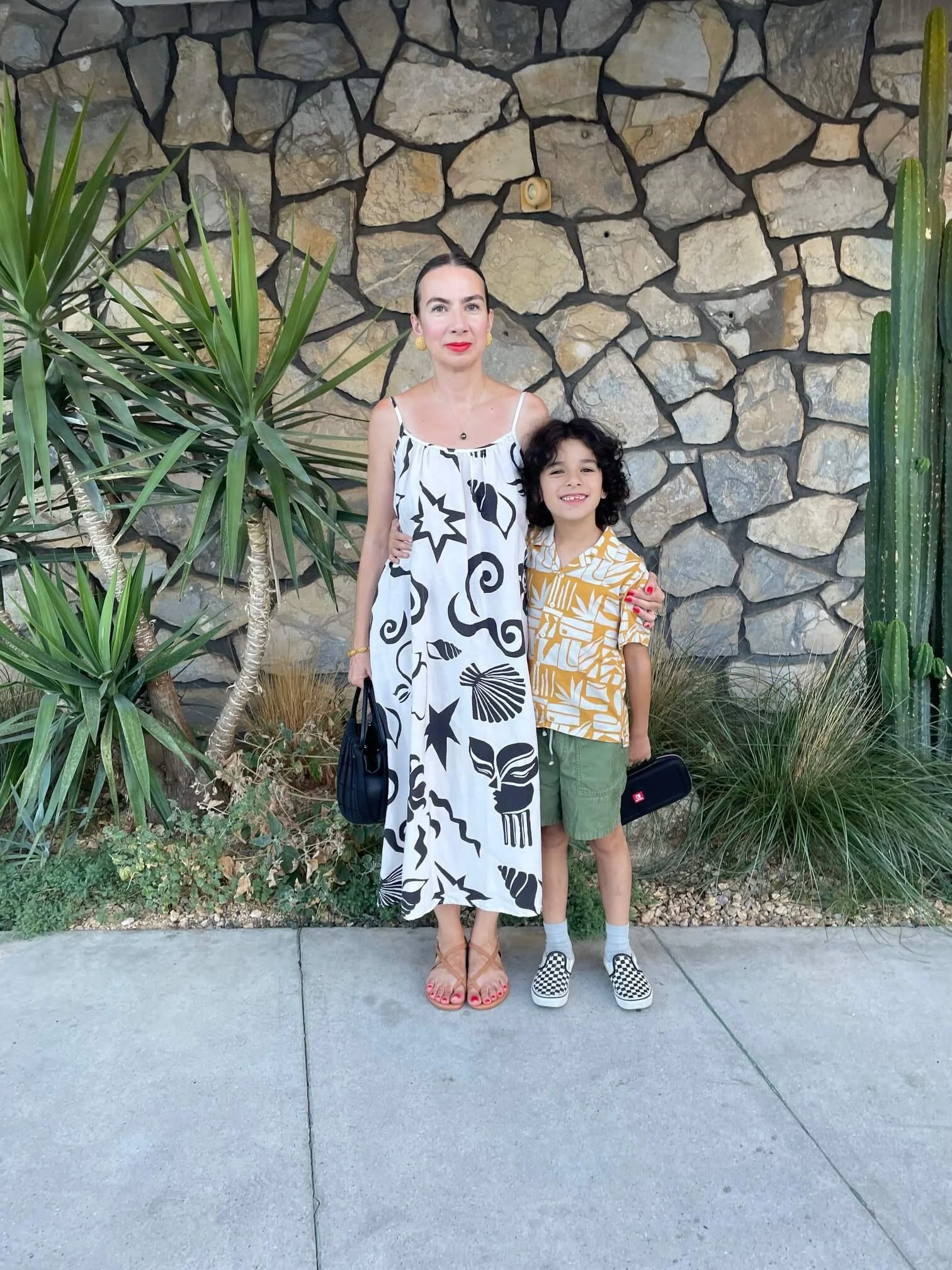
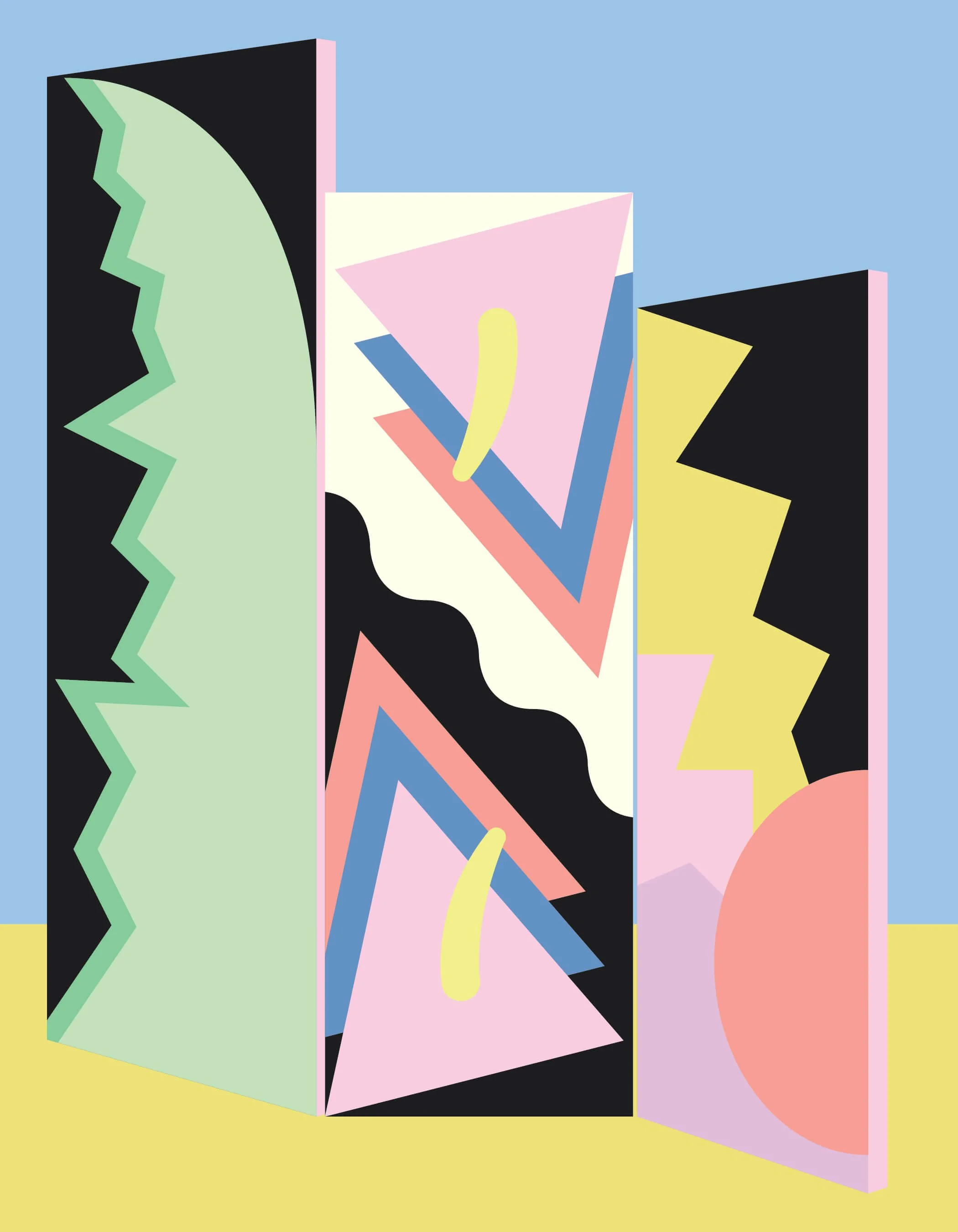
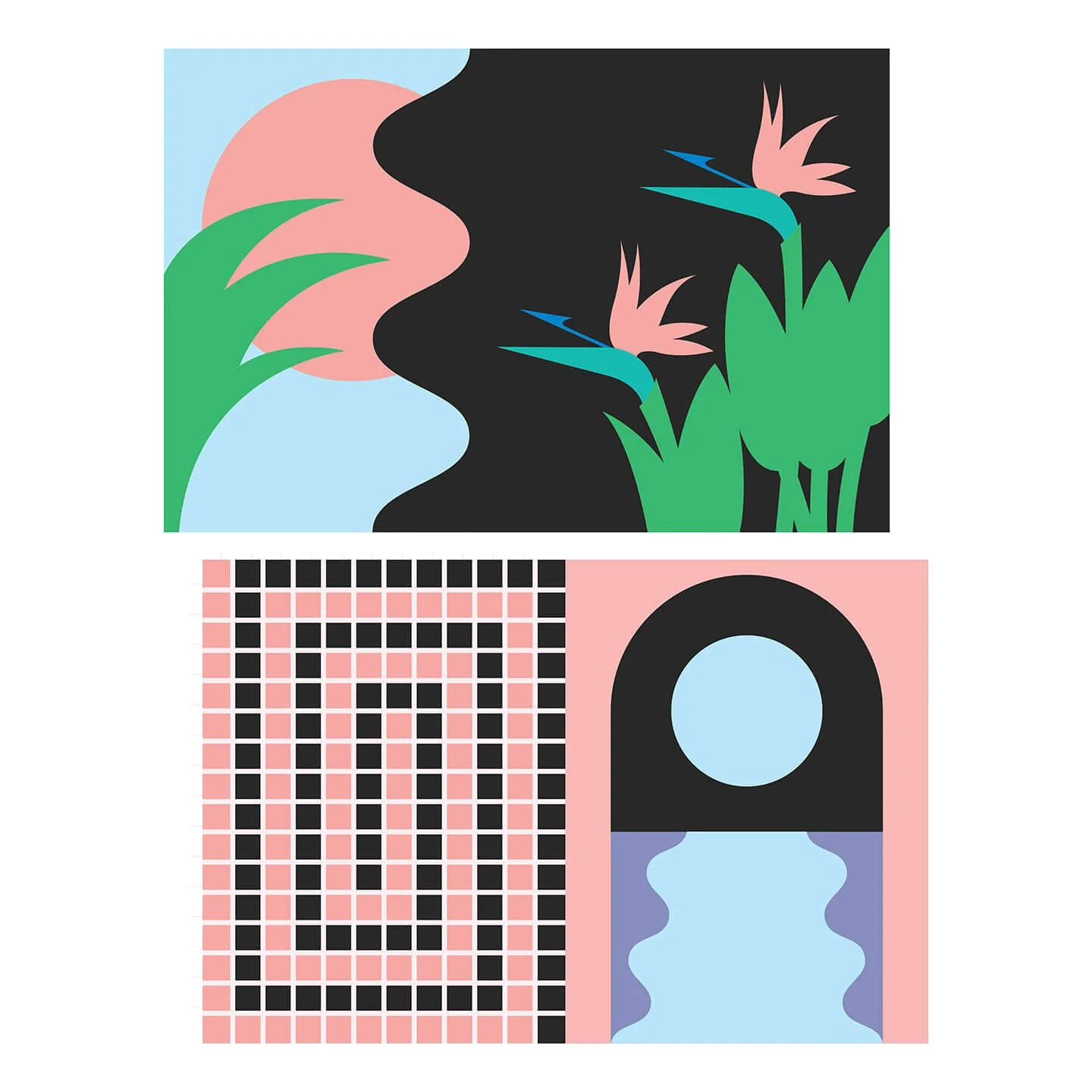
Multidisciplinary artist and designer Anelia Torres creates work that spans sculpture, digital design, jewelry, and surface pattern design. From her Los Angeles studio, she draws inspiration from Southern California's landscapes, architecture, and communities, blending real places with memory and imagination to create work that is both visually striking and emotionally uplifting.
Learn more about Anelia's work at aneliatorres.com
You grew up in a family of artists and makers. How did that early exposure shape your creative path?
As far back as I can remember I watched my parents create. Their work inspired me from day one, but they also exposed me to a lot of different art very early on. Because of their example, I always loved to draw. By the time I was in elementary school making art was second nature to me, I already identified as an artist and I knew that my path in life was in the visual arts.
Your practice spans sculpture, digital design, jewelry, and surface pattern design. What do you enjoy most about working across different disciplines?
I like that I can make art pieces and design objects that all "speak the same language" and communicate the same ideas but can be expressed in a variety of mediums and experienced in different ways.
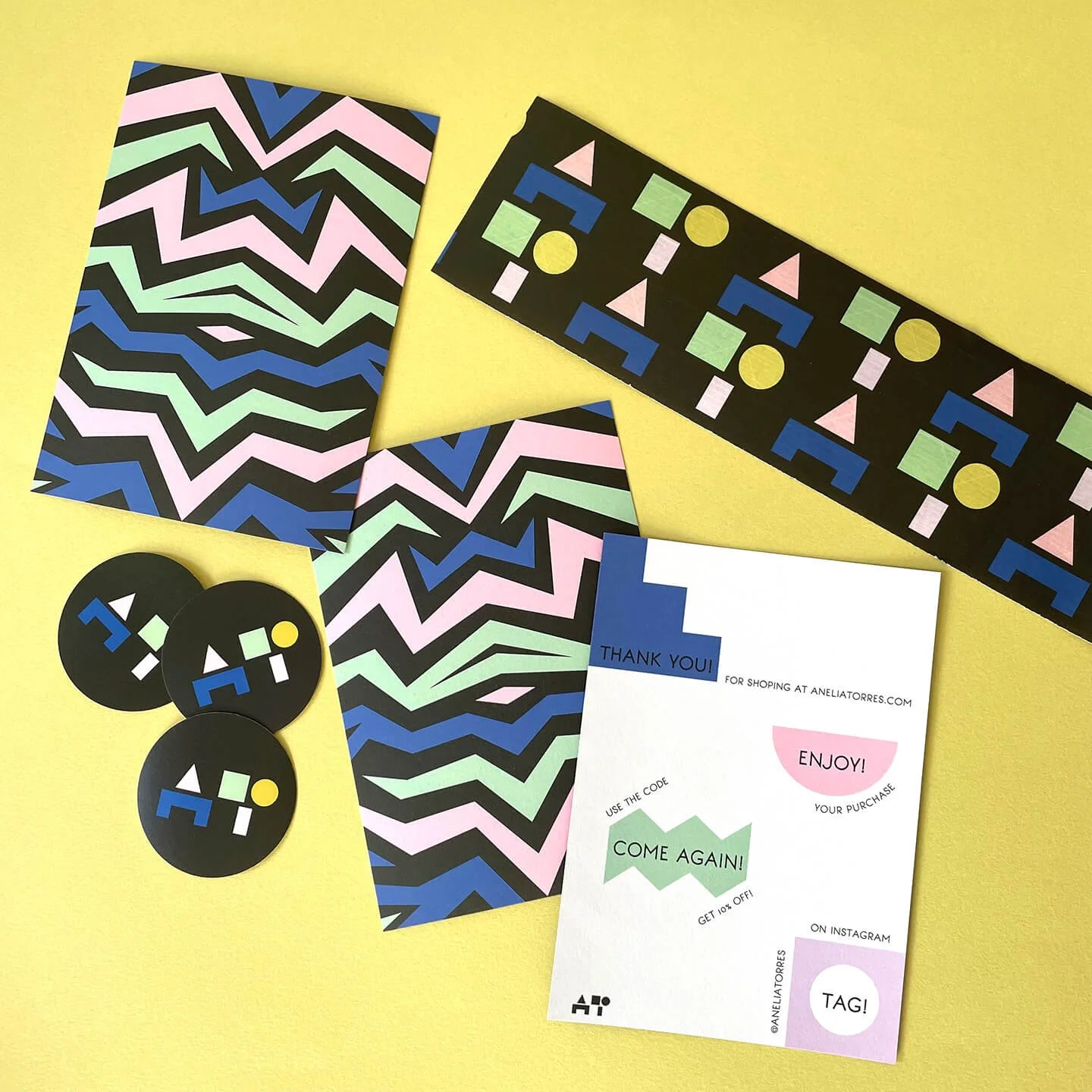
Los Angeles and Southern California play an important role in your work. How does this environment influence your ideas and visual language?
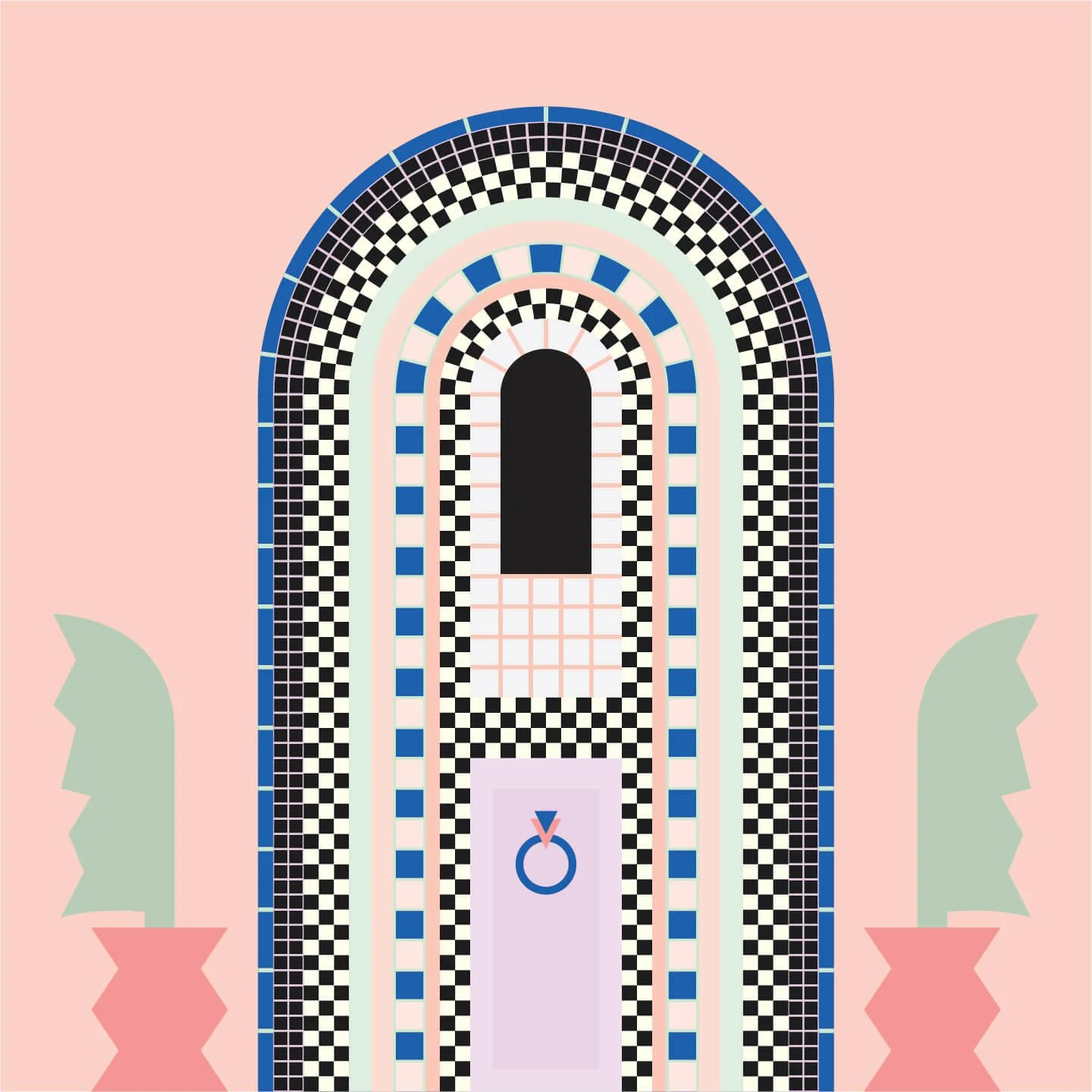
My surroundings influence both the mood and the aesthetics of my work. Many of my pieces reflect the breezy laid back vibe of Southern California from it's beaches to its semi-dessert terrain and climate. As well as the landscape, my work is influenced by local architecture, particularly art deco and mid century which are both prevalent styles in Los Angeles. More subtly the storied past of the city and its dynamic communities also shape my work.
You often combine real places with memory and imagination. How do you begin blending these elements in a new piece?
It depends on the piece. Sometimes I take a very specific place or object and intentionally reimagine it. Other times this happens more intuitively and results in something more abstract.
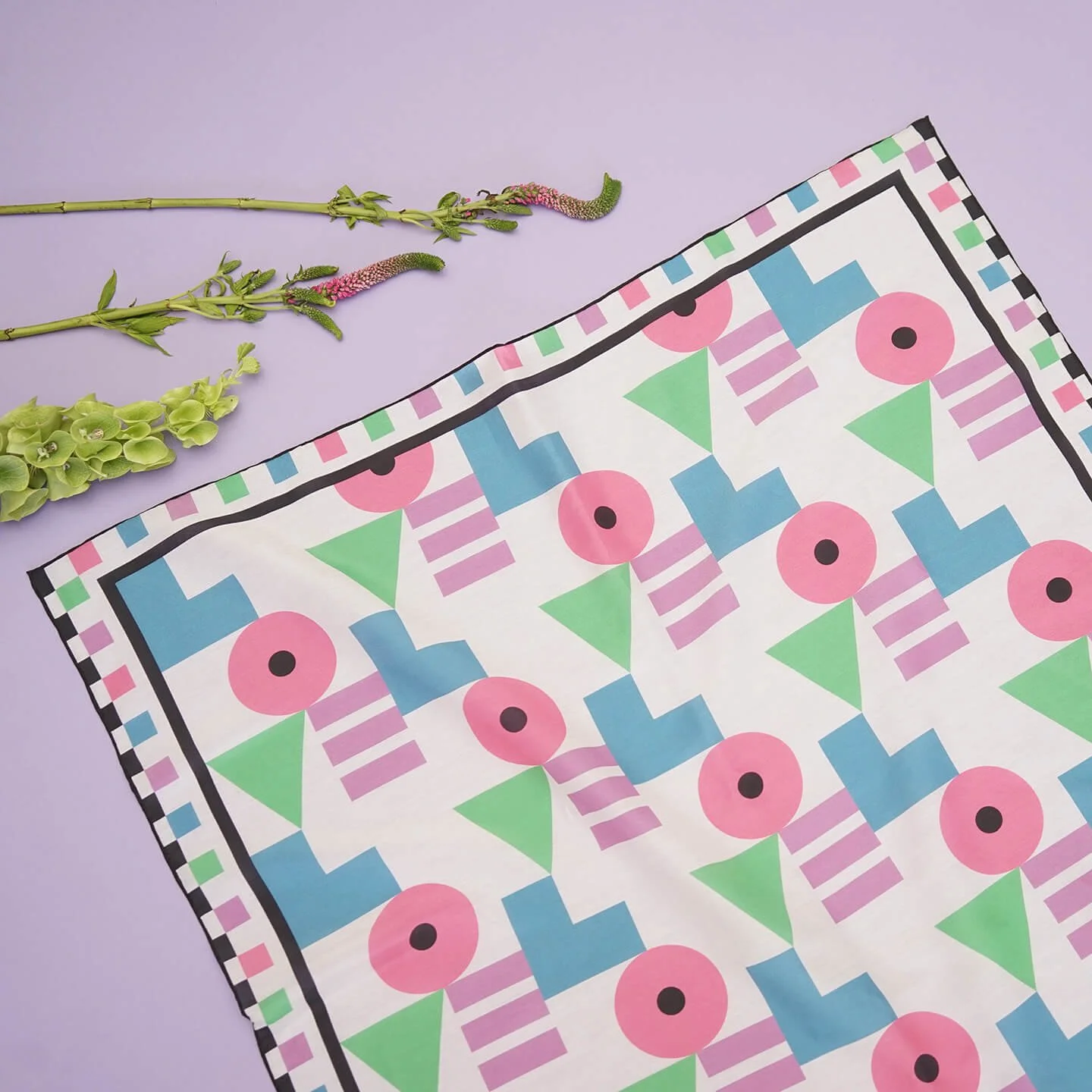
Digital tools became an important part of your practice after college. What drew you to working in Adobe Illustrator?
At the time I was working with sheet materials such as acrylic and steel, using cutouts to create reliefs or 3 dimensional sculptures. I would draw and create templates for the various components of my sculptures by hand and then cut the material using tools such as a plasma cutter, jig saw, or dremel. To save time and create pieces with a sleeker look, I wanted to try having the components of my sculptures machine cut using processes such as water jet or laser cutting. These machines require a digital file to work from, so I needed to create digital files of my templates. Adobe Illustrator was the simplest way to go about this. Once I became proficient in Adobe Illustrator, I really grew to love working with it and branched out into other disciplines besides sculpture.
Your work moves between abstract and representational forms. How do you decide where a piece should live on that spectrum?
I like my work to have a sense of mystery. I create work that is open ended and invites the viewer to use their imagination. To that end, I really try to avoid being too literal in my work. Sometimes some concrete imagery still works or is needed, but other times I veer more towards abstraction.
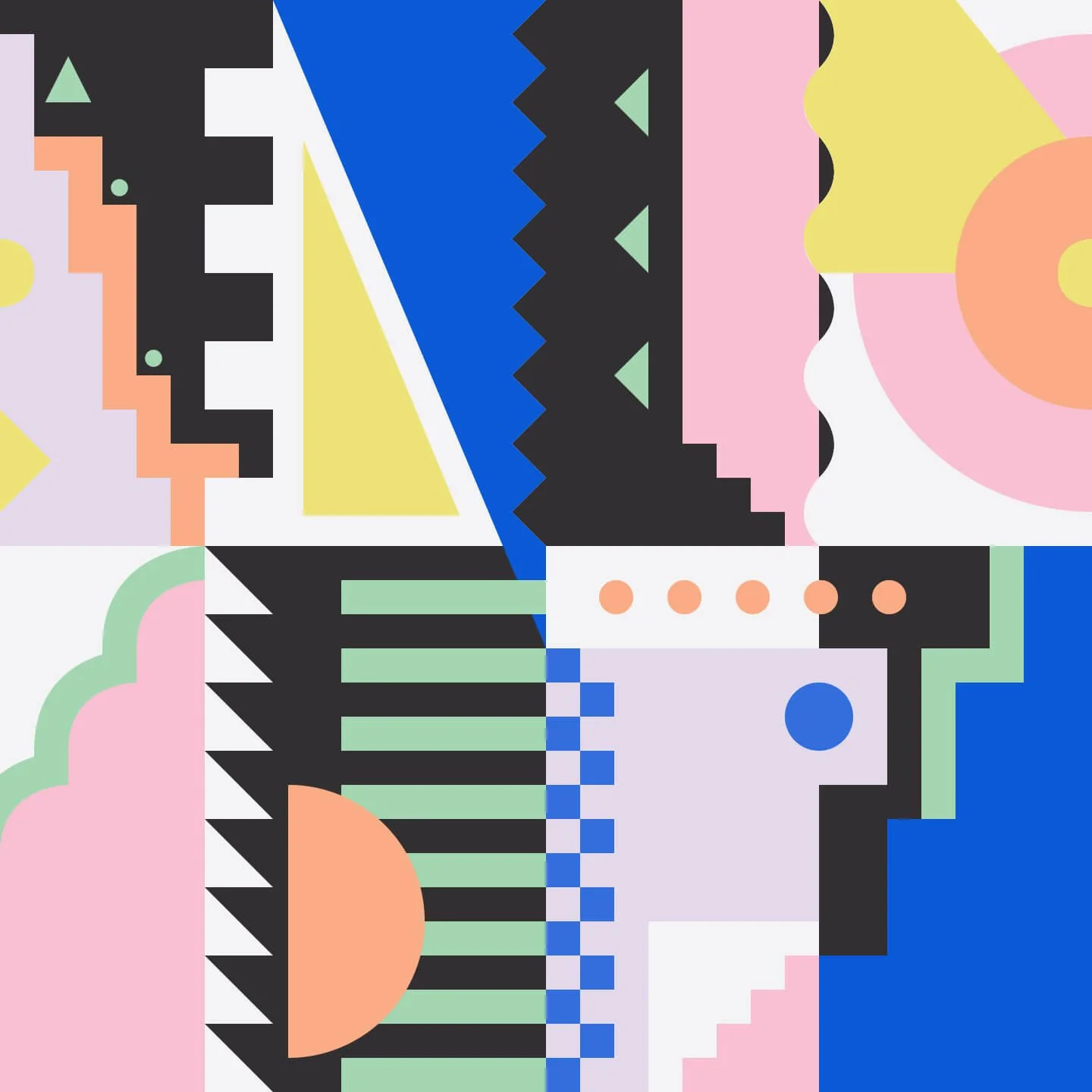
You aim to create work that feels positive and uplifting. Why is that important to you?
Like any other person, I have experienced trauma, loss, and pain. I'm sure this is part of what fuels me to create but it's not what I choose to to focus on in my work. There is a lot of darkness in the world, we shouldn't turn a blind eye to that. However, it'd also very important to appreciate the light, love, and beauty in our world. I look for that everyday and I hope my work inspires the viewer to do so as well.
What are you most interested in exploring next in your creative work?
When I started college I had originally planned to study fashion design and have always been very passionate about fashion. It's something I would like to explore more creatively.