Breaking Through: An Interview with Kuan-Hsuan Lu
Visual designer and artist Kuan-Hsuan Lu creates digital art that explores growth, resilience, and the power of breaking through limits. From her studio in New York, she uses flowers, hands, and containers as symbolic language to examine the tension between fragility and strength, protection and freedom.
Visit Kuan-Hsuan Lu's work at kuanhsuanlu.design
You moved from Taiwan to New York to build your practice. How has that geographic shift influenced the themes you explore in your work?
Moving from Taiwan to New York marked a pivotal emotional and creative shift in my life. Being physically distanced from my roots made me more acutely aware of identity and the nuances of personal growth. In Taiwan, I was cradled by familiarity; in New York, I had to learn to navigate uncertainty and carve out my own rhythm. My work often dwells in this "in-between" state - the delicate balance of honoring my heritage while embracing the person I am becoming.
Flowers, hands, and containers appear throughout your art as symbols. What do these images mean to you personally?
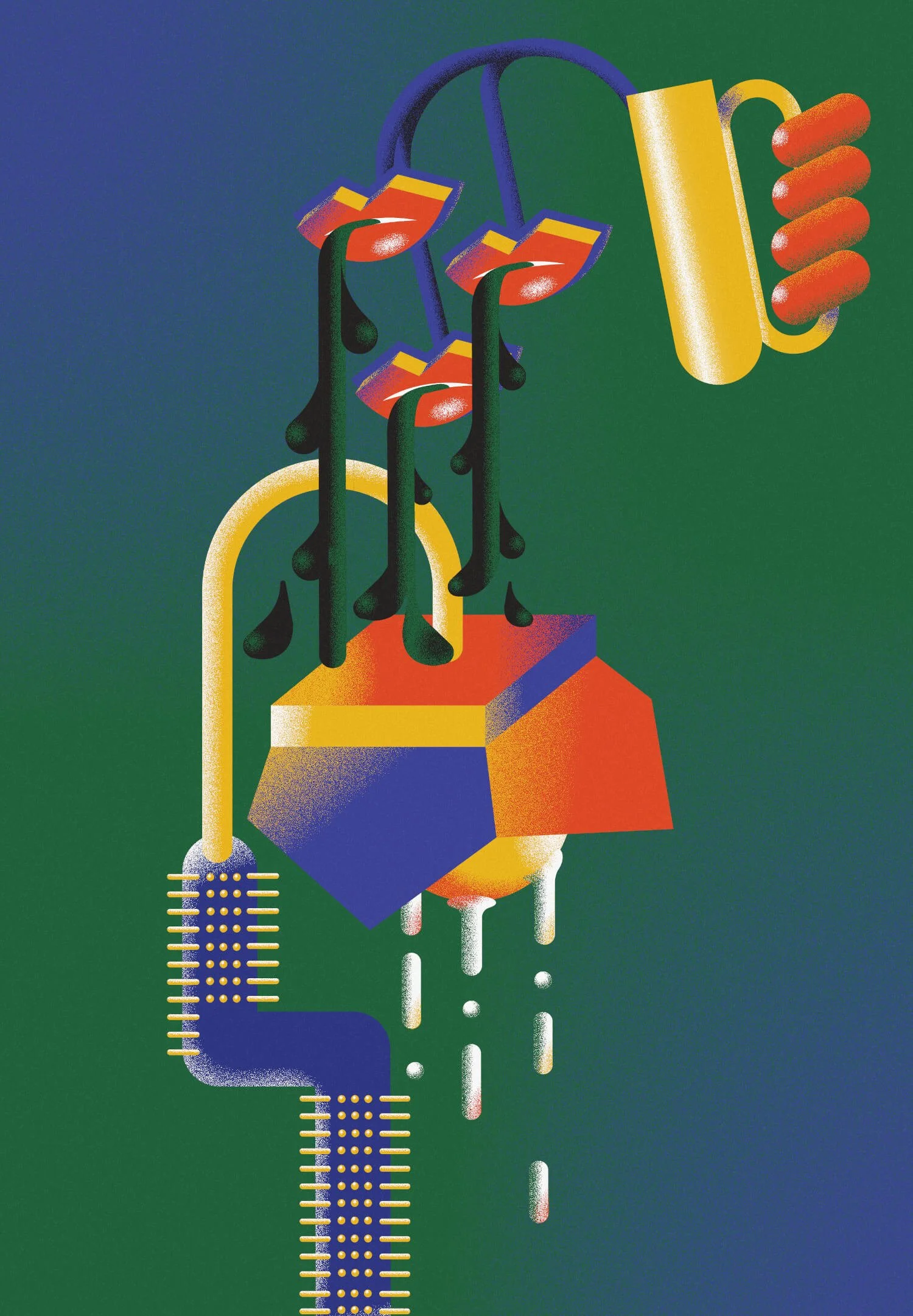
Flowers represent growth, sensitivity, and resilience - they appear fragile but possess an unyielding will to survive. Hands symbolize agency, care, and human connection; they have the power to nurture, hold, or sometimes restrict. Containers often serve as metaphors for boundaries, protection, or societal expectations. Together, these elements reflect a core belief in my work: that growth often happens within limits, and it is through challenging those limits that we truly evolve.
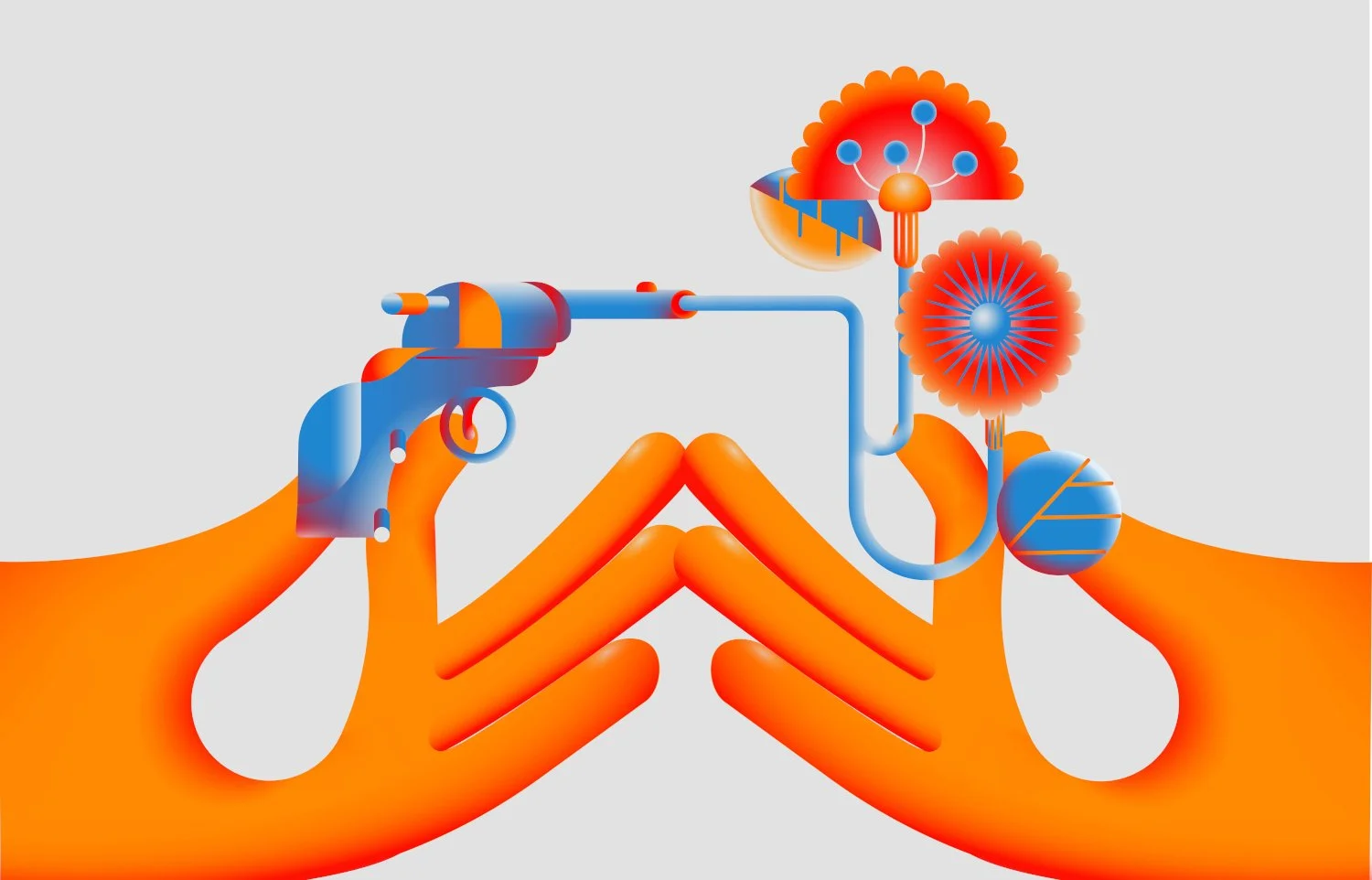
You describe your work as being about breaking through limits. Can you share a specific moment when you felt confined and how that experience shaped a piece?
There were periods where I felt confined by expectations and invisible pressures. Even when I was moving forward, progress wasn't always visible, which created a sense of being "stuck." During those times, I became obsessed with the idea of growing under constraint. This directly shaped my pieces where organic plants forcefully push through glass or rigid geometric structures. These images are born from a very personal desire to transcend whatever feels limiting.
Your art balances fragility and strength. How do you use color and composition to communicate that tension?
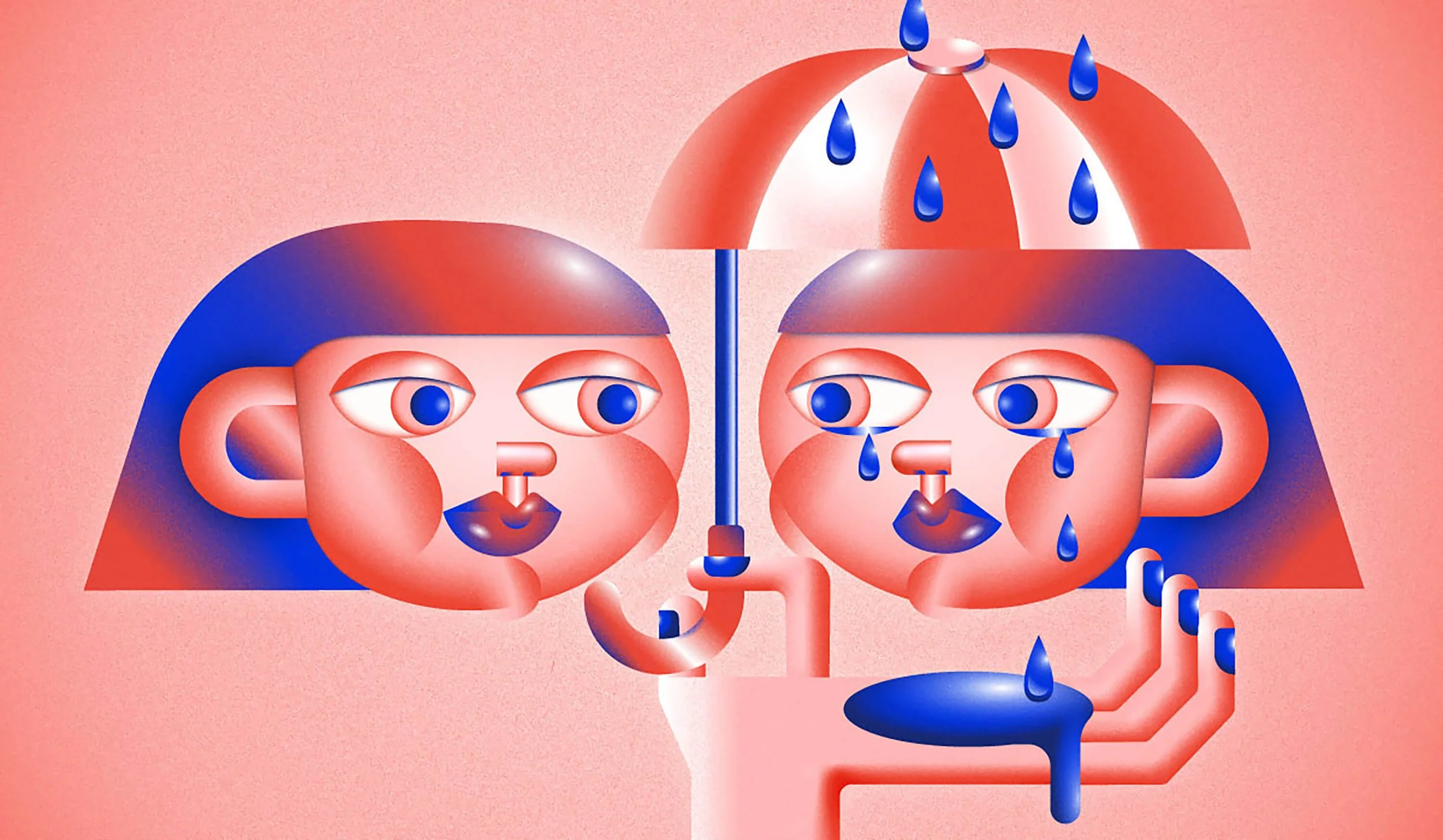
I've always been drawn to saturated, high-contrast colors rather than muted tones. This choice is a direct reflection of my personality - I'm naturally energetic and expressive (laughs). By pairing bold palettes with strong, decisive compositions, I create a visual tension where softness and strength coexist. This contrast allows me to communicate complex emotions in a way that feels direct, honest, and unapologetic.
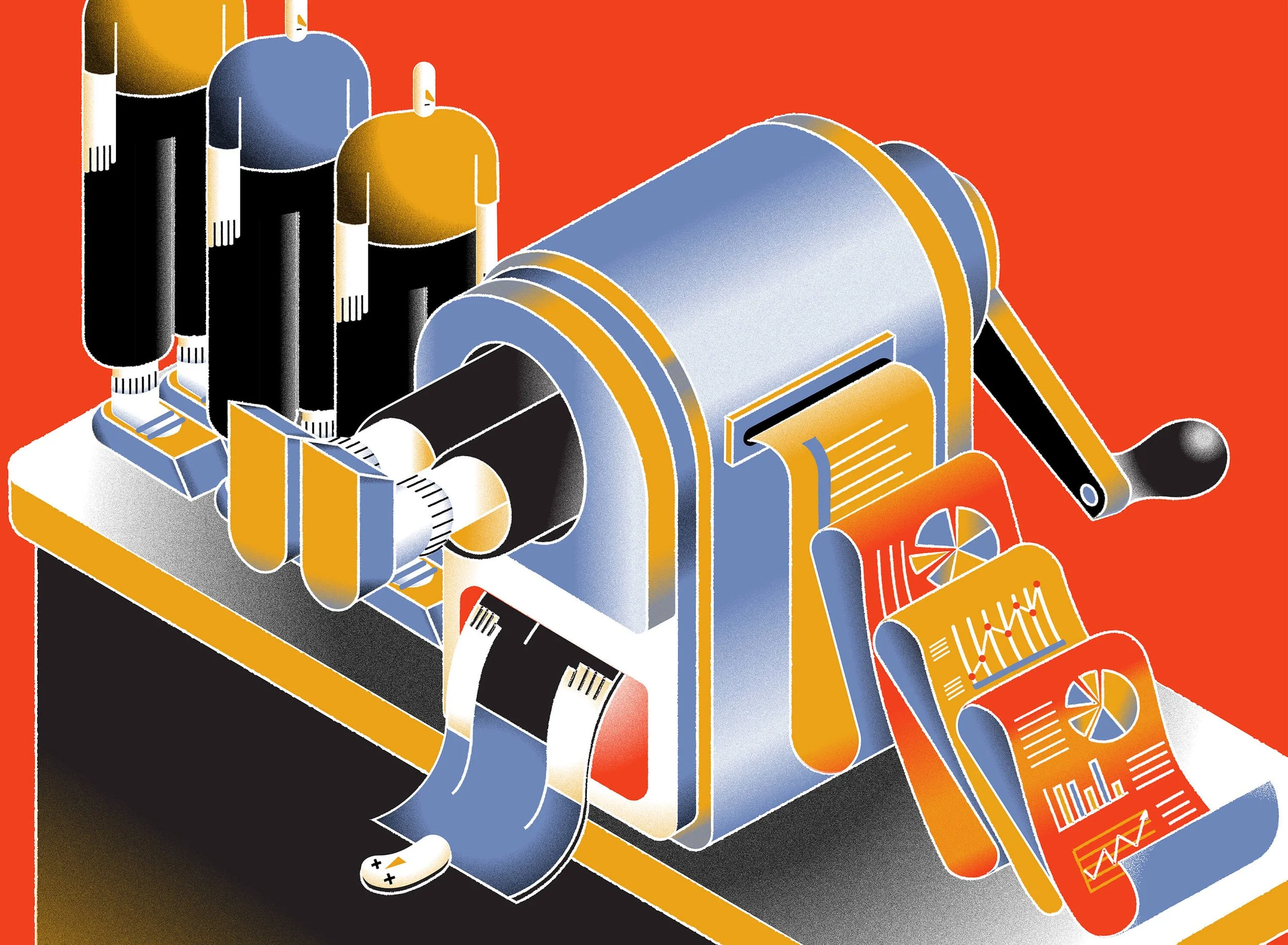
You work primarily in digital art and illustration. What does the digital medium allow you to express that feels essential to your practice?
The digital medium allows me to work with an intuitive, emotional fluidity. I can experiment fearlessly with color, texture, and layering, adjusting the piece as my internal landscape evolves. This flexibility is essential because my practice is deeply rooted in emotions that are constantly shifting; the digital canvas is the only place that can keep up with that movement.
You want viewers to see their own journeys reflected in your work. How do you create that open space while still telling your personal story?
My process begins with personal experiences, but I intentionally lean into symbolism rather than literal storytelling. By leaving the narrative open-ended, I create a vessel where viewers can pour in their own memories and stories. My goal is for the emotional core to remain authentically mine, while the visual space belongs entirely to the observer.
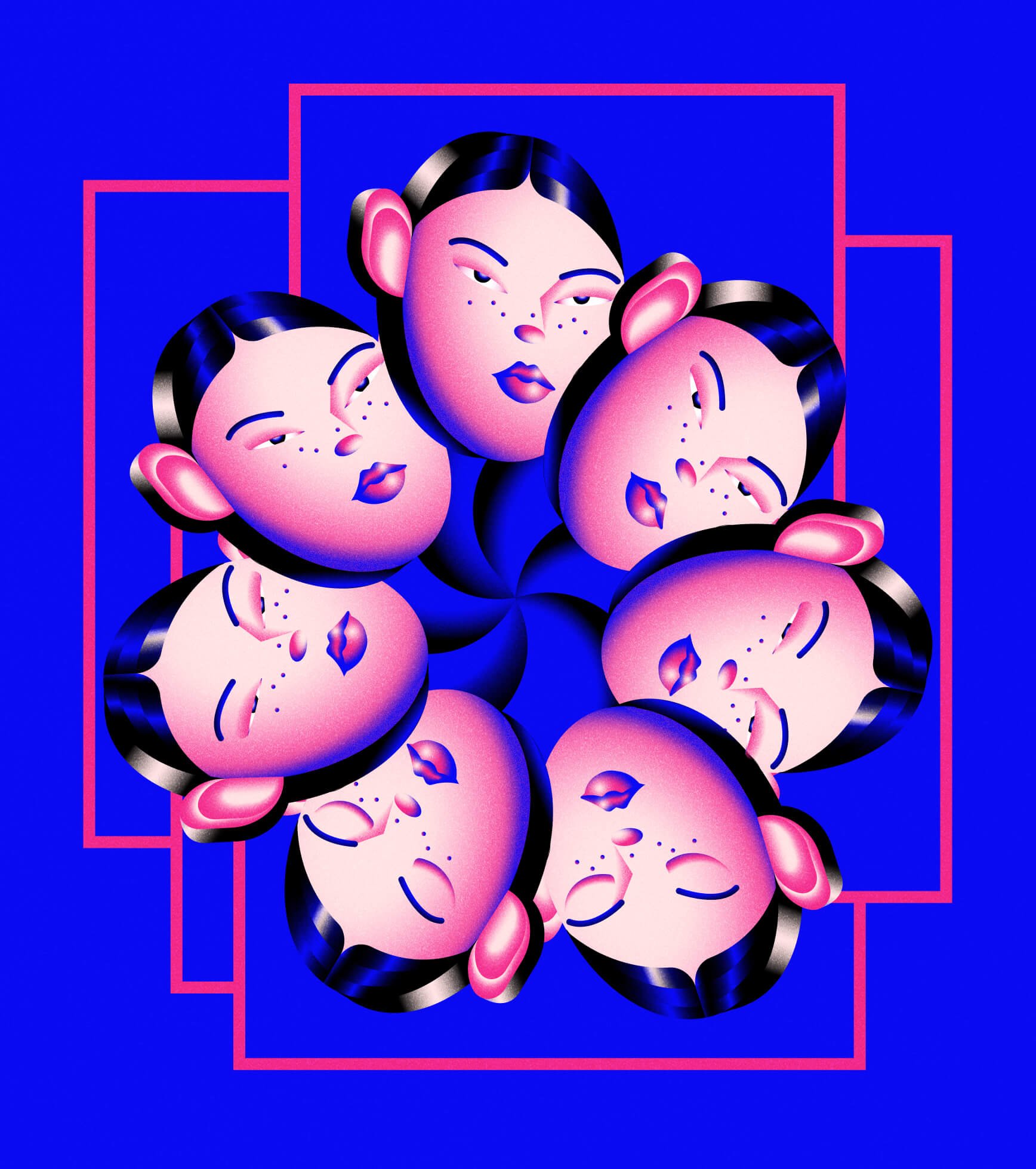
Growth and resilience are central to your work. How has your own relationship to those ideas changed as your practice has evolved?
Earlier in my career, I viewed growth as a relentless push - a constant breaking of obstacles. Over time, that perspective has matured. Now, I understand that growth also demands patience, reflection, and the courage to slow down. This shift has led my work toward a more balanced and sustainable definition of resilience - one that values the quiet moments of recovery as much as the breakthrough itself.
What are you most curious to explore next in your practice?
I'm eager to expand my practice into motion and immersive formats, but the content remains my primary focus. Beyond personal narratives, I find myself increasingly drawn to work that responds to current events and our collective reality. I am also developing a series that bridges my experiences between Taiwan and New York.