The Subconscious Traveler: A Conversation with Vanessa McKernan
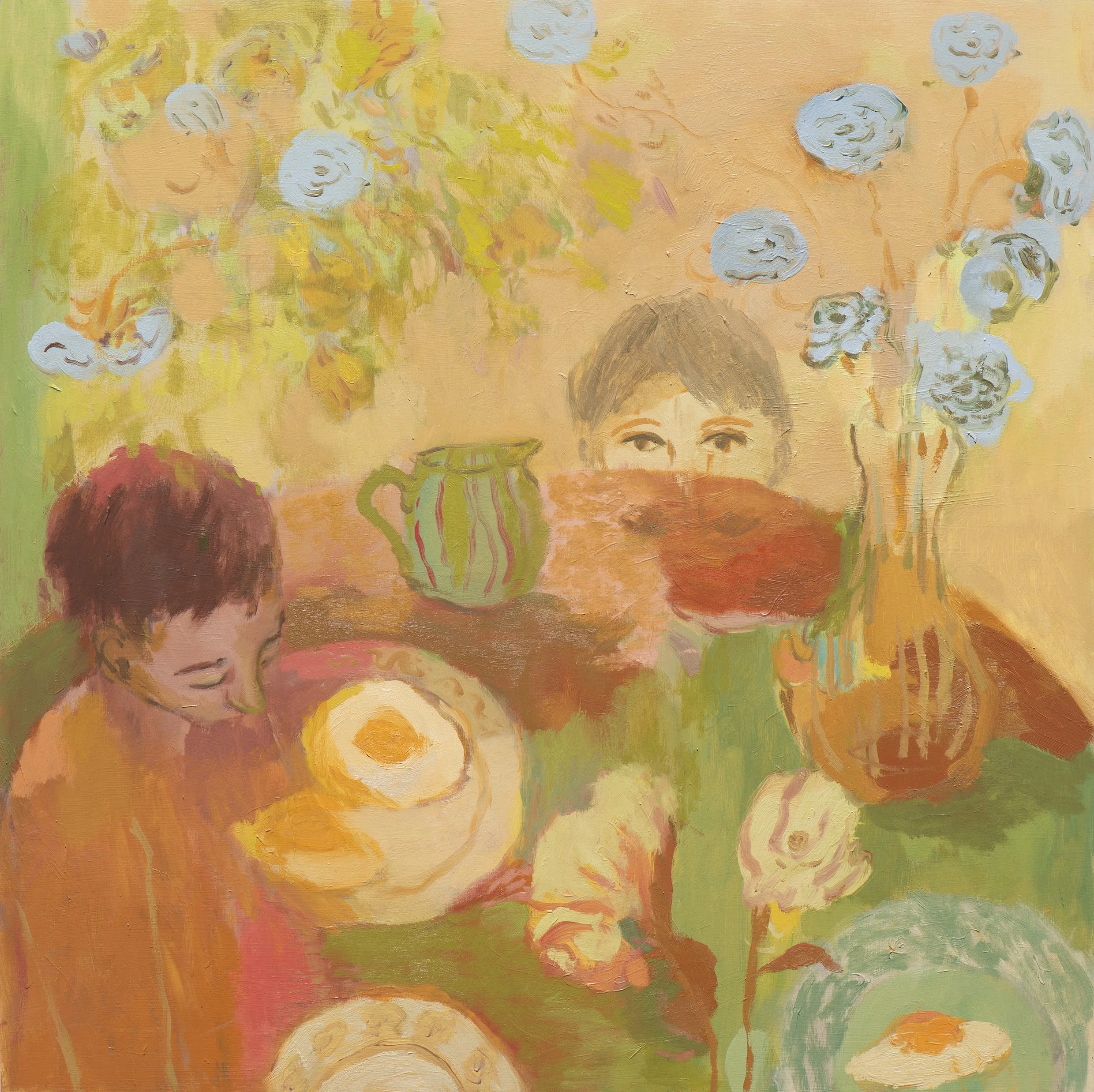
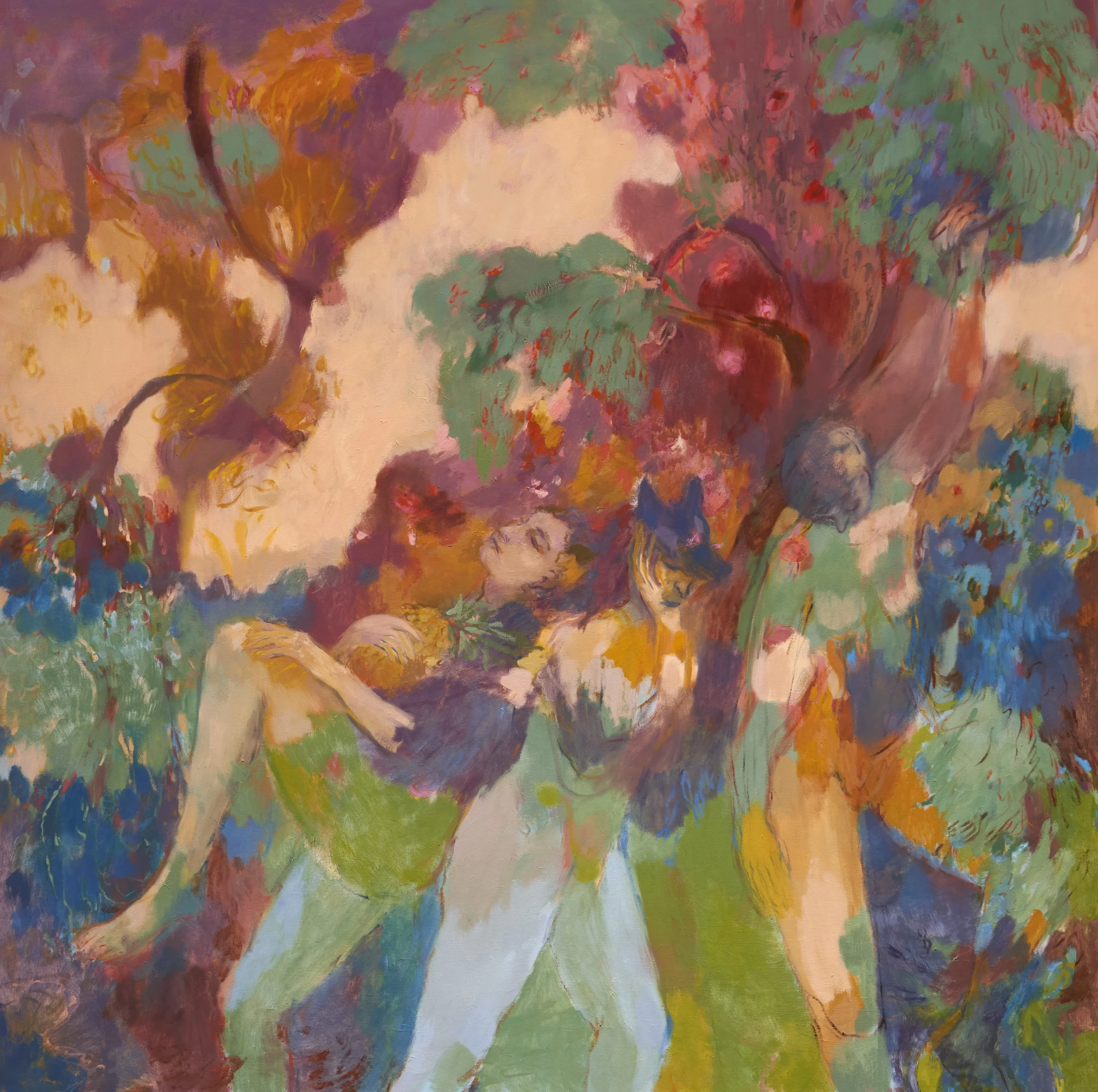
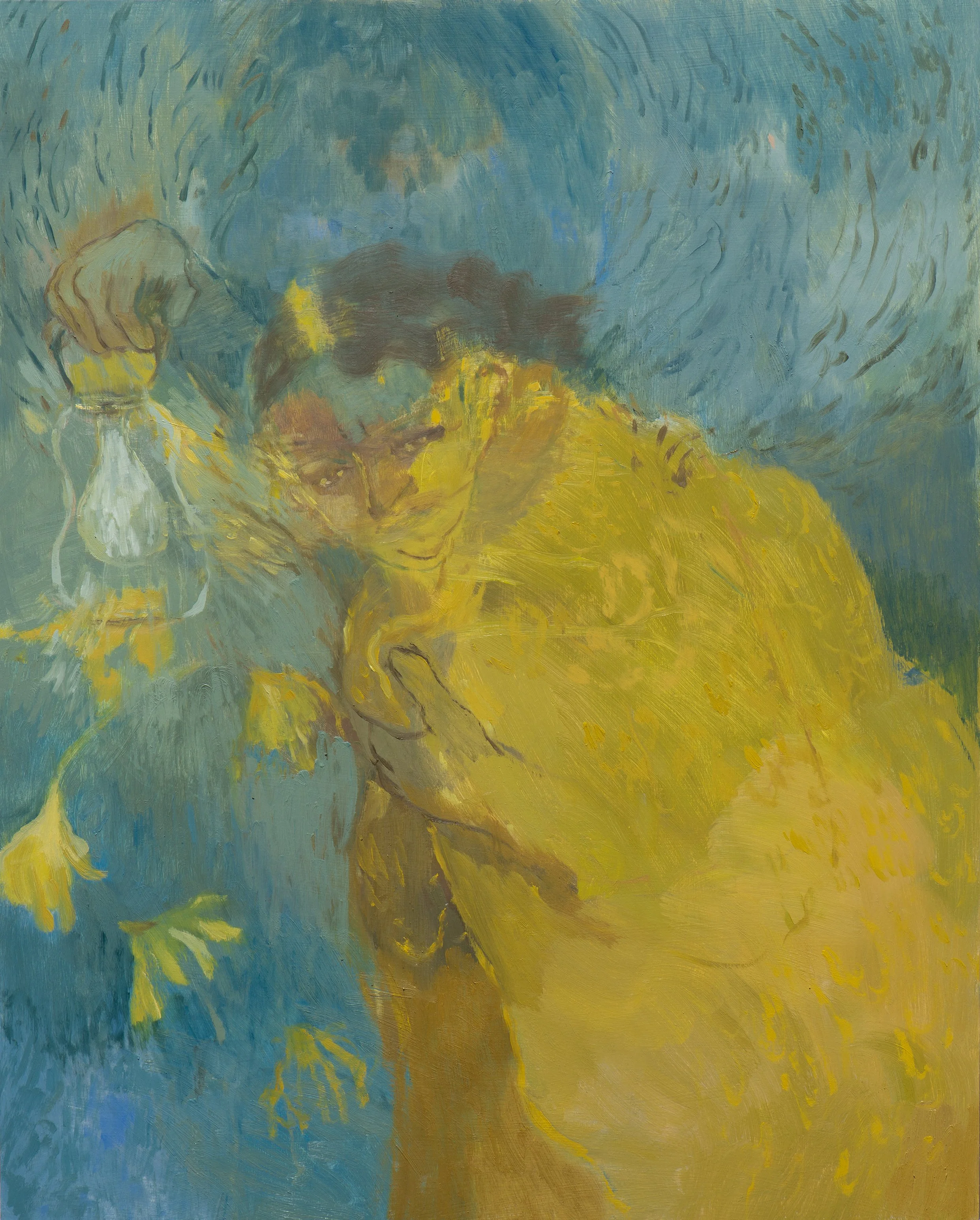
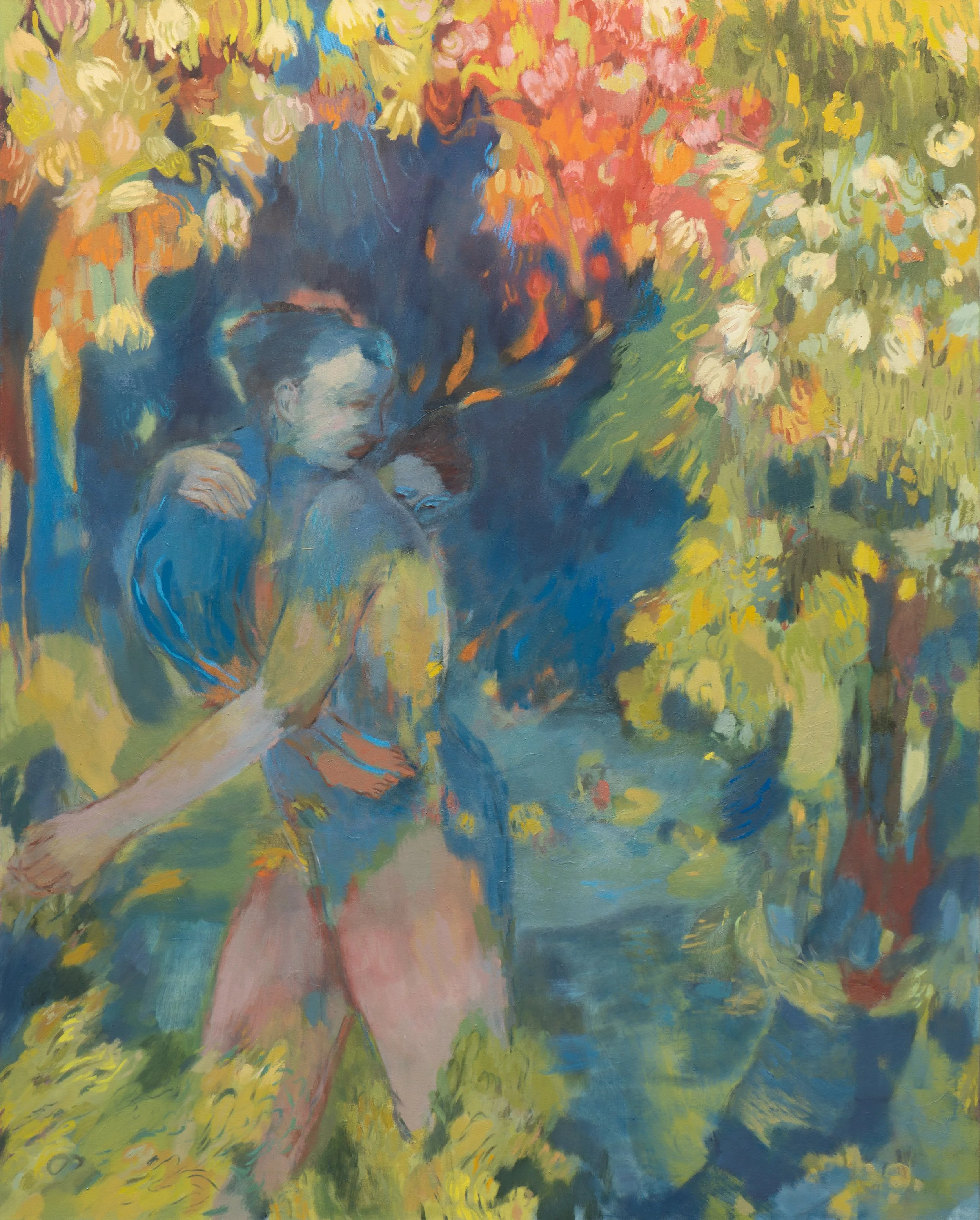
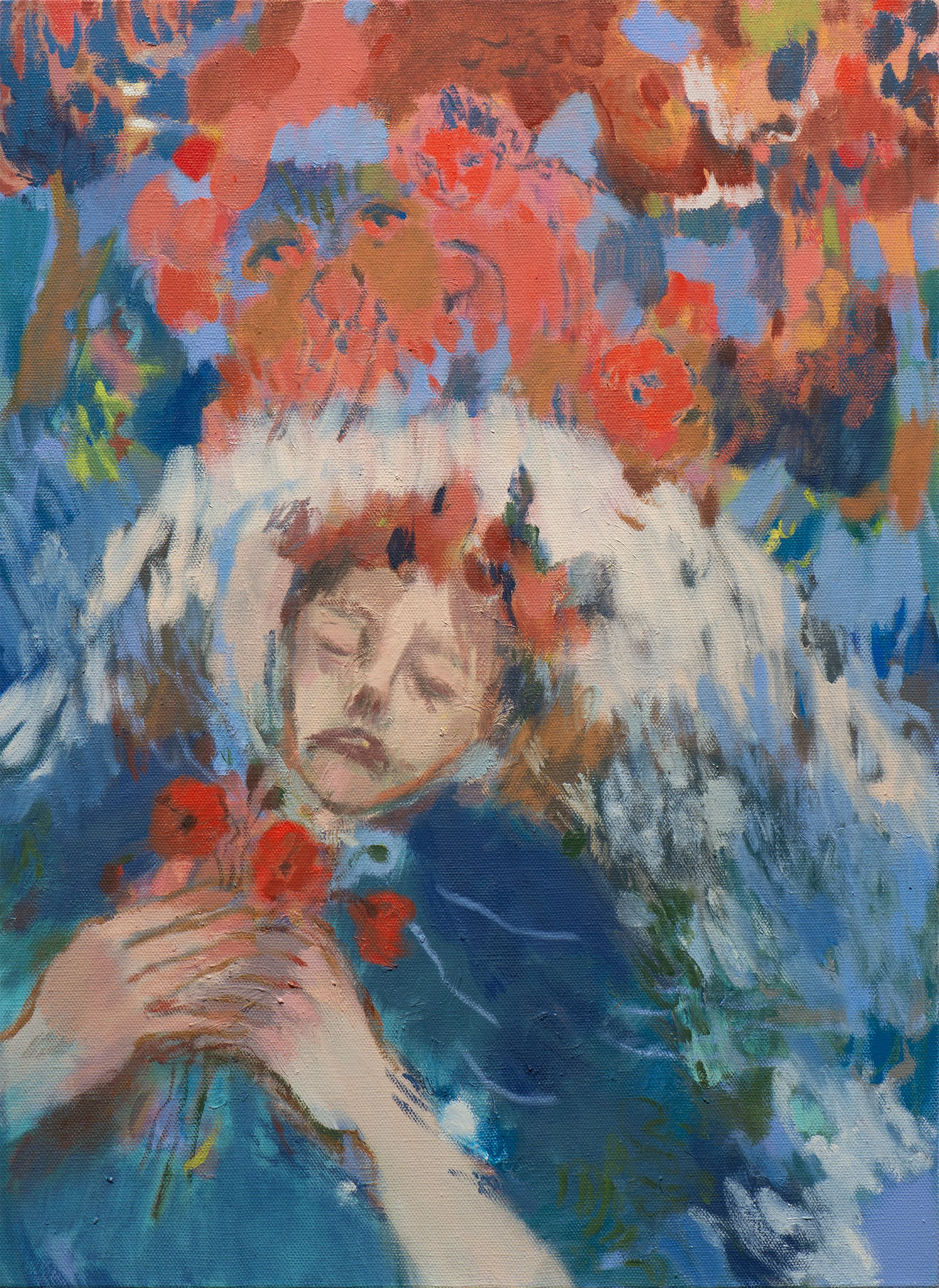
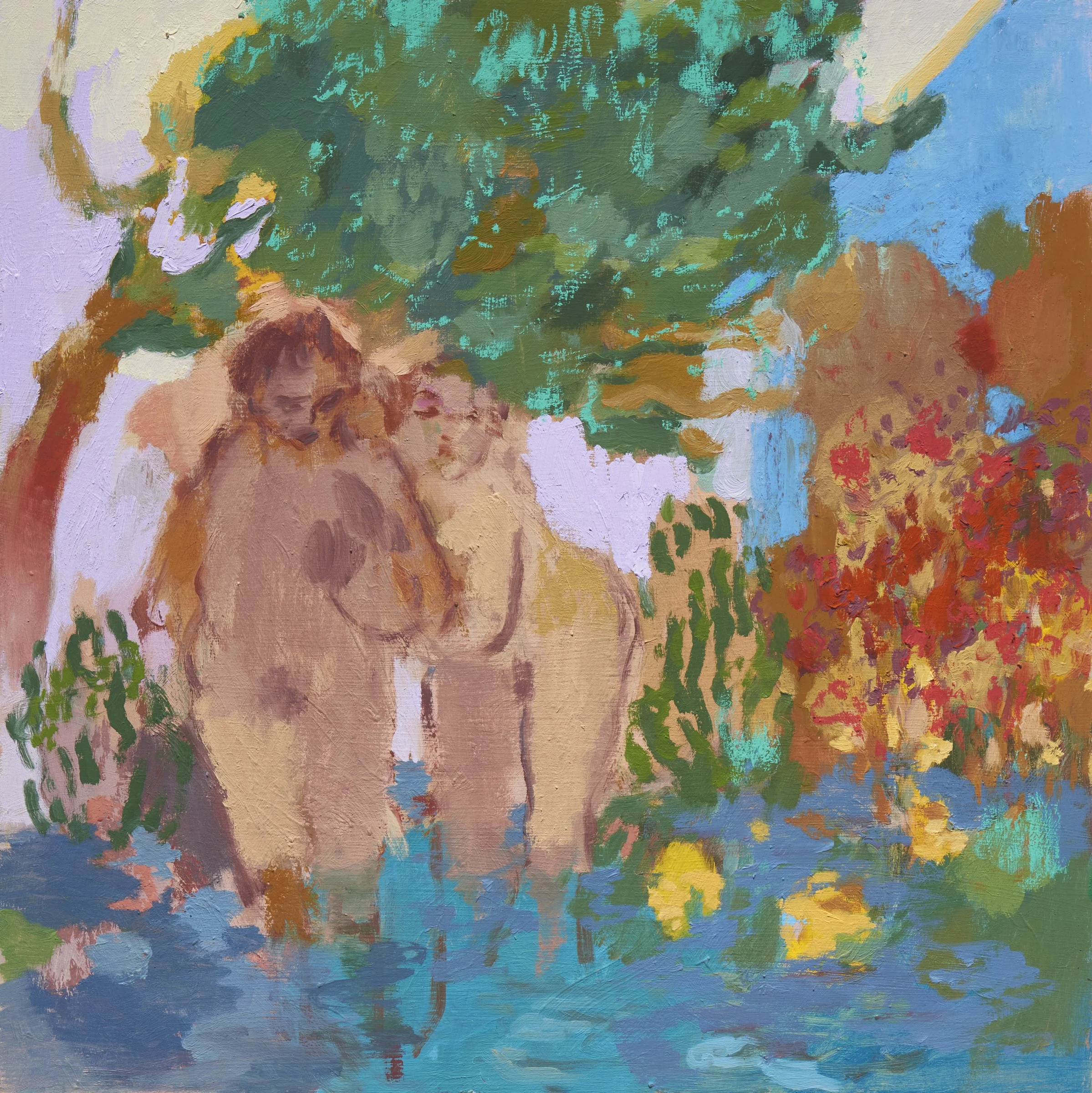
At Abbozzo Gallery this spring, Vanessa McKernan invites us into The Wanderer, a body of work that feels less like a destination and more like a psychic passage. Created over the last eighteen months following a move from Toronto to the Ottawa Valley, these paintings are artifacts of a process that values intuition over ego.
McKernan’s practice is rooted in the archaeology of the canvas. She hand-stretching linen and priming with rabbit skin glue, but her finish is anything but rigid. When a composition becomes too literal, she often performs a destruction phase, rotating the canvas and painting over the majority of the work to let a new, more universal truth emerge from the underlayers.
We spoke with Vanessa about the symbology of the horse, the weight of motherhood, and the imaginative worm holes that spark her hauntingly beautiful compositions.
What draws you to a specific fragment or found image when you begin a new painting?
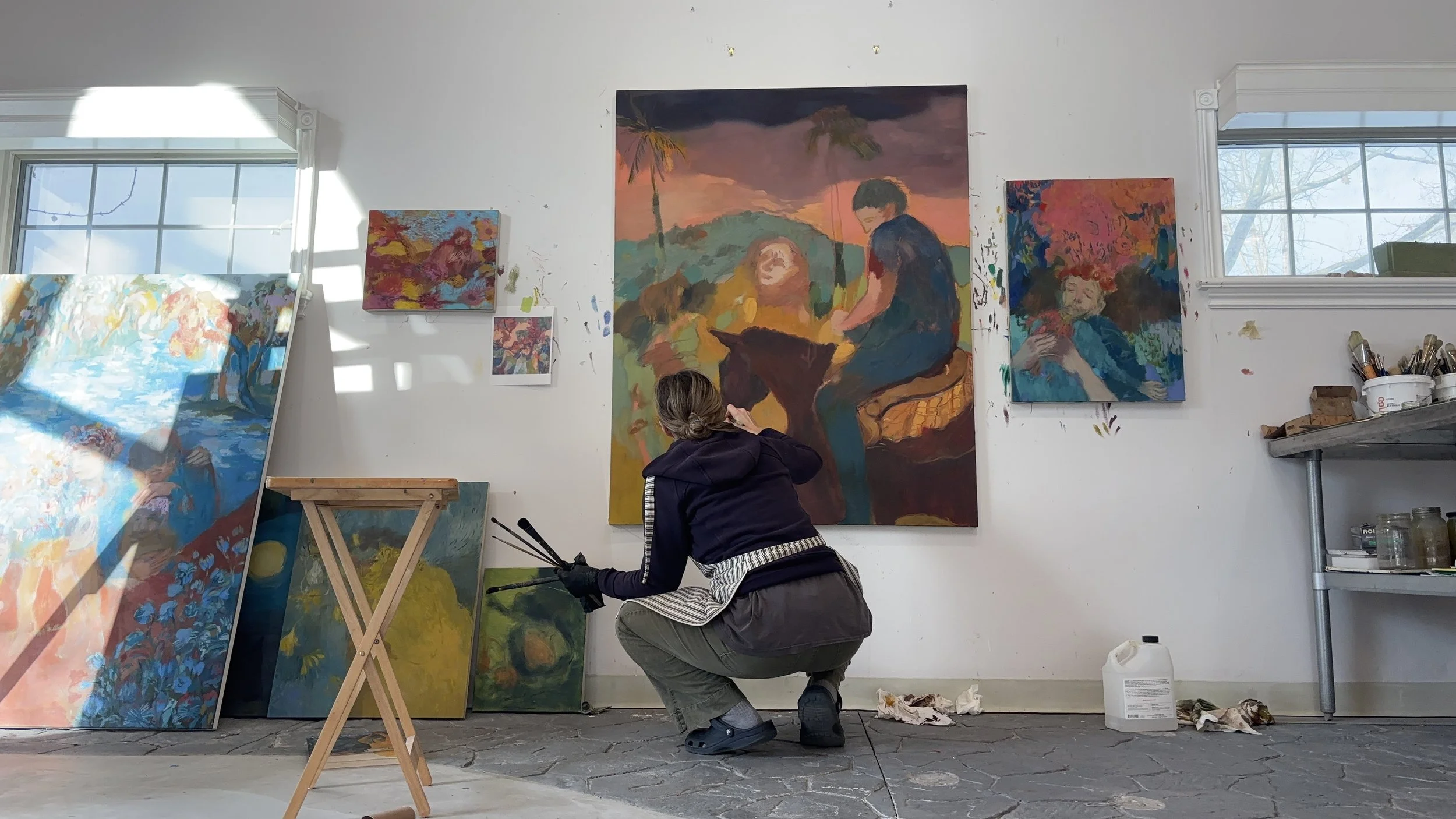
Vanessa McKernan: I am drawn to images and fragments that are able to connect me—almost in an instant—to multiple layers of meaning. I recently made a painting based on a photograph my brother had taken on a horseback riding excursion in Central America. In the foreground of the image was a man he didn’t know and for whatever reason my brother’s camera captured this man as kind of slumped over, riding this horse. I felt the gesture of the man was compelling—a gesture of defeat, juxtaposed with the horse which is this very regal, powerful animal. Then I start thinking about the symbology of a man on a horse, which connects to both mythology and historical acts of war. But then a man on a horse also feels antiquated and so there was this sense of nostalgia. A single image can really take me down an imaginative worm hole and this is the kind of state I like to be in when I start a painting.
Can you describe your creative process from initial concept through layering and completion?
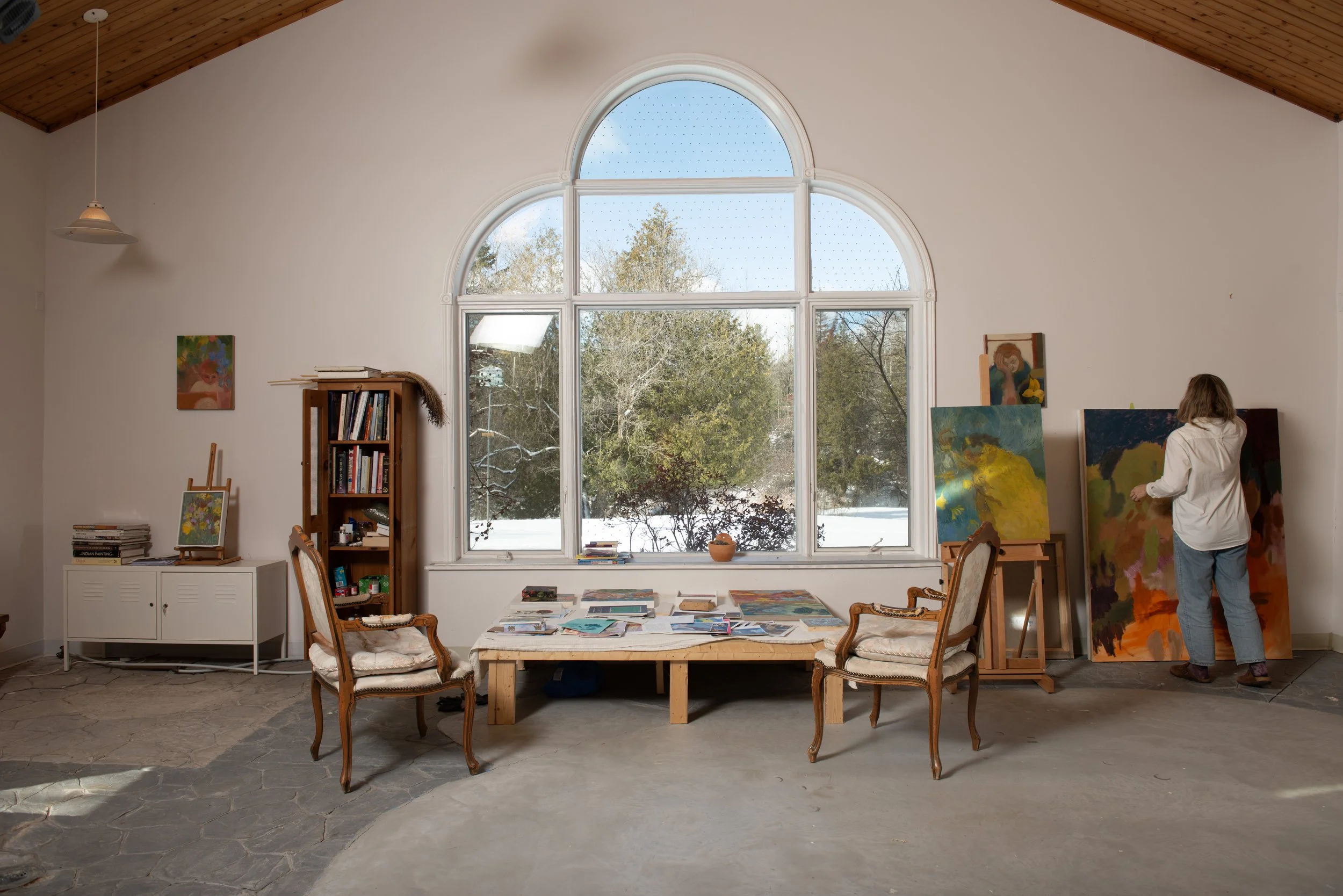
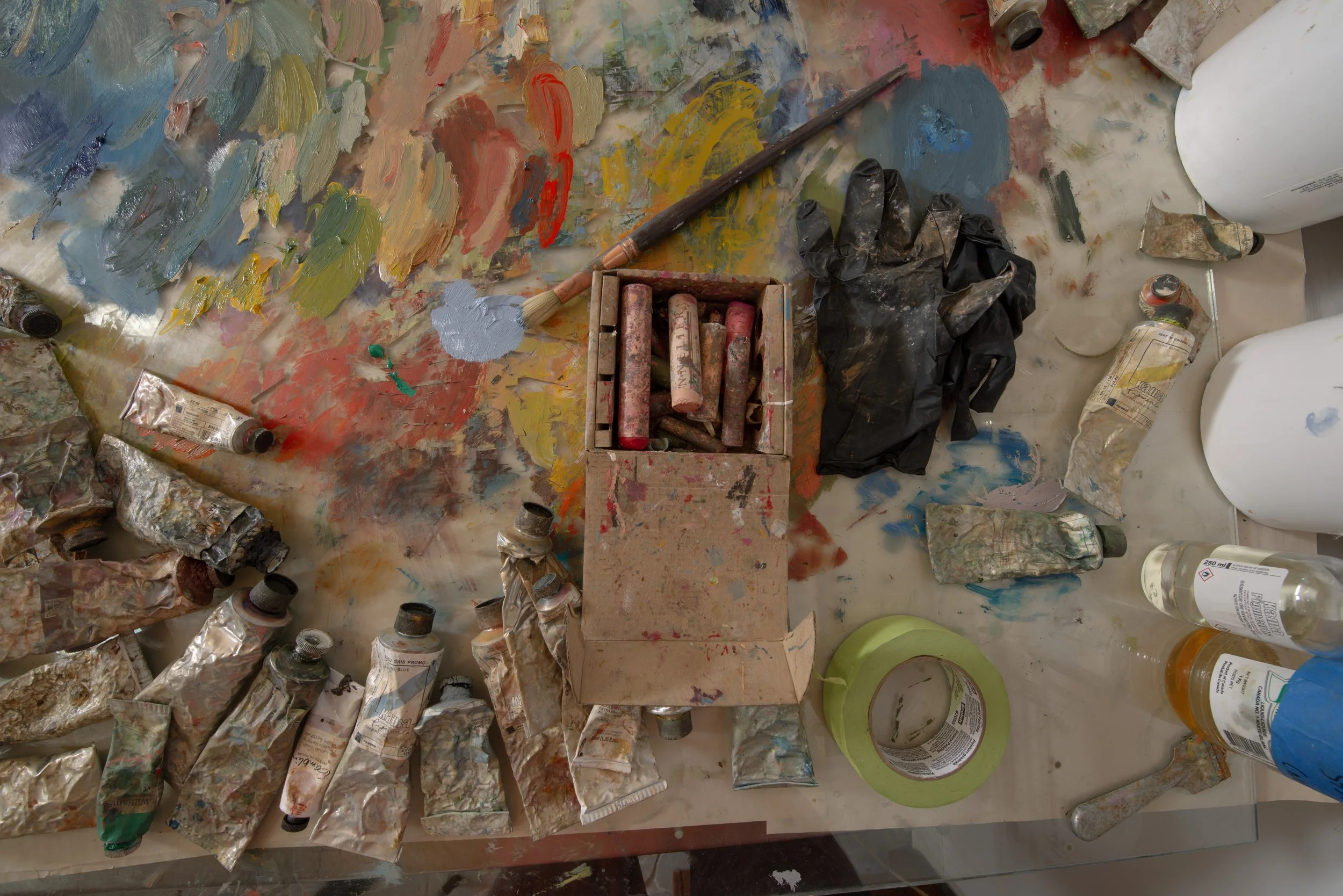
VM: I stretch and prime my own canvas and linen in the traditional method, using rabbit skin glue and 2 layers of oil-based primer. This process is slow with a lot of drying time. I don’t like working on a white surface, so next I tone the canvas with washes of burnt umber, yellow ochre or paynes gray. These are layers of oil paint thinned out with Gamasol.
I work intuitively and often from imagination so sometimes I will pull a figure or a scene out of those initial sketchy layers, drawing with a thin round brush or an oil pastel. In this phase I will also add references which could be an attempt to sketch out a dream I had or something more literal like sketching from a found image or historical work of art.
Because oils don’t dry quickly, I can draw and wipe areas out, exchanging in a kind of back and forth with the composition until something interesting emerges. I view this phase as a conversation—a dynamic exchange that allows the painting to reveal itself to me—often more than me being the “creator”, dictating all of the terms.
In the subsequent layers the composition becomes more fixed and I am working out the color palette. My approach to color is intuitive and I reach for whatever feels right on a given day.
Quite often I overwork my paintings. The subjects get too literal and defined. I often remedy this with a kind of destruction phase where I will turn the canvas upside down and paint over 60-90% of my original composition. Some of my canvases, especially the larger ones, have 2-3 totally different compositions in the underlayers.
How does being a mother of four two inform the themes of cycles, rebirth, and mothering in your work?
VM: Shortly after I had my second son Raphaël, my maternal grandmother died. So, I had these overlapping experiences of birth and death which put me in touch with my own mortality in a new way. I also started thinking about the cycles of death and rebirth that happen in the psyche of the woman who becomes a mother, how parts of us die, and new parts are born. I am still figuring out how the motherhood theme fits into my work, or even if it is a theme I want to emphasis... Maybe because I am still figuring out how mothering fits into my life! I don’t have a solid answer to this yet.
How has your recent move to the Ottawa Valley countryside influenced your work?
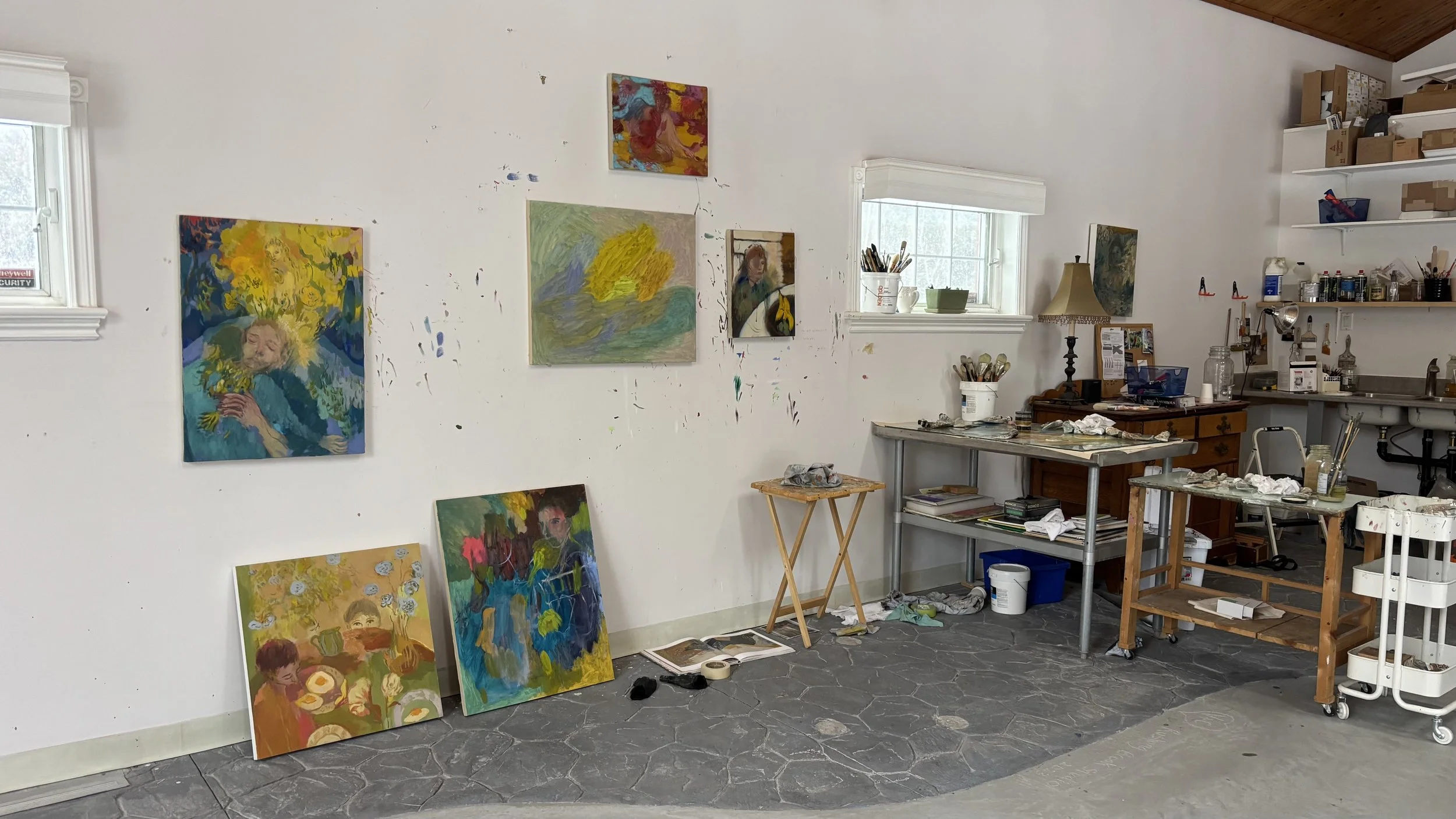
VM: I moved here from downtown Toronto, so it is a completely different visual and soundscape. I live on two acres, bordered on one side by a creek and a small forest. There is lots of wildlife and I have started gardening, growing mainly vegetables and flowers.
I think the move has allowed me to go deeper into many of the themes I was already exploring in my work. Part of that is the simple fact of having more space, and a bigger studio, but it is also the way confrontations with nature force reflection. I am also starting to see the garden as an extension of the studio, it’s like a living moving composition that I get to work with.
Which artists or artistic movements have been most influential in shaping your practice?
VM: I feel like I have seasons of influence, periods of months or years where I obsess over a particular artist or period and then move on to another. In the past 5 years or so, I spent a lot of time with the work of Gauguin and Bonnard who both used color in such interesting ways. Most recently I am looking at Edvard Munch’s oeuvre, in particular his sickbed/ deathbed paintings. He is an economical painter and can say so much with so little. I am also influenced by artists outside of the visual arts. I read a lot of literary fiction and love contemporary dance and theatre.
What advice would you give to emerging artists trying to develop their own distinctive voice and practice?
VM: 1. It takes time and isn’t something that can be rushed, so try to be patient with yourself.
Schedule your studio/ artmaking time (phone free!) and commit to it. Don’t wait for inspiration.
Be careful of external validation. You don’t have to share or show everything you make. Too much of an audience or too many opinions in the beginning (even if they are positive) can push your practice in the wrong direction.
Vanessa McKernan: The Wanderer is on view at Abbozzo Gallery, Toronto, from April 11 to May 2, 2026.