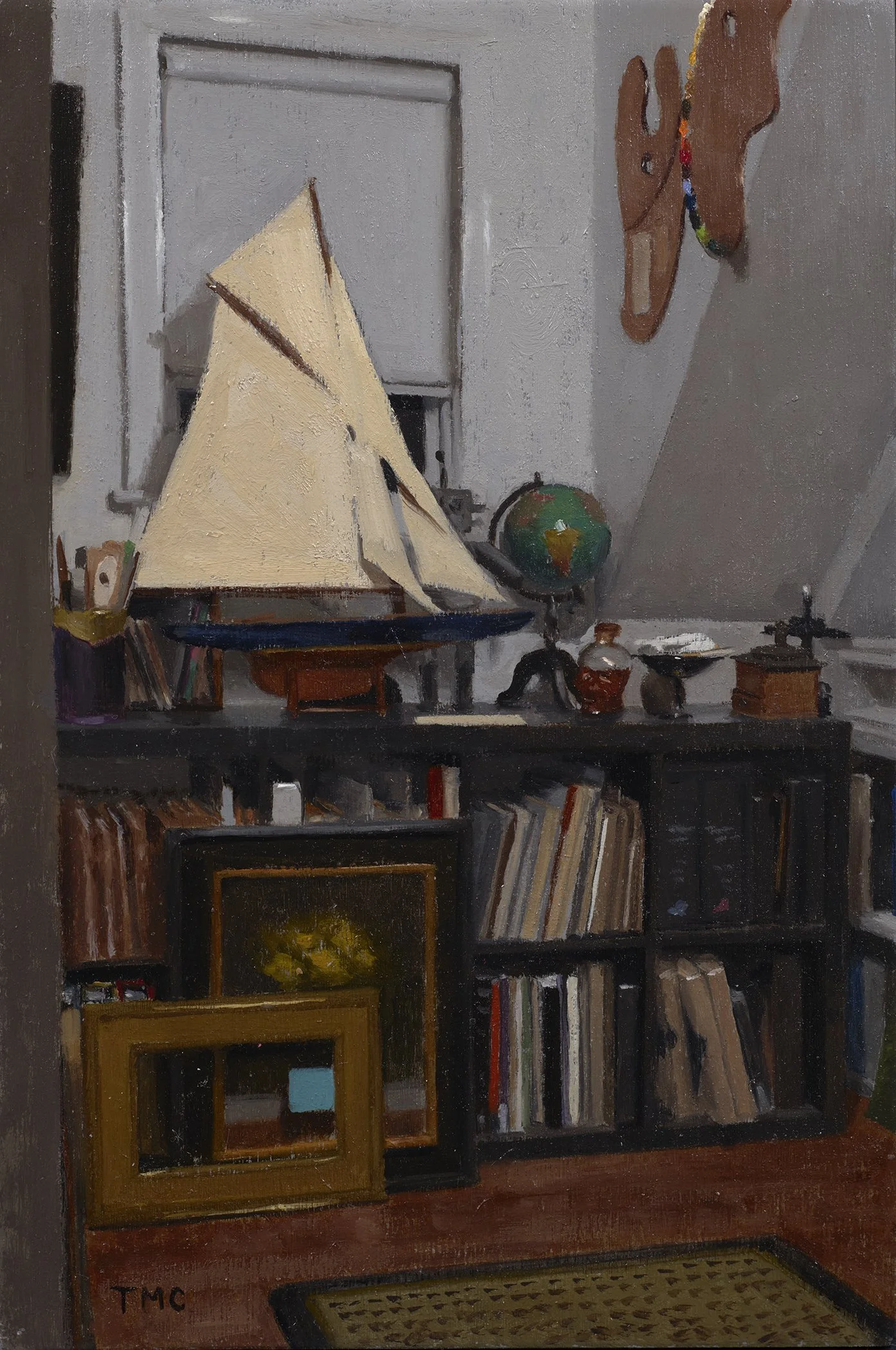
Todd M. Casey on Craft, Curiosity, and Building a Sustainable Painting Practice

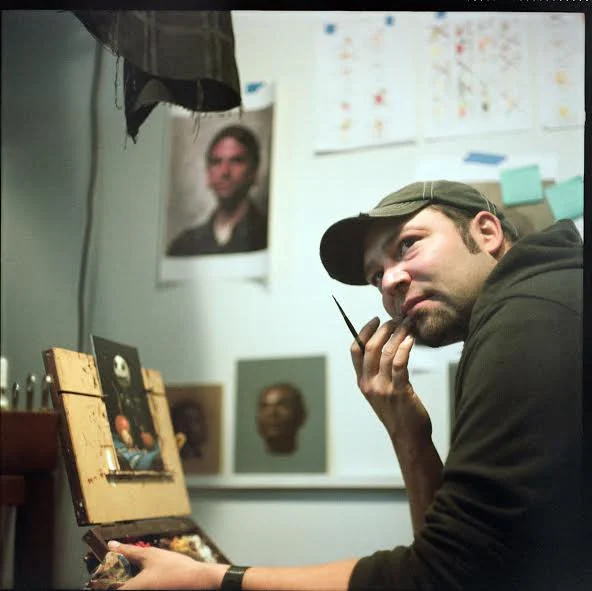
In this episode of the Create! Podcast, I sat down with artist, author, and educator Todd M. Casey for a thoughtful conversation about painting, education, and what it truly takes to build a meaningful creative life over time.
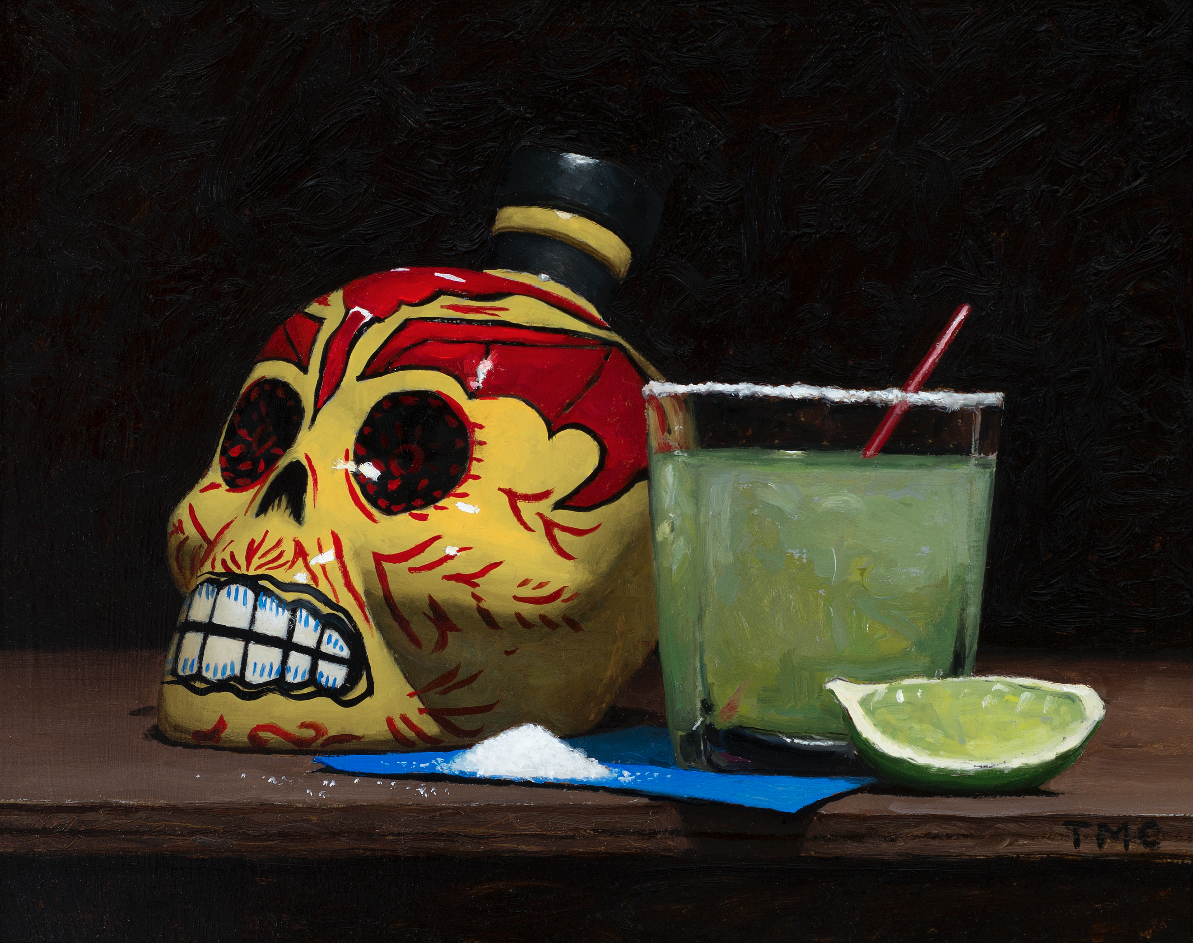
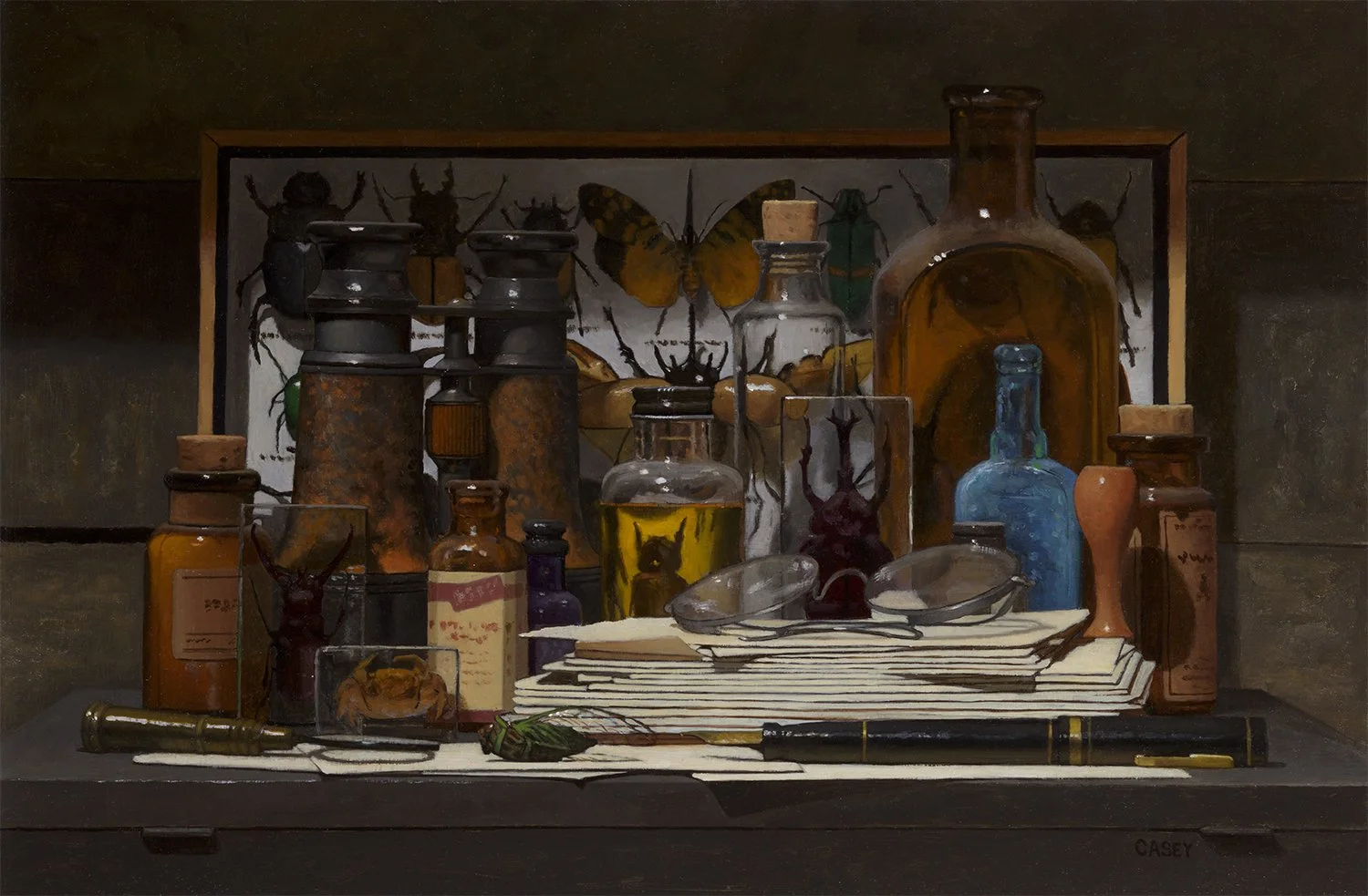
Todd’s work is often associated with classical realism, but as he shares in our conversation, his practice is far more expansive. Drawing from animation, illustration, photography, and design, his approach is rooted in curiosity, discipline, and a deep respect for craft. Rather than chasing trends or algorithms, Todd has built a career centered on learning, teaching, and staying connected to the joy of making.
From Art School to Atelier Training
Todd reflects on his early years growing up in Massachusetts, studying at MassArt, and later realizing that while art school offered valuable experiences, it left significant gaps in technical training. Like many artists, he found himself searching for deeper guidance and a clearer path forward.
That search eventually led him to the atelier system in New York City, where studying under Jacob Collins at the Water Street Atelier transformed his understanding of painting. For Todd, the difference was structure, demonstration, and mentorship. Instead of being told simply to “paint more,” he learned how to see, analyze, and solve visual problems through a shared studio environment.
He speaks candidly about the importance of foundations and why strong technique gives artists freedom rather than limitation.
What Art Education Often Misses
One of the central themes of our conversation is the state of contemporary art education. Todd uses clear, relatable metaphors to describe what he sees as a common issue: students are often encouraged to focus on expression before learning the language of painting.
Just as writers benefit from grammar before poetry, or musicians from scales before improvisation, painters need tools before abstraction. Todd emphasizes that expression and experimentation matter deeply, but they become far more powerful when built on solid fundamentals.
This perspective resonates with many artists who feel they had to seek out additional education, workshops, or mentors long after graduating.
Mentorship, Process, and Learning the Middle
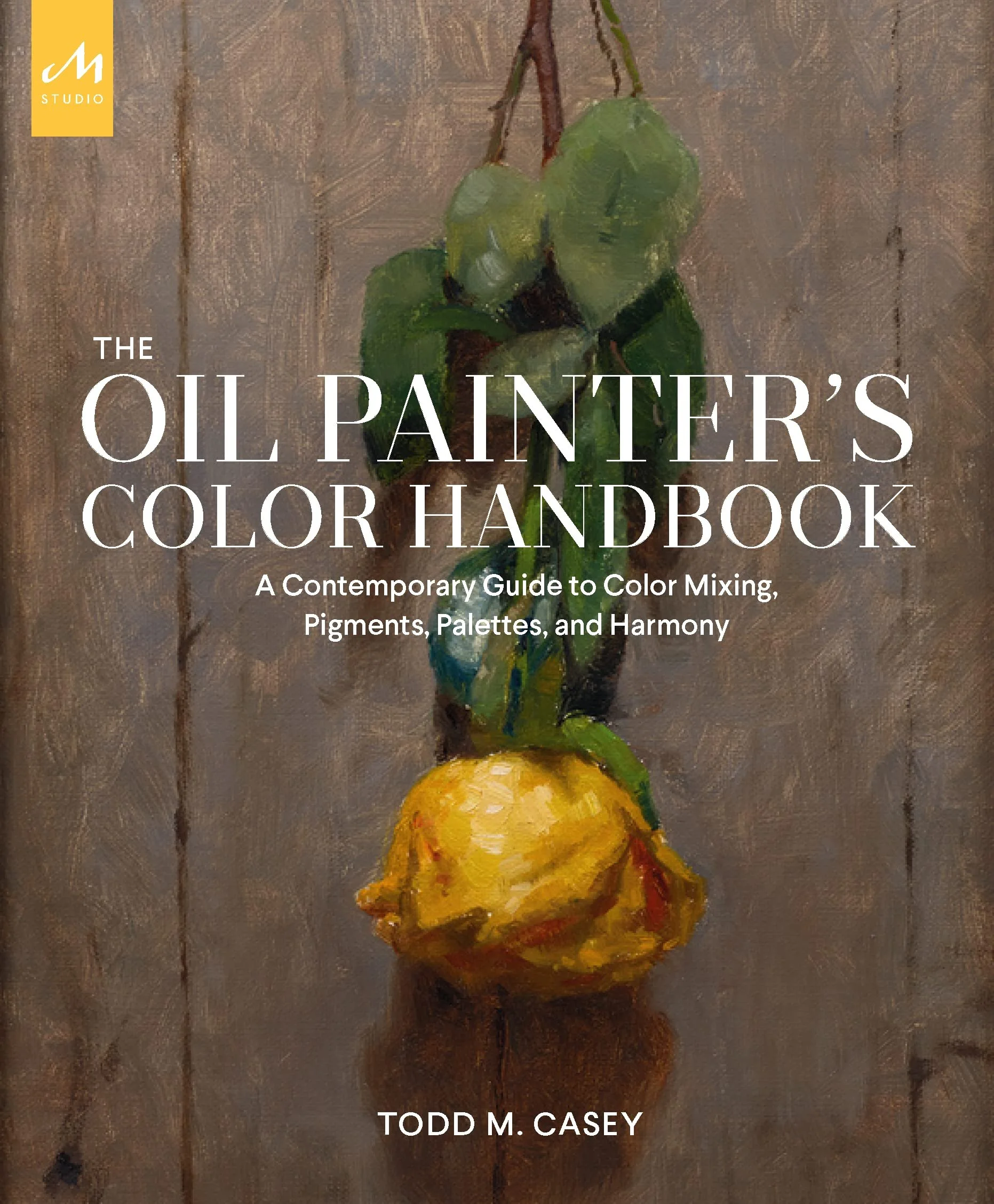
Todd’s books, The Art of Still Life and The Oil Painters’ Color Handbook, were born from this exact gap. He noticed that artists wanted to see the middle of the process, not just finished works. They wanted to understand decision-making, color relationships, and problem-solving in real time.
He encourages artists to seek one primary guide at a time, especially early on. Too many voices can create confusion and stall growth. Once a strong foundation is established, contrasts and multiple approaches can enrich the work rather than derail it.
Social Media, Boundaries, and Creative Integrity
We also dive into the complicated relationship artists have with social media. While acknowledging its value for visibility and connection, Todd is clear about its cost. Time, energy, and attention are finite resources.
Rather than creating content for engagement alone, he chooses to share process and education as a form of giving back. He encourages artists to be mindful of the treadmill effect and to check in regularly with their motivations. Visibility should serve the work, not replace it.
One of the most grounding moments of the conversation is Todd’s reminder that having fewer, genuinely interested followers is often far more meaningful than chasing large numbers.
Staying Curious and Letting Work Evolve
Todd describes his creative process as one of constant awareness. Inspiration comes from daily life, teaching, observing light, and even moments shared with his daughter. He carries a sketchbook, takes notes, and allows interests outside of painting to inform his work.
He also speaks honestly about the danger of being labeled too narrowly. When certain subjects or styles gain commercial traction, artists may feel pressure to repeat themselves endlessly. Todd’s solution is conscious pivoting and diversification, allowing space for growth without abandoning what works.
A Conversation for Artists at Any Stage
This episode is a reminder that there is no single path to a fulfilling art career. It is shaped by curiosity, discipline, self-awareness, and the willingness to reassess when something no longer feels aligned.
Todd M. Casey brings clarity, generosity, and lived experience to a conversation that will resonate with painters, educators, and creatives navigating a noisy and demanding landscape.
You can listen to the full episode on the Create! Podcast and explore more conversations like this by subscribing to our newsletter on Substack at createmagazine.substack.com.