

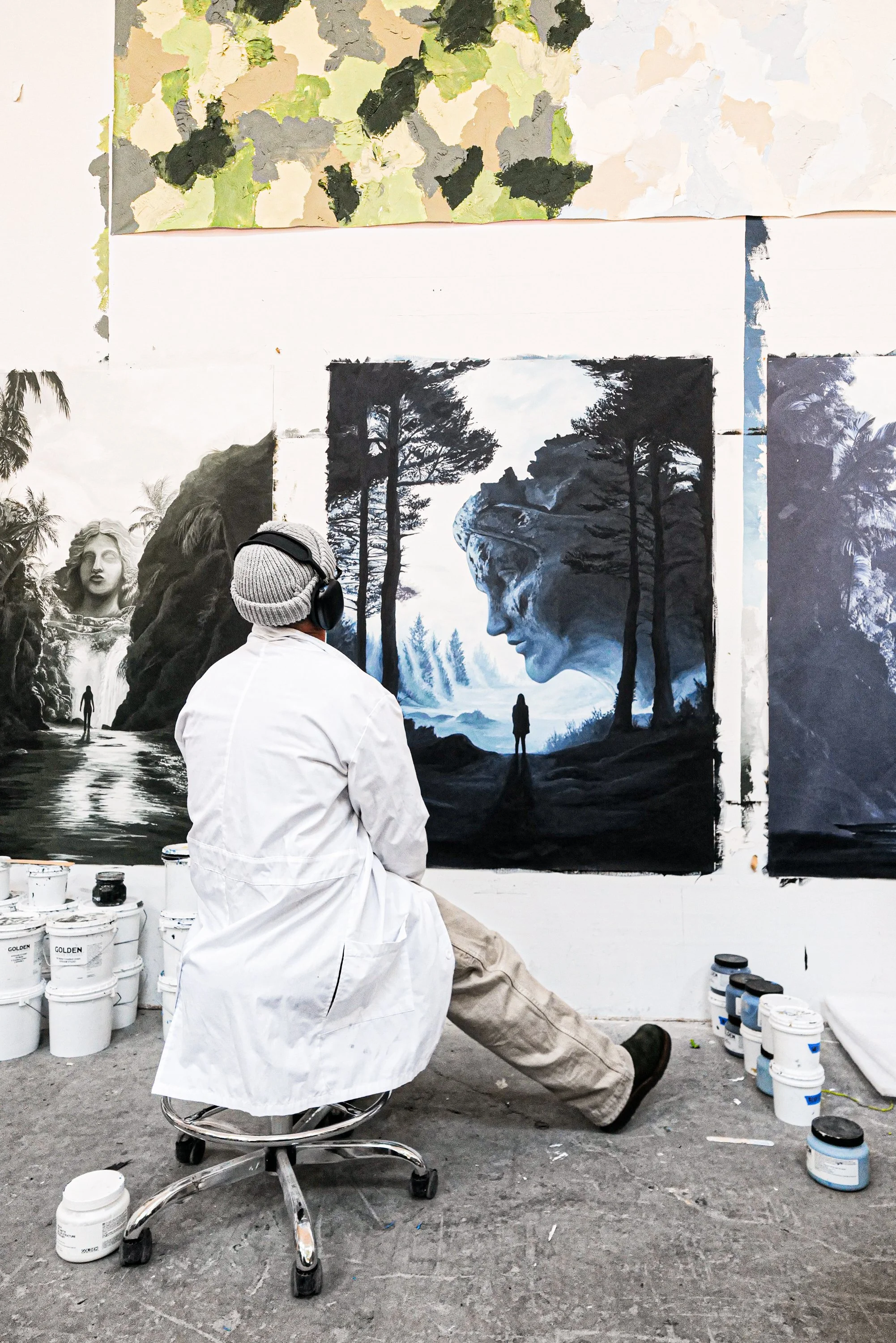
By Ekaterina Popova | The Create! Podcast
If you've ever felt like the art world is a locked room and nobody will give you the key, this episode is for you.
Daniel Arsham didn't wait for an invitation. He got a house in Miami, gutted the first floor, built his own gallery at 21, and spent the next four years doing everything he could to get in front of the right people - until Galerie Perrotin in Paris finally said yes. Today, his work is in major museum collections worldwide, and he has collaborated with Dior, Adidas, Pharrell Williams, and the Cleveland Cavaliers, among others.
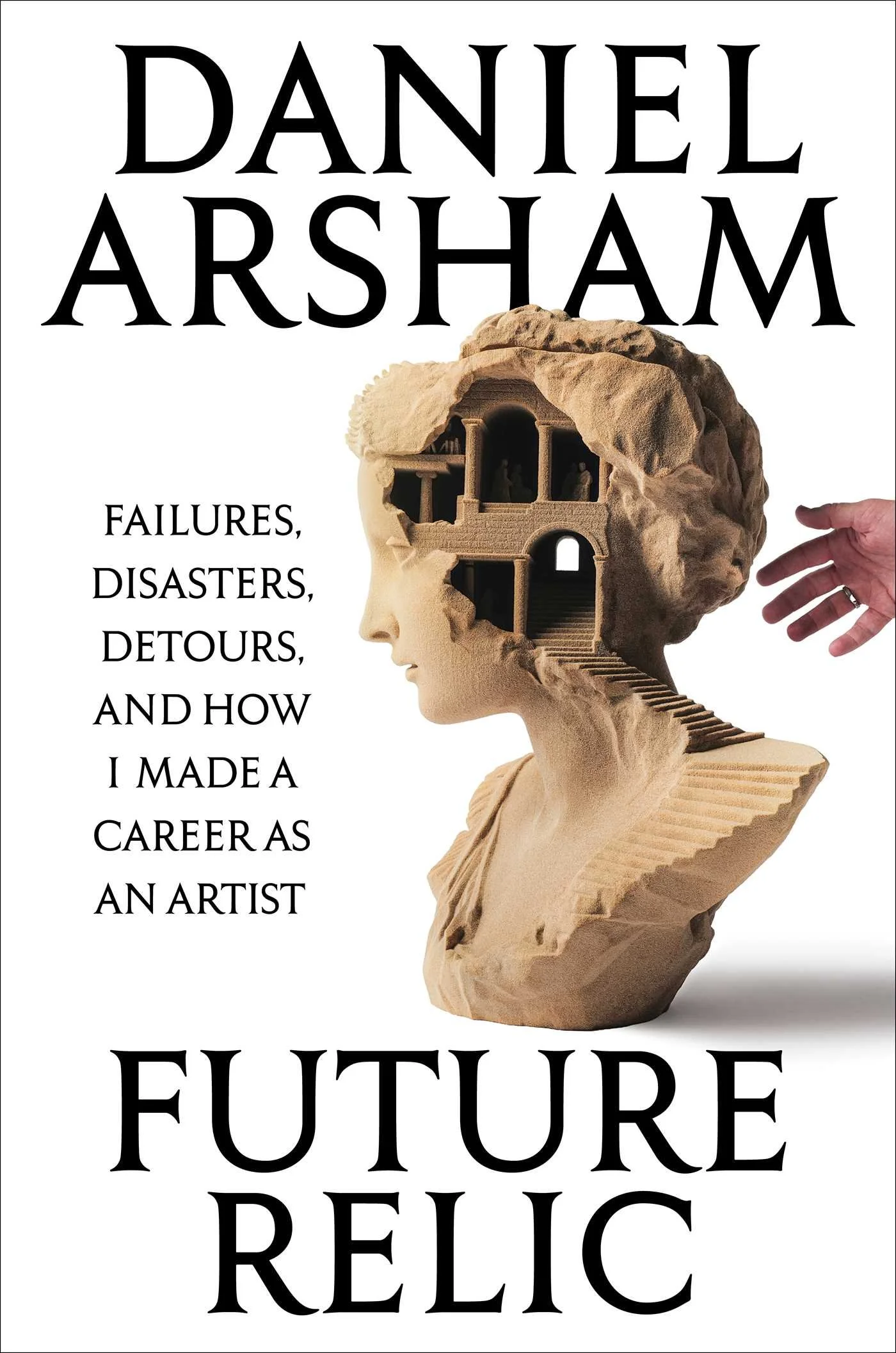
In this conversation on The Create! Podcast, Daniel joins Ekaterina Popova to talk about his brand new book Future Relic- a brutally honest, practical handbook written for the 17-year-old version of himself who dreamed of being an Artist with a capital A but had no idea how to make it happen.
This is one you'll want to save, share, and come back to.
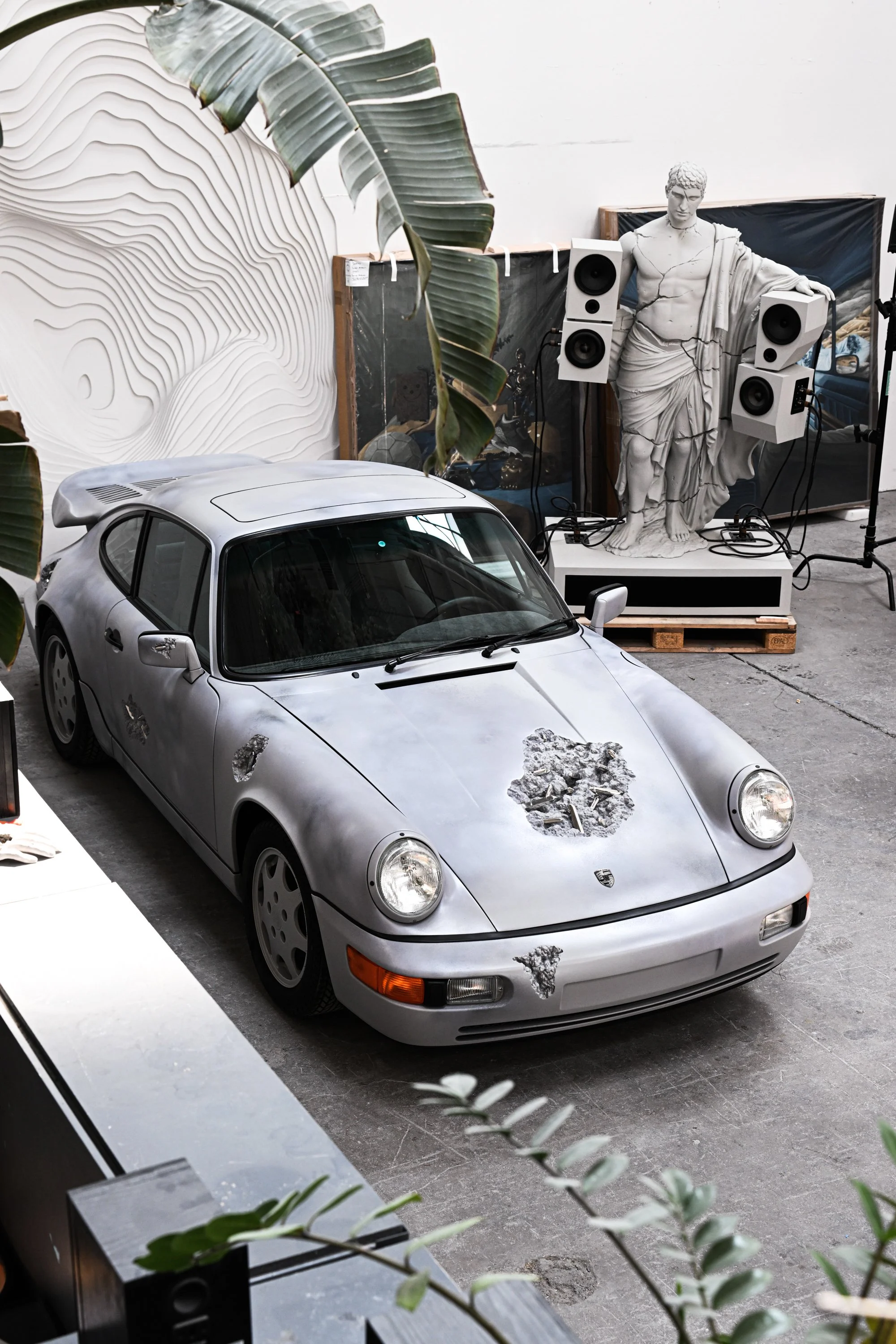
What Art School Doesn't Teach You
Daniel studied at Cooper Union, one of the most prestigious art schools in the world. He learned how to make work. He learned how to think. But when he graduated, he found himself completely unprepared for the actual mechanics of building a career.
"I learned virtually nothing about how to apply those things to a career, how to build a life within that," he shares. "How do I get a gallery? How do you get introduced to collectors? How do you build a following for your work? All of that had to be invented by me on the fly."
This gap between art education and art career is something so many artists experience - and it's a big part of why he wrote Future Relic.
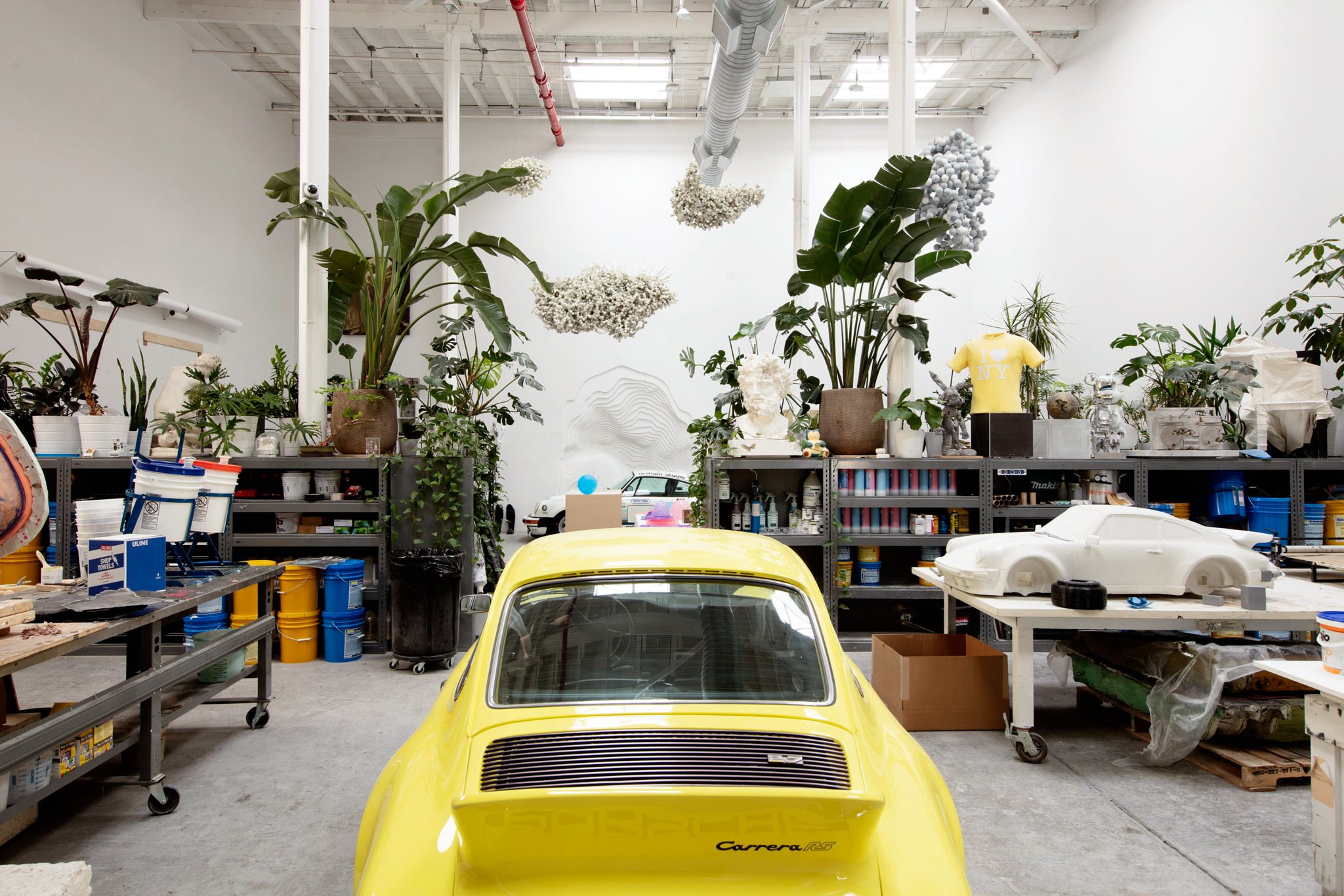
Creating Your Own Opportunities
When Daniel couldn't get gallery representation straight out of school, he didn't spiral. He built his own gallery.
The House, as it was called, was literally constructed inside a Miami home - walls gutted, floors redone, transformed into a white box exhibition space. And it happened to open right as Art Basel Miami was gaining momentum, which put him in front of people he never would have met otherwise - including Emmanuel Perrotin.
"At the time, that felt like the biggest risk that I could take," Daniel says.
This is something Ekaterina talks about constantly in the Create! community: creating your own opportunities is often the most powerful way to attract attention to your work. Daniel is proof of that. He didn't ask permission. He built the room and invited people in.
The Four-Year Journey to Perrotin
Meeting Emmanuel Perrotin didn't instantly lead to representation. Daniel was 21 when they first connected. It took another four years of showing up, staying present, and proving himself before the gallery said yes.
And once they did, Emmanuel became something unexpected - a mentor who pumped the brakes when Daniel's ambition ran ahead of his readiness. At 27, Daniel wanted a solo show in New York. Emmanuel said not yet.
"We're going to allow your work to grow over time. We're going to allow you to make mistakes. We're going to allow you to fail - and do that in a way that's going to increase not only the ideas and thought process behind your work, but also the intrinsic value in it."
Restraint, it turns out, is a career strategy.
On Brand Collaborations and "Selling Out"
Daniel was still effectively broke in his late twenties - represented by one of the most prestigious galleries in the world, work in major collections, and still struggling financially. His solution? Strategic brand collaborations.
When he first partnered with Adidas around 2013-2014, some collectors and even his own gallery were skeptical. But Daniel reframed the entire thing: he wasn't letting a brand use his work to sell sneakers. He was using their resources to fund a sculptural process he wanted to develop.
"The other aspect that I didn't initially realize, but that became such an interesting part of working with brands in that way, is that it reaches people that are not part of the art world, that are not looking to find art. And I think some of the most impactful places that you can show work is in places where people don't expect to see art."
If you've ever wrestled with the "selling out" question, this perspective is a game-changer.
Nobody Remembers Your Failures - So Collect Them
This might be the most liberating idea in the entire conversation.
Daniel talks about failure as something to actively pursue - not just tolerate. The more failures you collect, the higher your odds of success. It's simple math.
"Nobody remembers the failures. They failed for a reason, and they kind of disappear. So collect those failures, be willing to actually push towards them."
The works that didn't land stay in his studio. Some get returned to years later. One concept that was rejected for a major New York exhibition resurfaced a decade later in a high-profile project outside the traditional art world. Nothing is wasted. Nothing is final.
Walking Into Rooms Where You Don't Belong
Imposter syndrome doesn't go away, even at Daniel Arsham's level. He's done talks in front of a thousand people and still has to convince himself he's supposed to be there.
His advice? Fake the confidence until it carries you through.
"There's nobody in that room that is not feeling a similar feeling, that is totally confident in the way that they enter the room. It doesn't necessarily get any easier - you have to trick yourself into believing enough that you can push through that moment."
Make the work you want to see exist in the world. Trust that other people will connect with it too. And walk in the room anyway.
The Power of Writing It Down
One of the simplest and most effective practices Daniel shares is also one of the oldest: write down your goals. Specifically.
Not "I want to be an artist." Where do you want to show? What kind of work do you want to make? What does your life actually look like?
"If you can't really see the end goal, I think you need to be ultra specific about those things. There's an honesty about that with yourself."
Vague dreams stay dreams. Specific ones become plans.
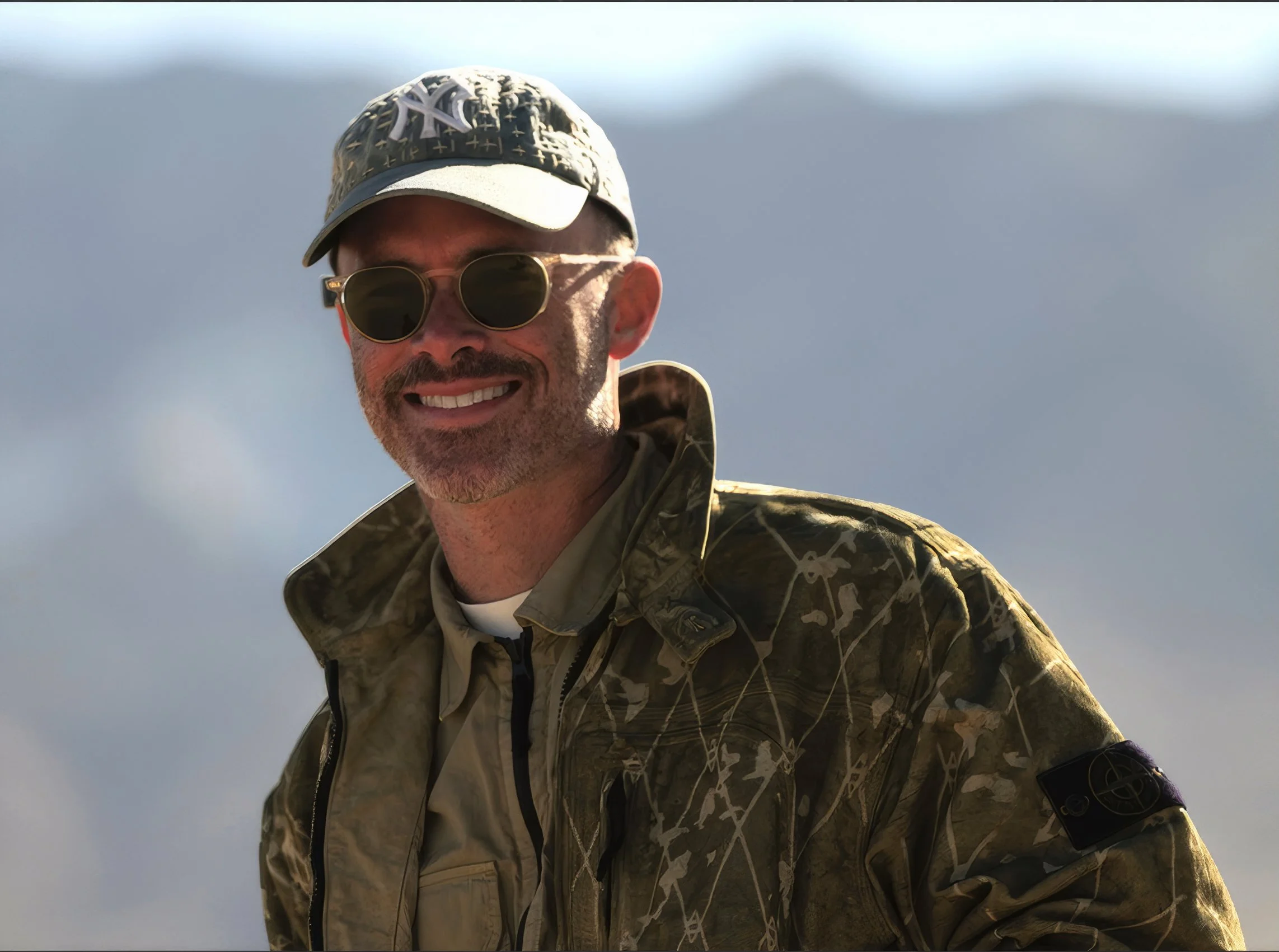
About the Book: Future Relic
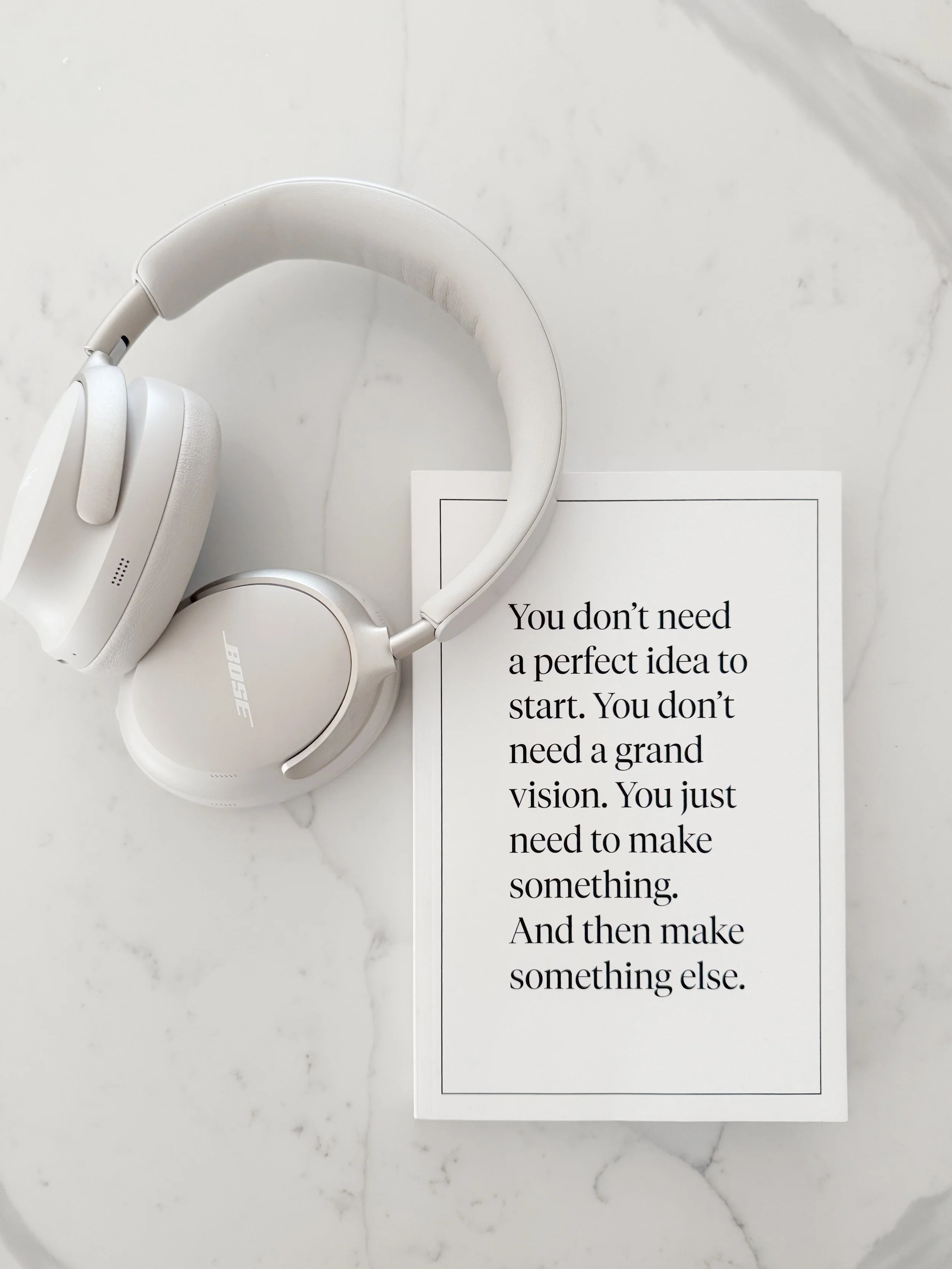
Future Relic was written during the 2020 pandemic lockdown, dictated almost entirely through voice notes. It's a handbook for anyone pursuing a creative career - honest, practical, and full of the behind-the-scenes stories most artists never share publicly.
Daniel covers everything from getting gallery representation without connections, to running a creative business, to the financial frameworks that took him from solo artist to a studio team of over 20 people.
It was written for the 17-year-old version of himself. But it's for all of us.
Get your copy of Future Relic here.
Daniel Arsham's exhibition "Various Thoughts" opens March 5th at Galerie Perrotin New York.
Listen to the Full Episode
Catch the full conversation with Daniel Arsham on The Create! Podcast - available on iTunes, Spotify, and wherever you listen.
Ekaterina Popova is an artist, the founder and editor-in-chief of Create! Magazine and host of The Create! Podcast.