When Art Meets Craft: A Conversation with Lisa Solomon

If you've ever wondered when it's "okay" to call yourself an artist, or felt the tension between experimenting freely and actually finishing a body of work, this episode is for you. I sat down with multidisciplinary artist, educator, and author Lisa Solomon for one of those conversations that just flows - the kind where you look up and realize you've covered everything from art history to budgeting to why purple is so hard to paint.
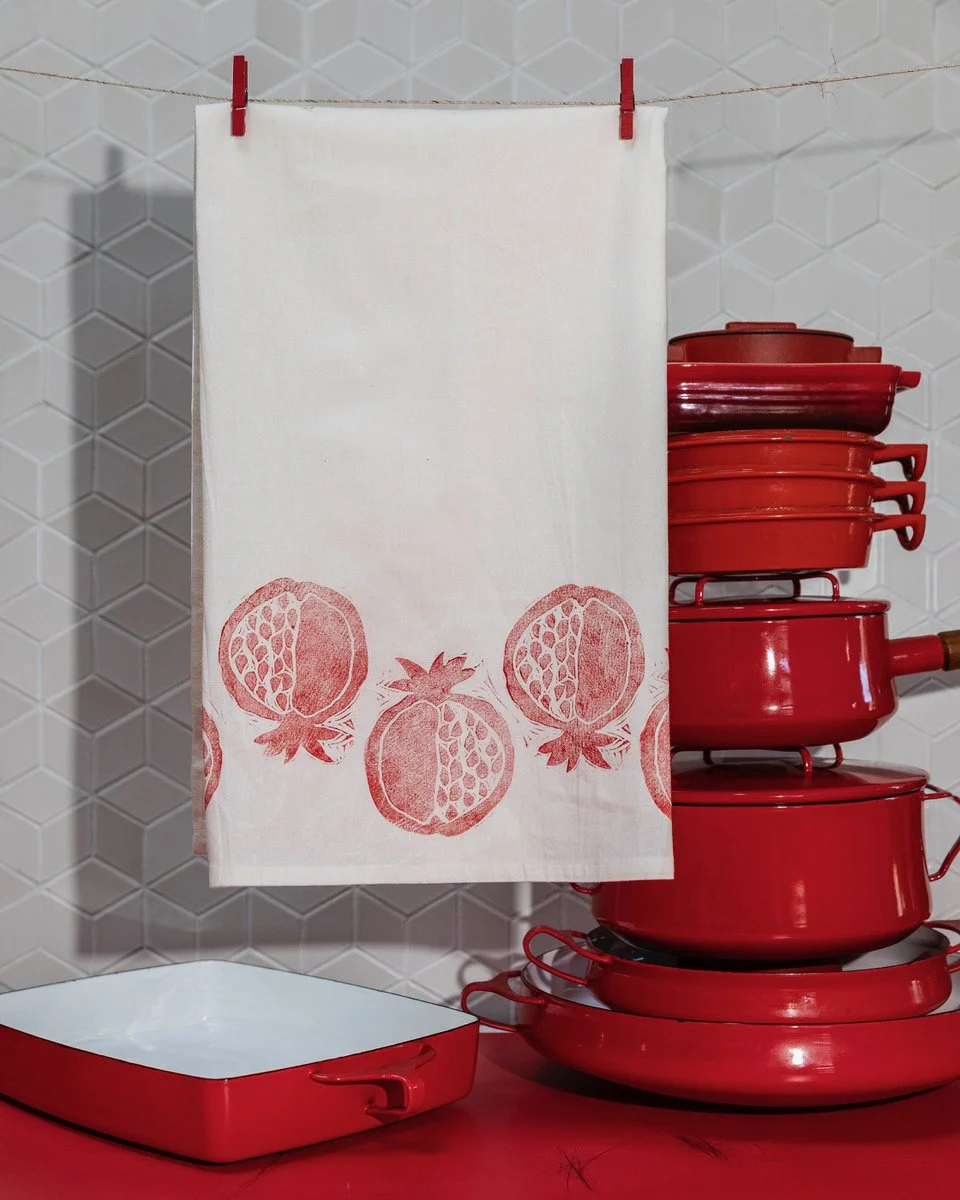
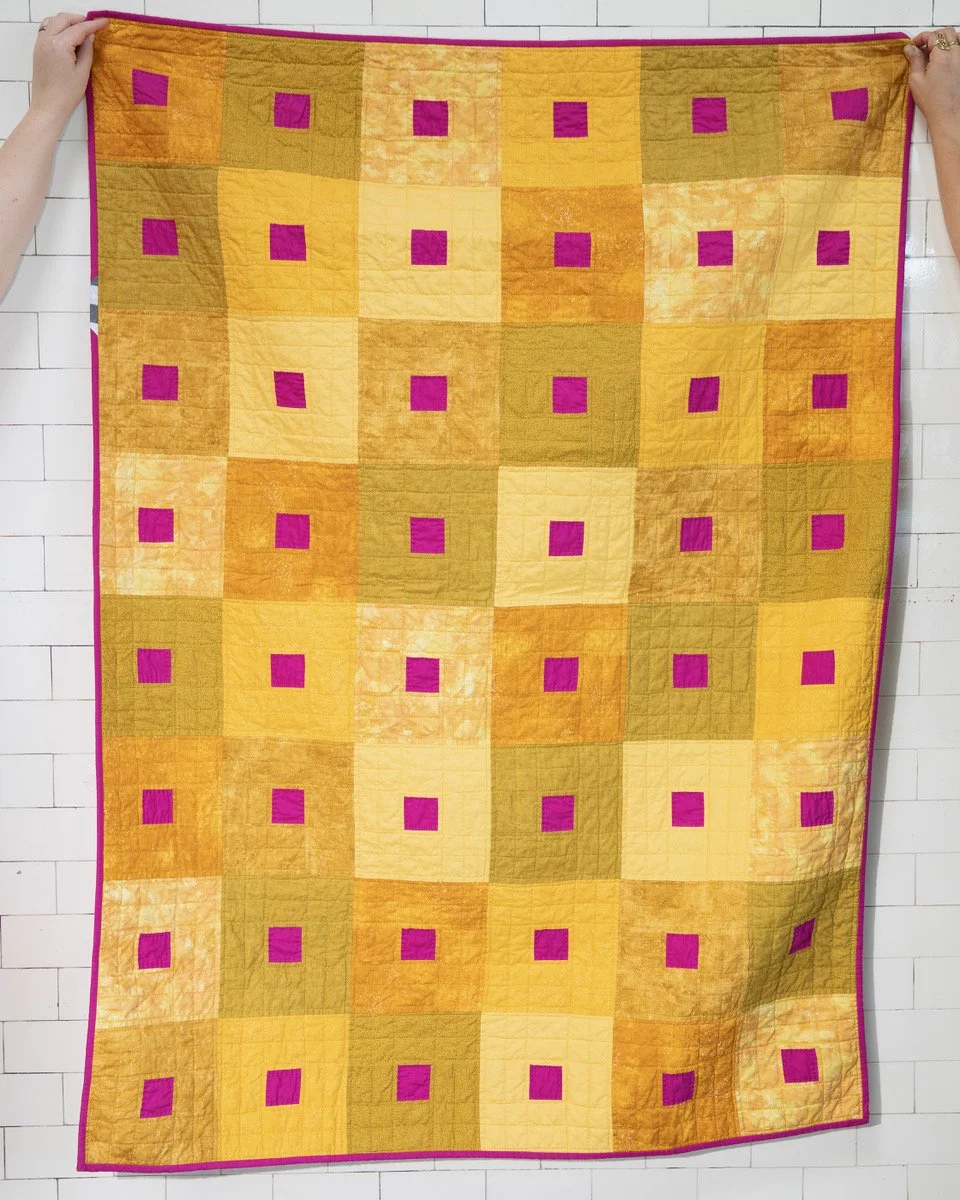
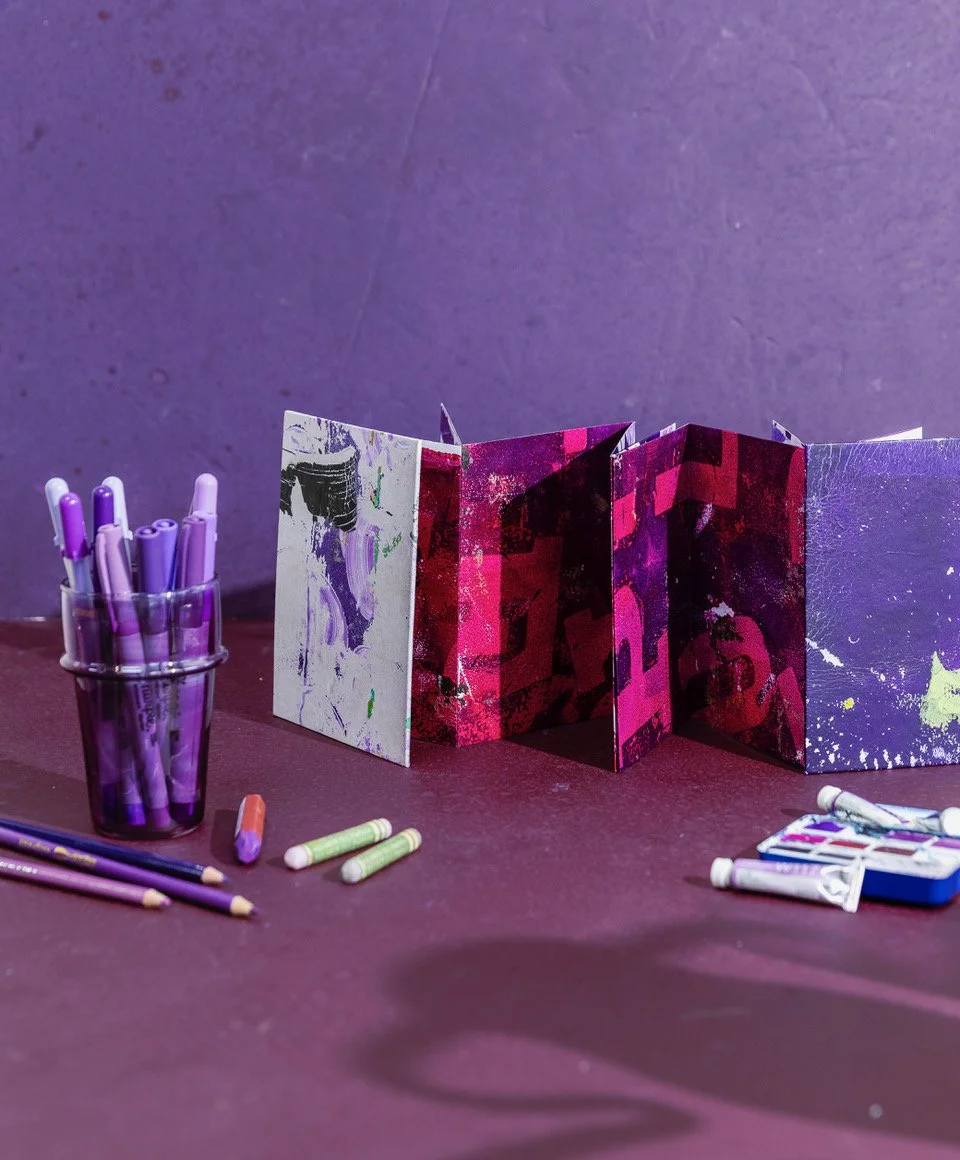
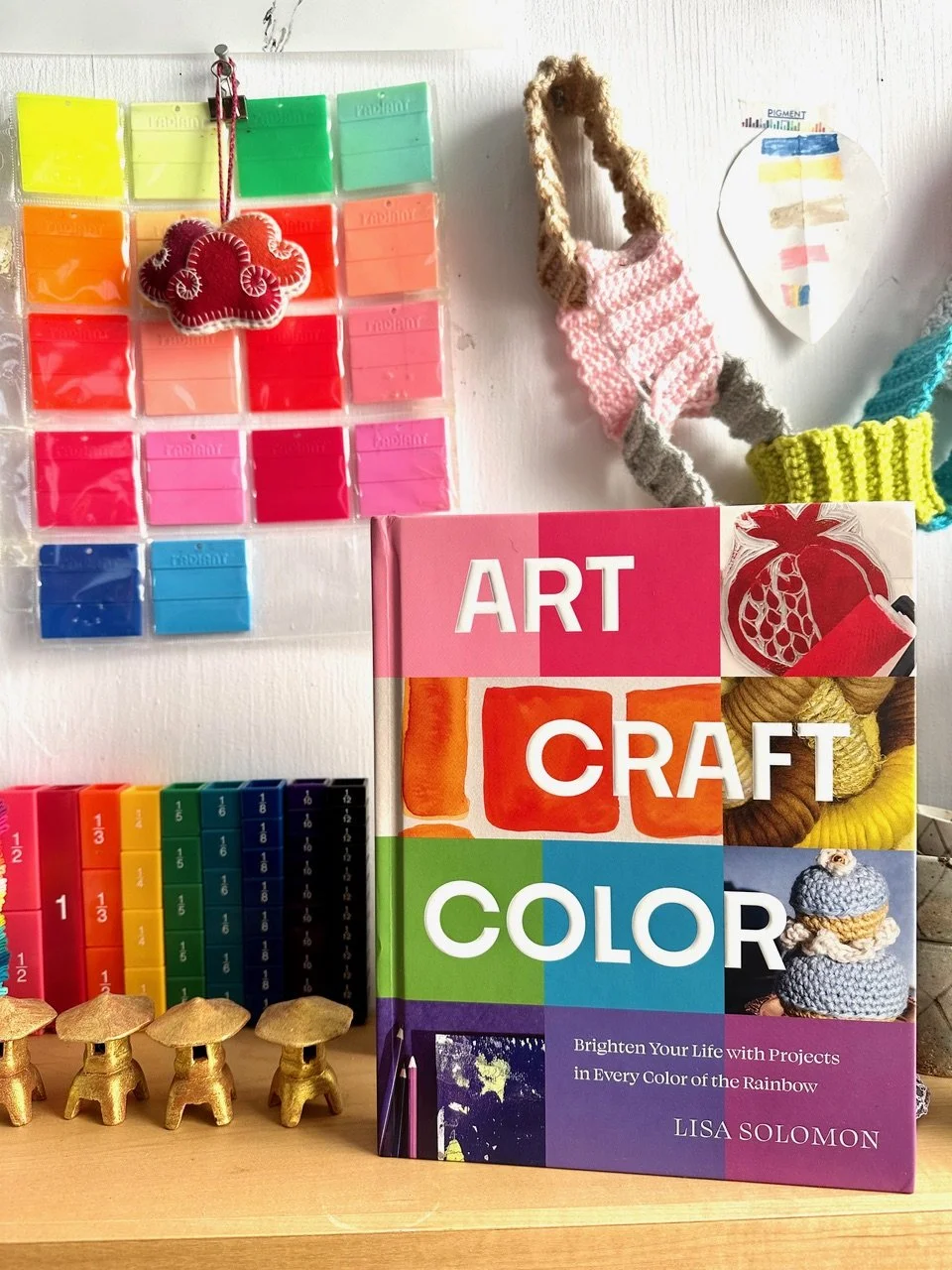
Lisa's work spans embroidery, fiber, painting, and large-scale installation, and her new book is a gorgeous, color-organized guide to making things across 20 different mediums. But beyond the book, Lisa is just one of those people who thinks deeply about what it means to be a creative person in the world - and that's exactly what we got into.
When Can You Call Yourself an Artist?
This is one of those questions that sounds simple but isn't. Lisa shared that she didn't feel comfortable calling herself an artist until after grad school - not because a degree is required, but because that level of commitment and seriousness finally gave her permission to claim the title. And yet she's quick to point out that the threshold is different for everyone.
Her take? You call yourself an artist when you feel like calling yourself an artist. Naming it matters. It's an act of permission, of claiming something important about your identity. Whether you've been making things for decades or you picked up a brush during the pandemic and never put it down, the label is yours to take.
The Art vs. Craft Debate - And Why It's Complicated
If you went to art school, you probably had this conversation in a critique room at some point. Lisa has been thinking about it her entire career. Growing up influenced by her grandmother's crocheting and embroidering, and then discovering in grad school that she wanted to use thread as a drawing material, she's always straddled the line between the two worlds.
She points to artists like Sheila Hicks, Eva Hesse, and Ruth Asawa - women whose work was kept out of the mainstream art canon for years, partly because of gender and partly because of the materials they used. Today they're rightfully celebrated, but the conversation hasn't fully gone away.
Lisa's conclusion? Maybe art and craft are the same. Maybe they're not. What matters more is intent, context, and how the work makes you feel. A macaroni painting could hang in MoMA if the context is right. A beautiful handmade mug enhances your daily life in a way a gallery painting can't. Both have value. Both deserve respect.
Creative ADHD and the Freedom of Parameters
One of my favorite parts of this conversation was when we got into the tension between experimenting and actually finishing things. Lisa's answer was refreshingly honest - she doesn't fully know how she balances it either. But she does believe that the moment you get too comfortable, the work suffers. She actively seeks that edge of uncertainty, that feeling of not quite knowing what she's doing, because that's where the interesting things happen.
And counterintuitively? Constraints help. When you limit yourself - one color, one subject, one format - you stop being paralyzed by infinite options and start problem-solving. As Lisa put it, we're artists. We want to break rules. Give yourself a rule and suddenly you're motivated to find creative ways around it.
The Thousand Doily Project
I could have talked about this project for the entire episode. Lisa envisioned creating a thousand crocheted doilies for an exhibition, inspired by Japanese Sininbari belts - garments made with a thousand French knots, each knot sewn by a different woman as an act of collective luck. She put out a call, had 80-90 people from around the world contribute, and managed the whole thing with a notebook tracking colors, contributors, and deadlines. Almost everyone came through.
It's a beautiful example of community as creative practice - and of figuring things out as you go.
On Funding Your Creative Work
This is the practical stuff our community always wants to know, and Lisa kept it real. She's always had a day job - she teaches - and she doesn't see that as a limitation. It gives her a financial foundation that lets her make work that isn't driven by whether it will sell. For large-scale installations with a very small potential buyer pool, that freedom is everything.
Her advice for funding bigger projects: do the math. Figure out what things actually cost, make a budget, and save toward it. Keep a separate business account. Track your income and expenses. It's not glamorous, but it works.
Find Lisa Solomon
Instagram: @lisasolomon
Website: lisasolomon.com
New book available at bookstores everywhere - or ask your local library to order a copy
Watercolor retreat in California, late May, through City College Extension
Ready to share your own work with the Create! community?
Submit to our current Call for Art
Join Create! Collective for monthly resources, community, and support for your creative practice