Artist Spotlight: Anese Cho on Light, Refuge, and the Lighthouse That Travels the World
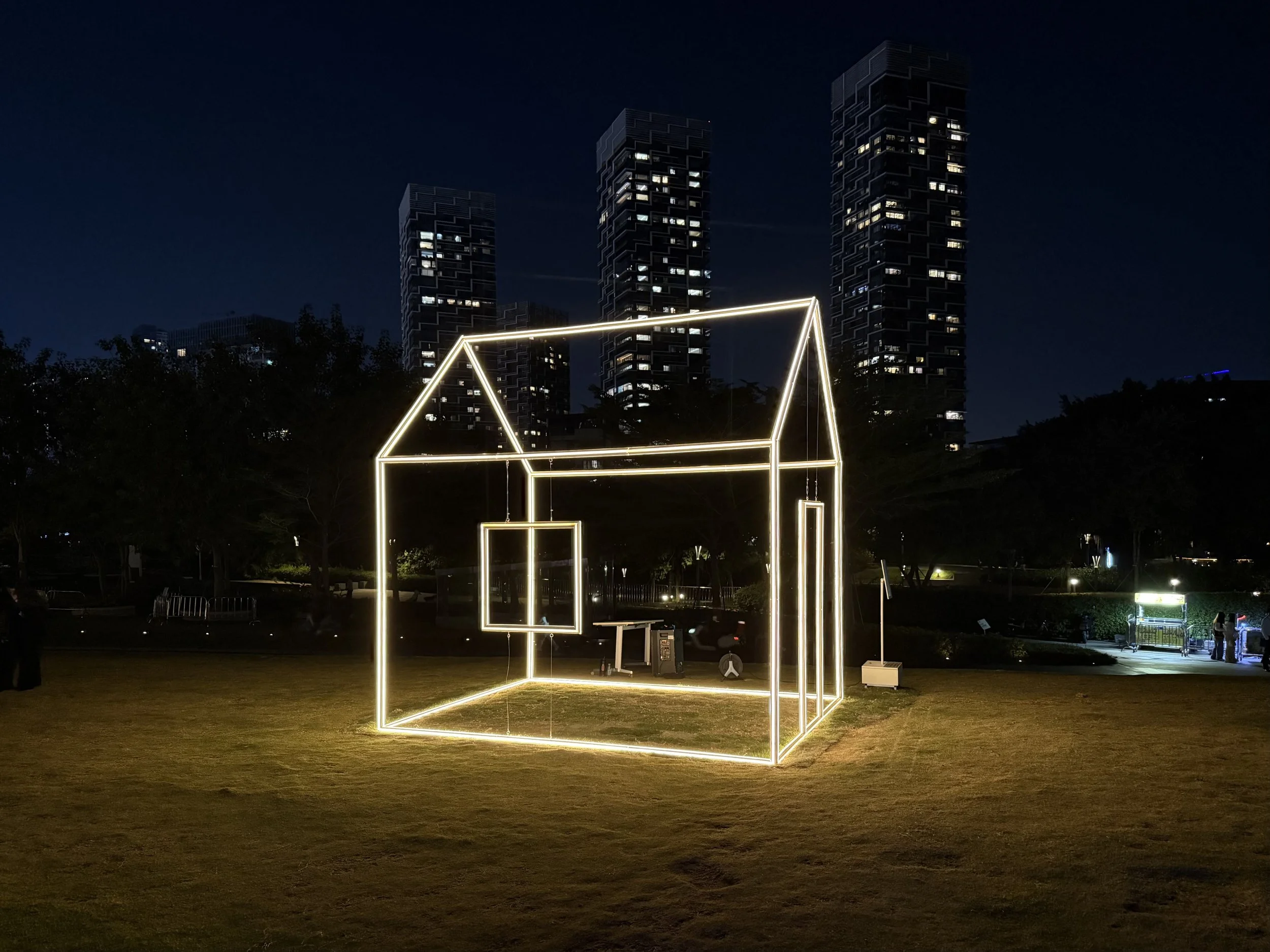
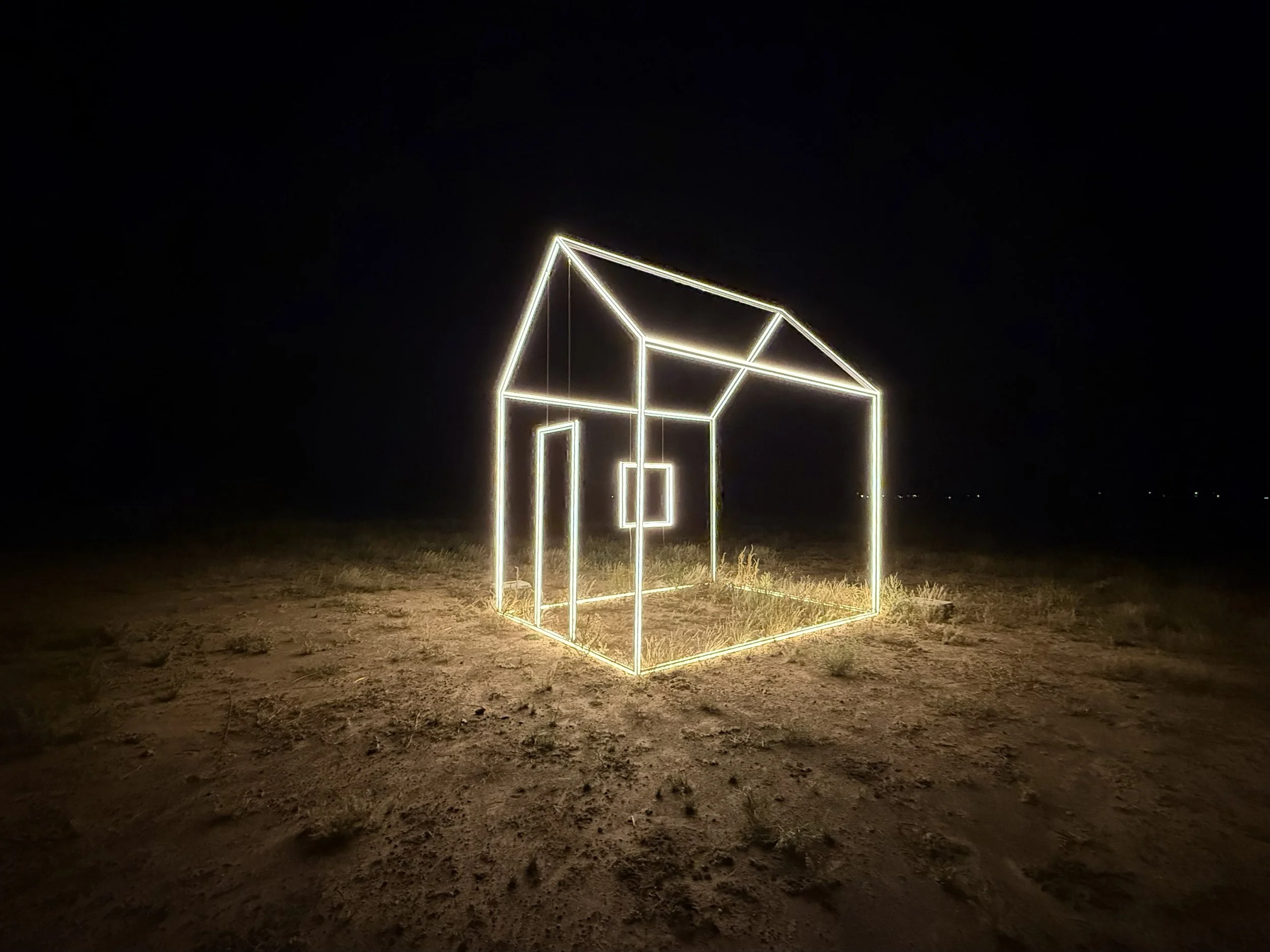
Anese Cho builds spaces that feel like shelter. The Dallas-based multidisciplinary artist, born in Seoul of Mongolian descent, works across installation, sculpture, and public art, drawn to questions of safety, resilience, and what it means to truly belong somewhere. Her ongoing Lighthouse series has been presented internationally and is now permanently installed at the SWCAC Museum in Shenzhen, China. We talked with Anese about the experiences that shaped her practice, why light is her primary material, and what she's working on next.
Tell us a little about yourself and how you became the artist you are today.
For as long as I can remember, I was always drawing - whether it was paper doll clothes, backgrounds, or even the back of mail or on the sand. It wasn't just about the drawing. It was daydreaming, creating little worlds. In the end, it felt like art chose me rather than the other way around. That's how I became who I am today.
Your work explores ideas of refuge, shelter, and emotional safety. Where do those themes come from, and why do they feel so essential to your practice?
I grew up in a home where safety wasn't a given. There was dysfunction, conflict, and instability, and I was often sent to relatives or family friends. One of my closest friends, who shared a traumatic childhood, later took her life - and that shook me. I kept thinking: if she had a place that felt like real home, maybe it would have been different. That's why creating refuge became so essential in my work. My installations, like the Lighthouse, are my way of offering the safety I was always searching for.
Light plays such a central role in what you make. What drew you to it, and what can it communicate that other materials can't?
As a child, when I was often alone, I'd look out the window at night and see warm lights glowing from other homes. That 2700 Kelvin warmth felt like what I imagined happy families had. I was afraid of the dark, and light always felt like protection. To this day, light is more than just illumination - it's a presence that shields me from negativity and darkness. In my work, light communicates comfort, safety, and the idea that when light is present, darkness can't fully reach us.
Your Lighthouse series has traveled the world and is now permanently installed in Shenzhen. How does it feel to see something so personal take on a life of its own in different places and cultures?
It's amazing to see the Lighthouse travel the world. What moves me most is how it connects so deeply with people. Some have told me they sat with it all night until sunrise, finding comfort from their own difficult past. Others visited it for days in a row. Knowing that my work offers that kind of silent understanding - where we don't just say "I'm fine," but feel truly seen - means everything. Honestly, I can't say all this without tears in my eyes. I'm honored, humbled, and grateful to offer that sense of ease to others.
You've described your sketchbooks as loyal companions through some really difficult seasons. How did that period of wandering and finding your way back shape who you are as an artist?
My wandering hasn't ended - I'm still on that journey. But through those hardships, my sketchbook was where I turned pain into something positive. It's a constant battle, like a lotus growing from muddy water into a flower. I don't want to just express pain as pain. I want to transform it into something that gives others energy, hope, and a reason to move forward in their own lives. That's what shapes my art.
You work across installation, sculpture, and public art. Does the medium change how you think, or is it always the same voice coming through?
I don't decide on the medium first - I follow the inspiration. The message or feeling leads me to the form, whether it's public art, sculpture, or installation. When I envisioned the Lighthouse, for example, I saw it in the desert, which shaped the scale and setting. The core voice is always the same, but inspiration chooses how it's expressed.
You call yourself a wanderer, a dreamer, and a student. What are you curious about right now - what questions are driving your work?
I'm continuing to expand the Lighthouse while developing four new projects. The first is Twelve Lighthouses: because each person's sense of safety is unique, I'm creating 12 lighthouses, each different in size and light brightness, installed across a vast open space. The second is Levita, which explores what happens if our wounded inner child is fully healed - could we become radiant, almost like divine beings? The third, Glowing Path, is a collaboration with Maintenant Marfa: a sculptural visualization of time that illustrates life's zigzagging journey, lighting up our detours. And finally, Sweet Futureimagines how we'll adapt to the AI era and what kind of positive world we can build together.
To learn more about Anese Cho and her work, visit aneseart.com.