A Tale of Peace and Quiet: Inside Johanne Bossmann's Hand-Painted Landscapes
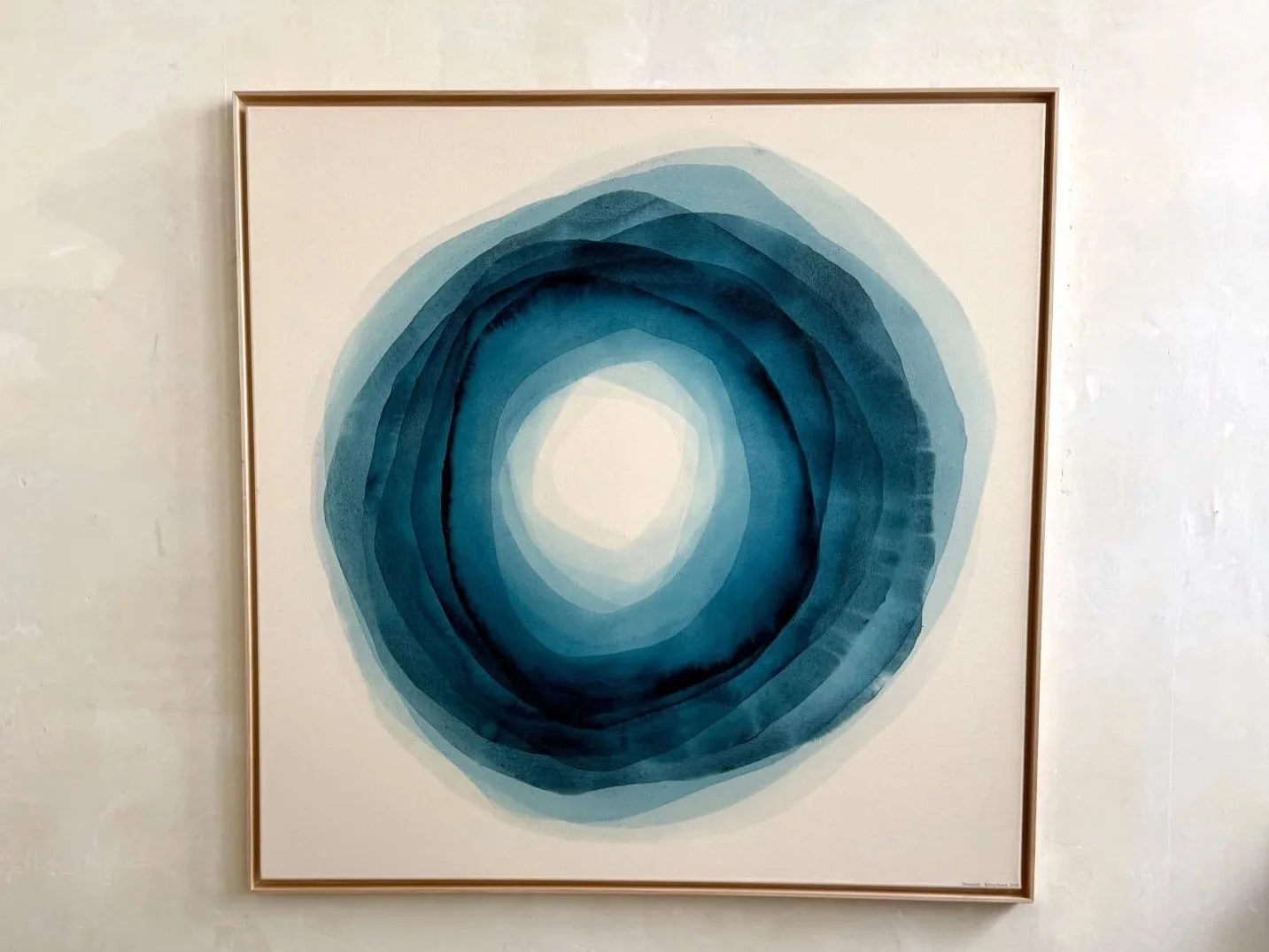
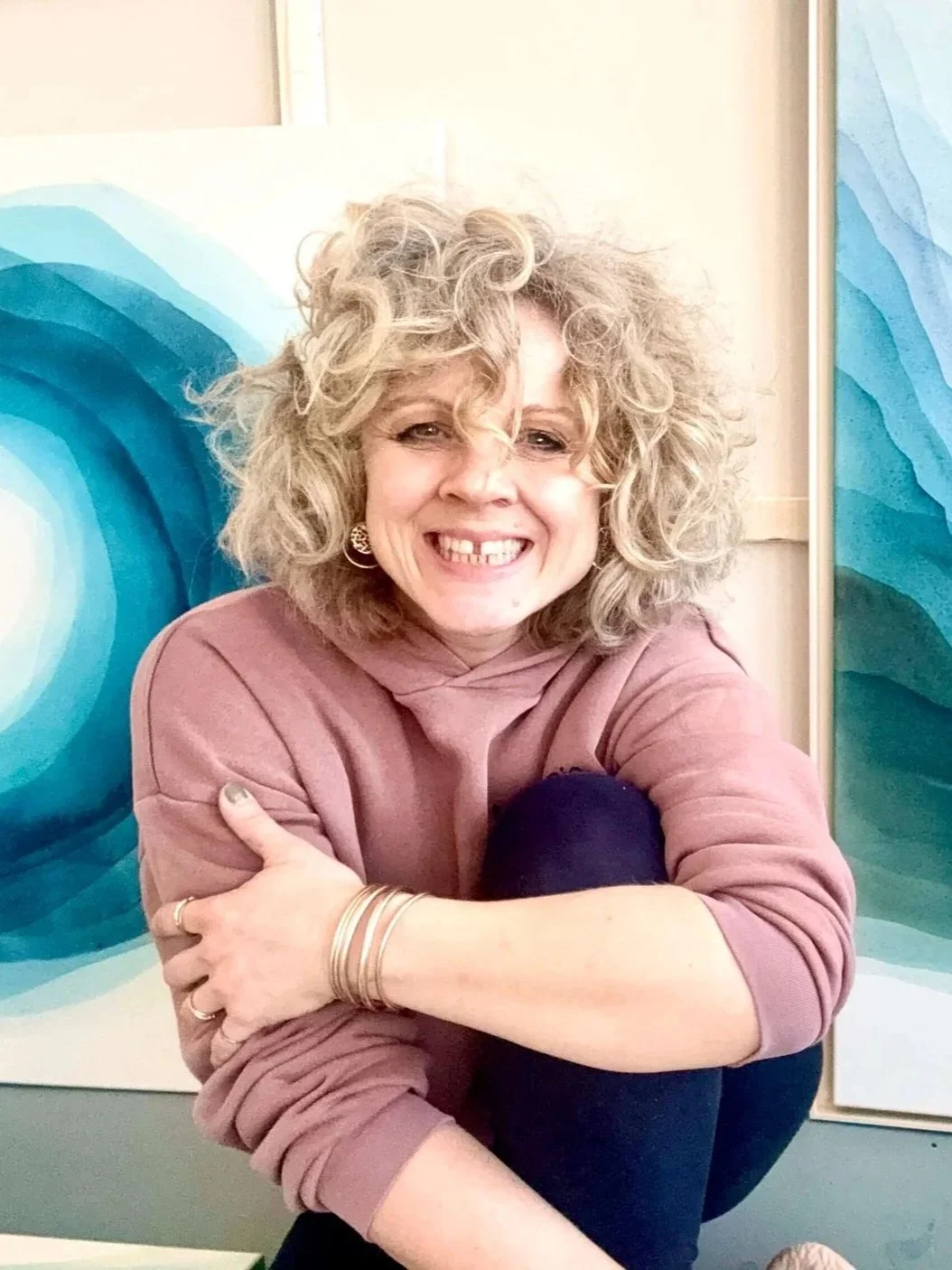
Johanne Bossmann is a contemporary artist based in Germany, whose practice is deeply rooted in her experience and the belief in the healing power of creative presence. Her practice centers on the intersection of mindfulness, process-oriented creation, and minimalist landscape.
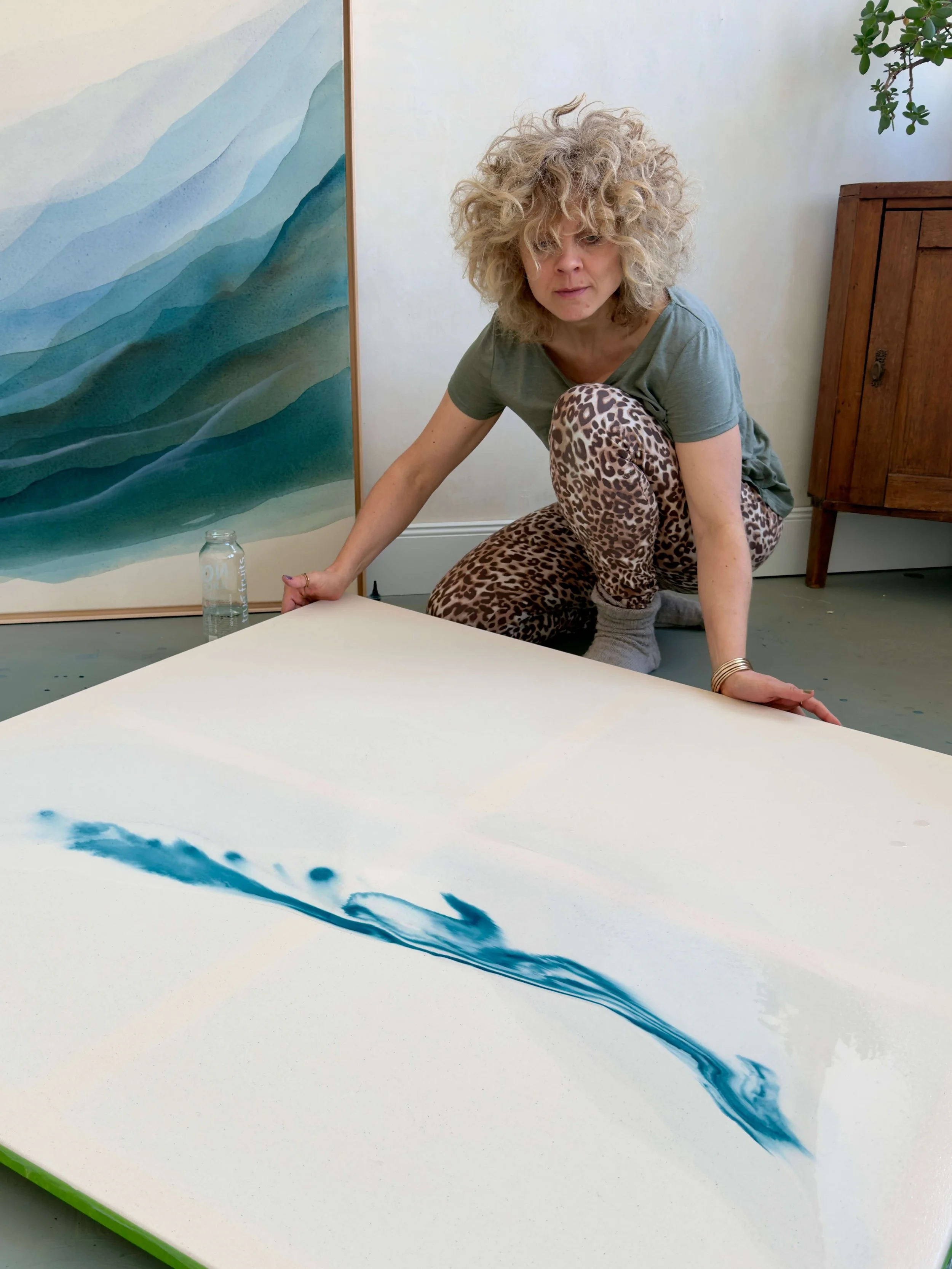
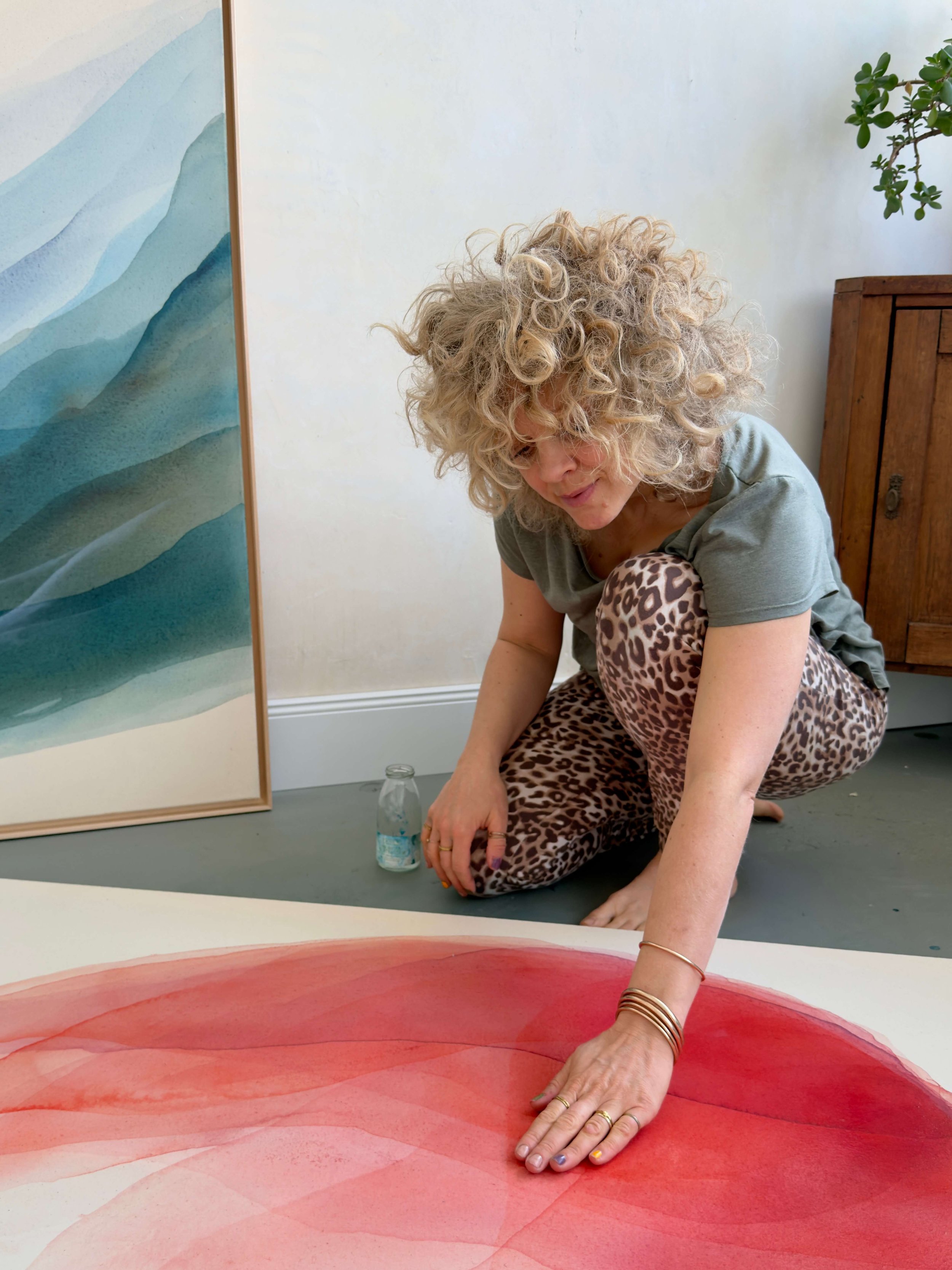
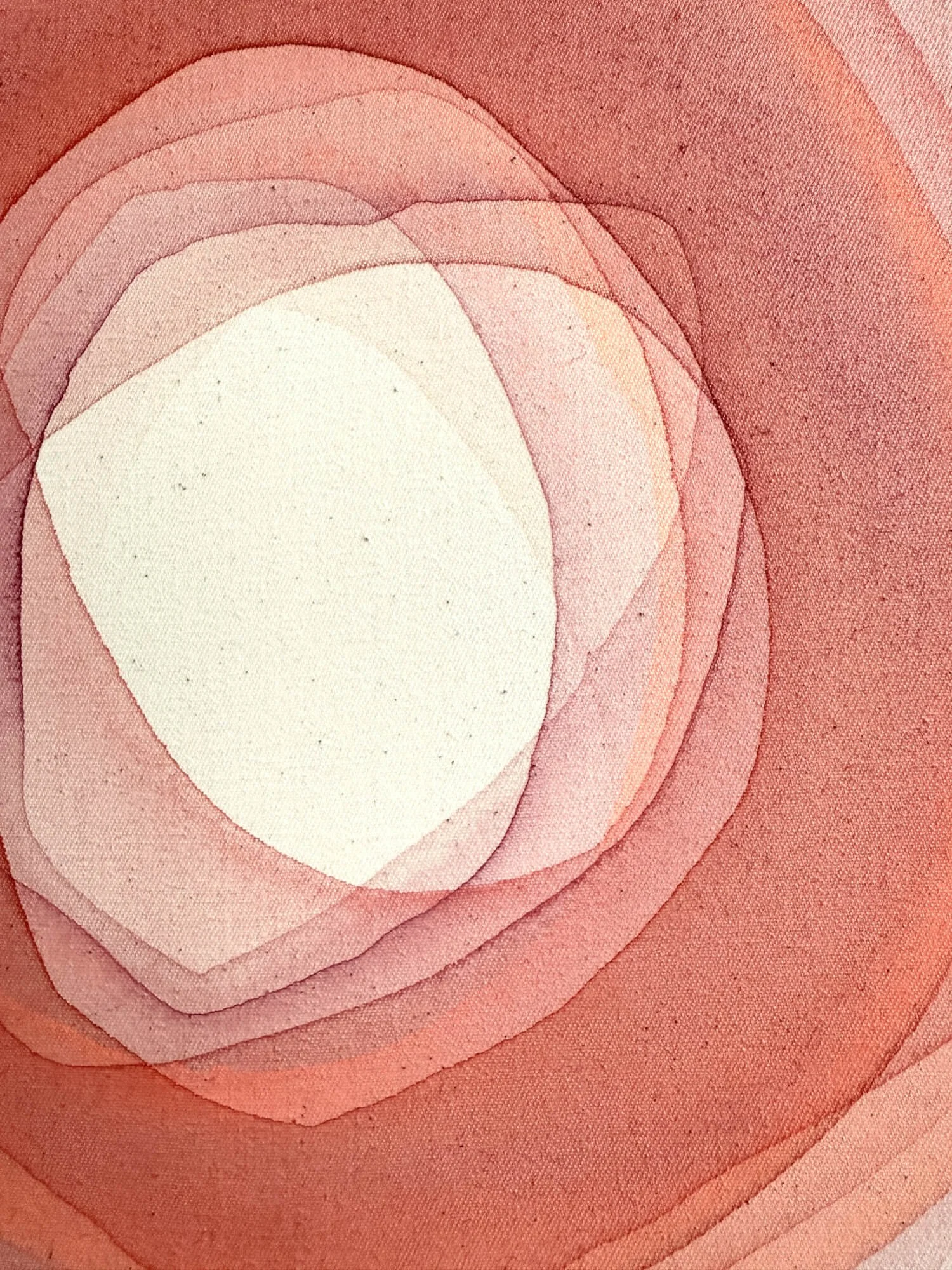
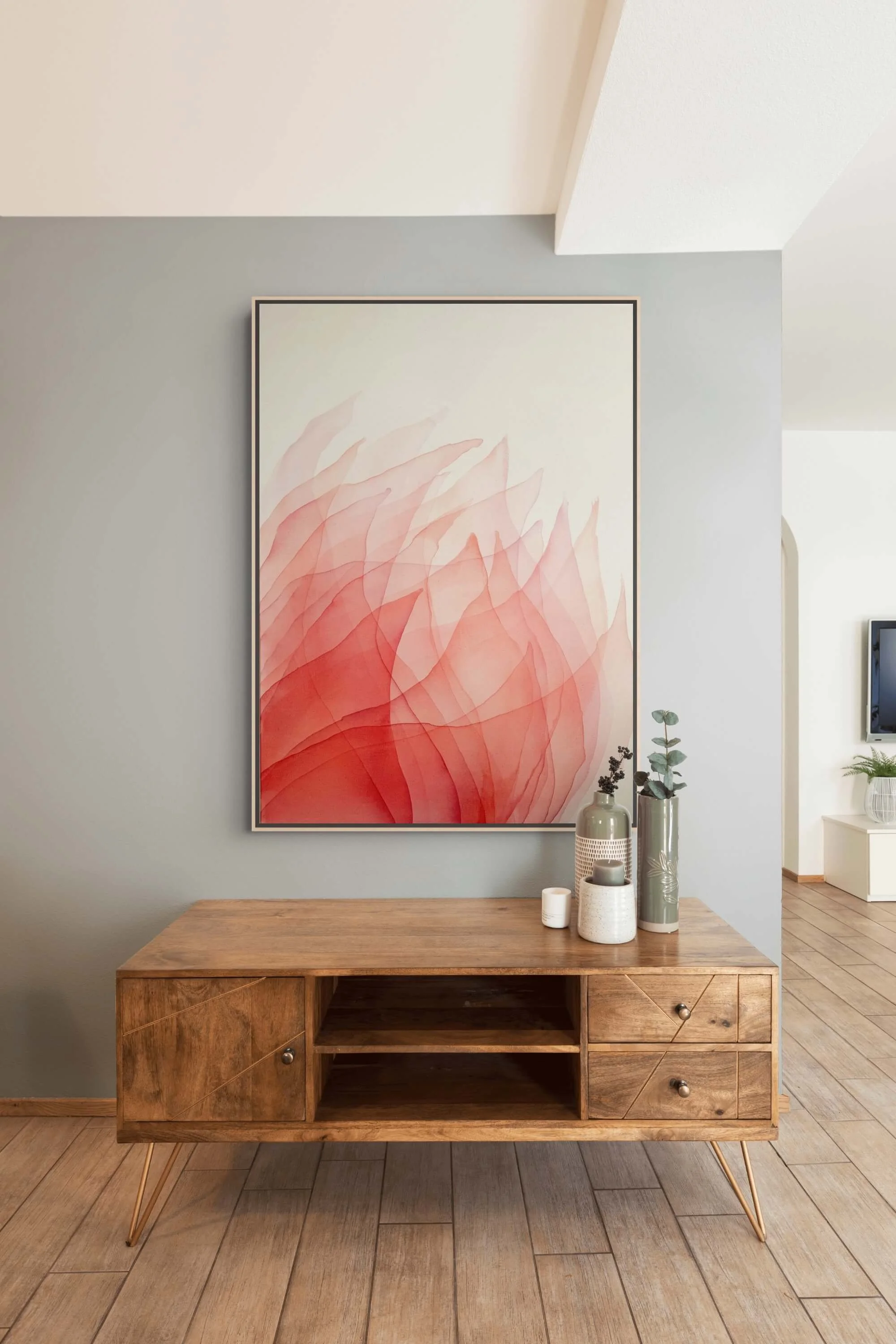
She has developed a distinctive technique characterized by the use of raw canvas and a watercolor-like application of acrylics. By eliminating the barrier of the brush and working exclusively with her hands, she maintains a direct, haptic dialogue with her medium. This intimate connection allows her to create atmospheric works that radiate a unique sense of stillness, depth, and weightlessness.
Her work has resonated with an international audience and is held in private collections worldwide. Bossmann is dedicated to a Quiet Luxury in art—where the true value lies in the time, the silence, and the authentic human touch embedded in each piece. Currently expanding her studio practice, she remains committed to exploring the raw and intimate reality of the creative journey, offering viewers a gateway to interior calm.
A Tale of Peace and Quiet
In an era increasingly defined by automated imagery, my practice is a deliberate return to the most primal source of creation: the human hand. It is a visual narrative that explores the tangible connection between the artist and the material, celebrating the "human pulse" in every touch.
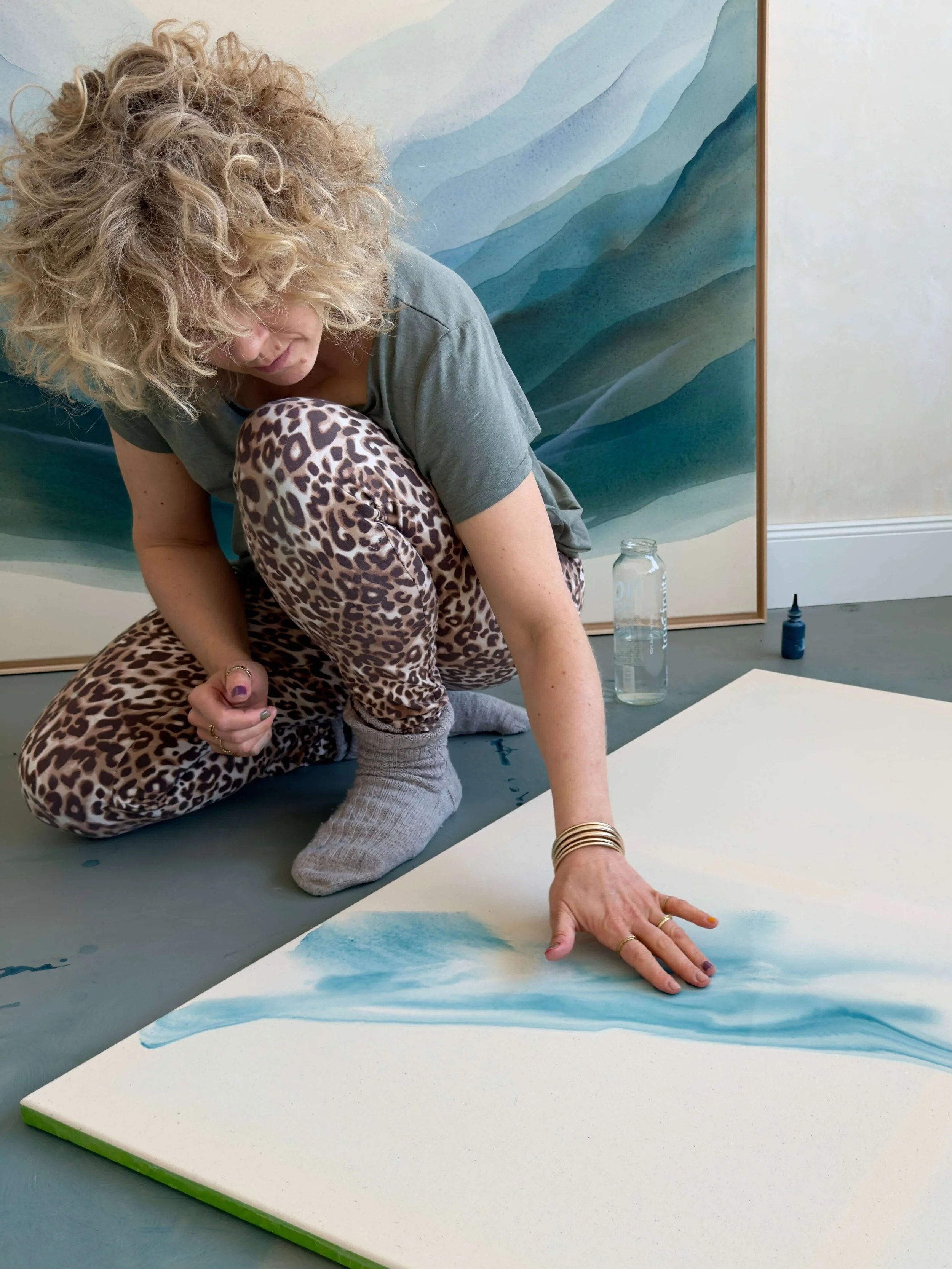
Working without brushes, I apply highly diluted acrylics onto raw canvas, using my hand to spread the color. This method requires a heightened state of presence and slowness, as the pigment merges with the textile fibers instead of resting as a separate layer on the surface. This process is irreversible and honest—every movement remains visible as a translucent layer of the final landscape.
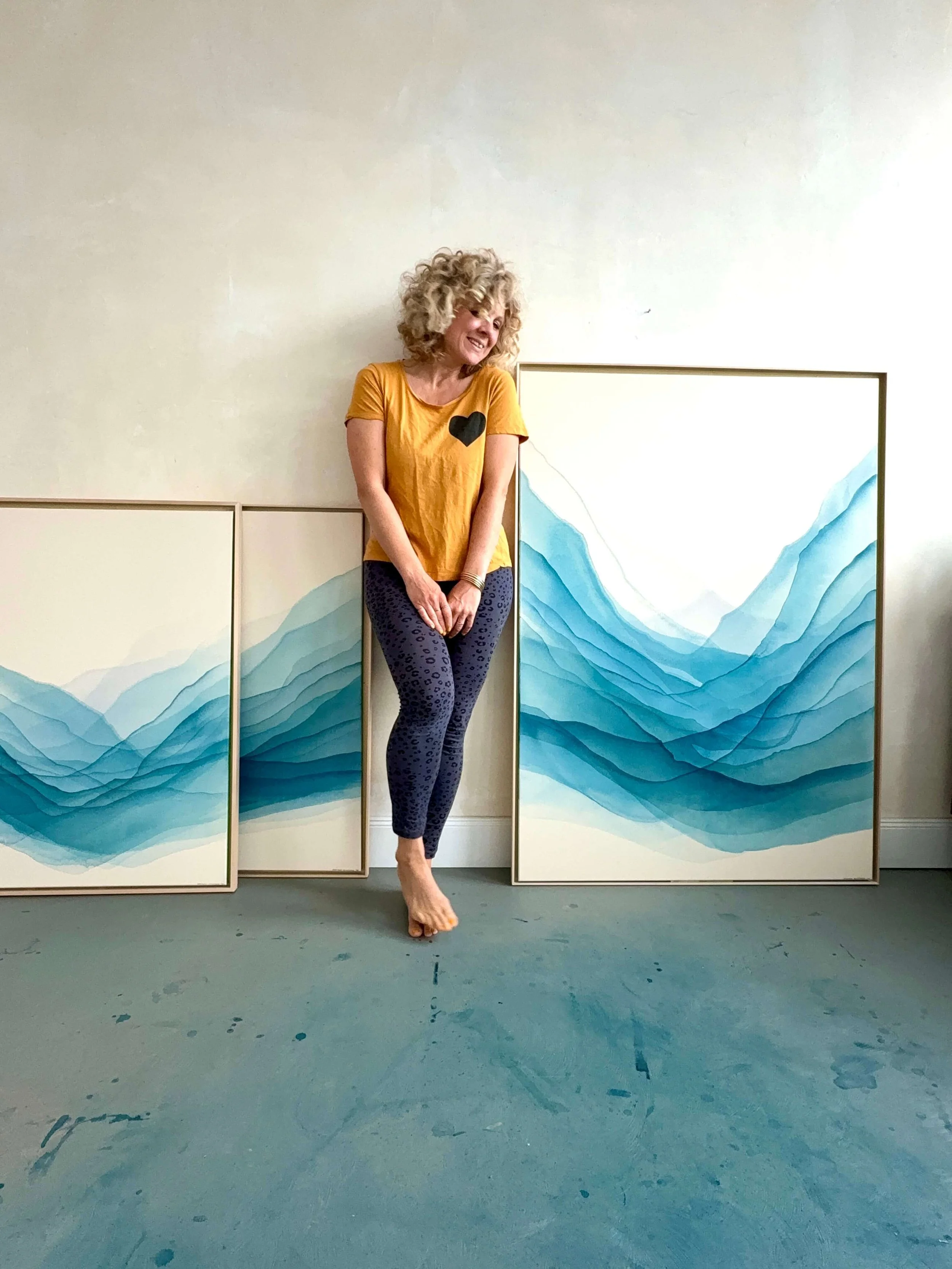
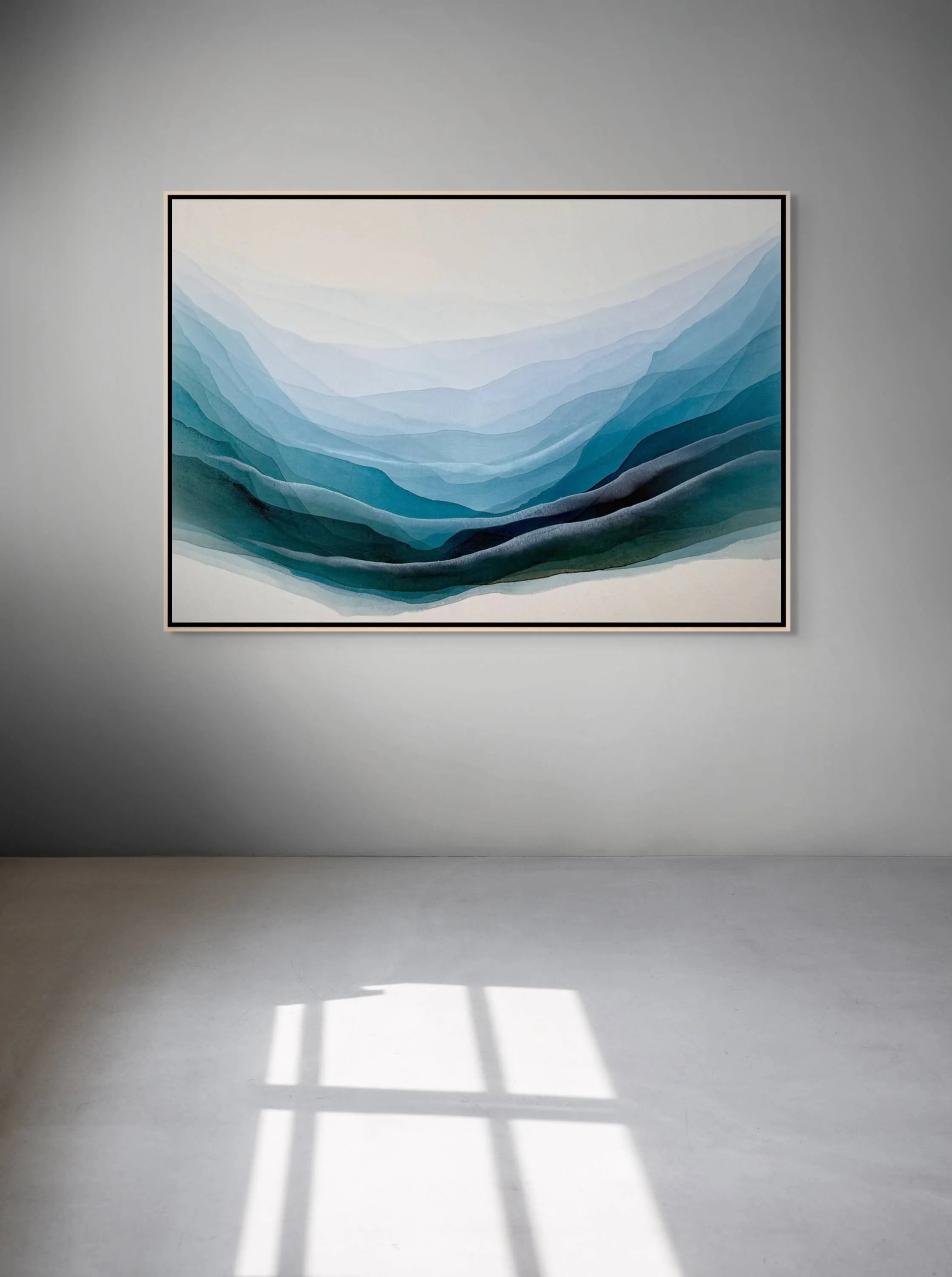
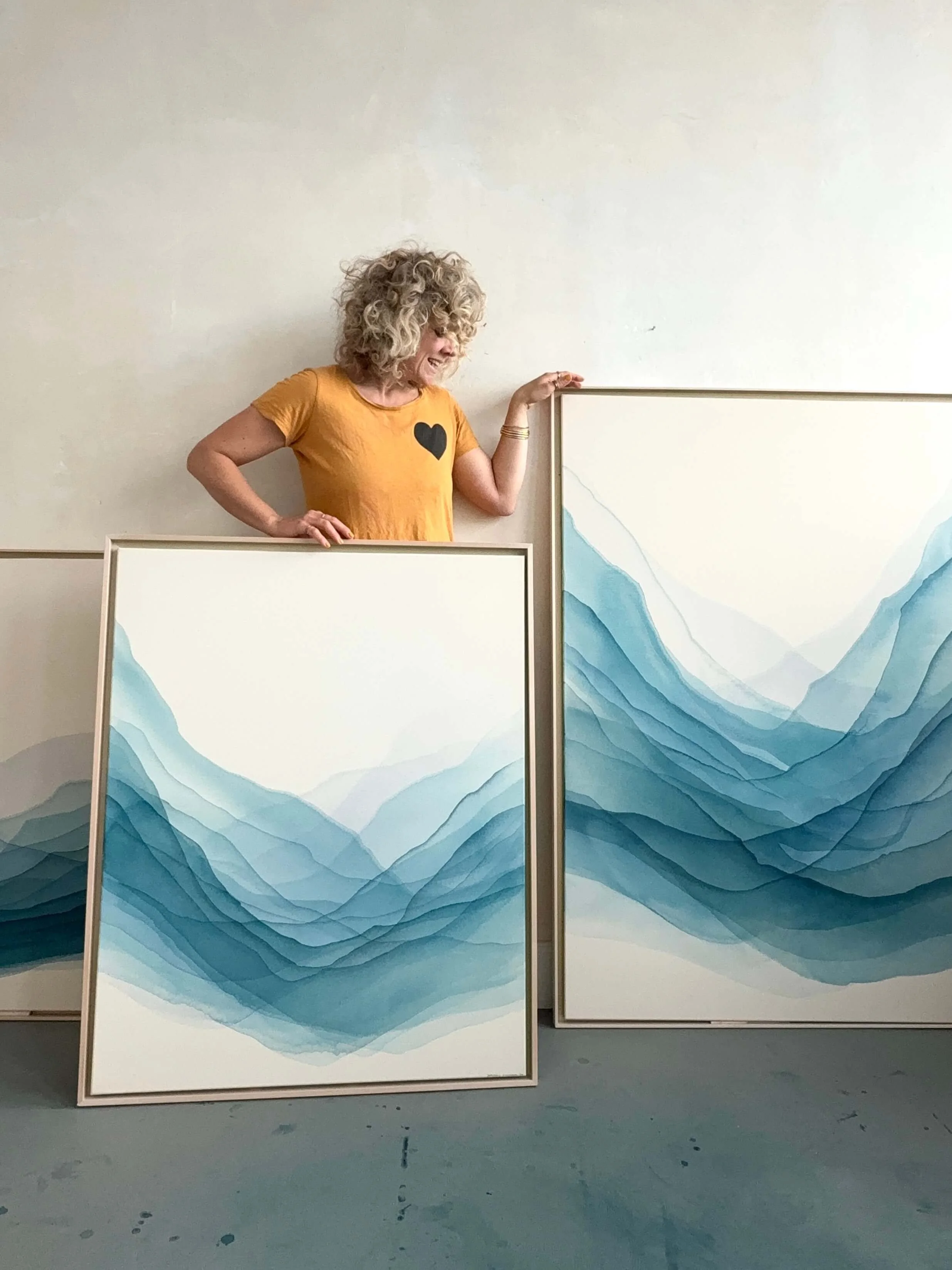
My current series translates the meditative experience of nature into ethereal, flowing horizons. These works are not just depictions of landscape, but invitations to breathe and find a center of calm. For me, the "Artist's Studio" is a sanctuary for emotional grounding, where the act of painting serves as an authentic counterpoint to the noise of the modern world. Through this tactile approach, I seek to preserve the integrity of the creator and the quiet, intimate journey behind the finished work.
www.instagram.com/johanne_bossmann/
Interview
You made the decision to eliminate the brush entirely and work only with your hands. What led you to that choice, and what changed in your work when you made it?
Answer: Removing the brush was an intuitive step to eliminate any barrier between myself and the medium. I wanted an immediate, tactile connection to the canvas. Without tools, every movement becomes a direct imprint of touch. It transformed my work from a process of "painting a picture" into a physical, deeply sensory conversation with color, fluid, and fabric.
Your technique requires a heightened state of presence and slowness, as the pigment merges with the textile fibers of the raw canvas. How do you prepare yourself to enter that state before you begin?
Answer: Entering the studio requires a deliberate pause. Before I begin working with water and paint, I focus on grounding myself—often through quiet breathwork, music, incense, and candles. Working with such a large amount of water demands absolute stillness and concentration; controlling the flow and guiding it across the canvas without letting it run wild is a delicate balance. Because the liquid reacts instantly and cannot be undone, I must step into the space fully present, letting go of rush and trusting the slow rhythm of the medium.
You describe your work as preserving the "human pulse" within the creative process. What does that phrase mean to you today?
Answer: To me, the "human pulse" represents vulnerability, subtle imperfections, and the authentic energy of being alive. The physical touch of my hands meeting the raw canvas serves as a grounding anchor—it immediately brings me back to myself. In an increasingly digital world, my work preserves this organic rhythm of human breath and touch. It's a reminder that true depth comes from the sensory experience of presence, feeling, and lived emotion.
Your process requires surrender and acceptance because each mark becomes permanent. How has that shaped you as an artist and as a person?
Answer: Working on raw canvas leaves no room for correction—every layer is final. This technique has been my greatest teacher in letting go of perfectionism. As an artist, it taught me to embrace unpredictability and trust the process. As a person, it has cultivated deep patience and an acceptance of life's unrepeatable moments.
You describe your practice as a deliberate return to the most primal source of creation in an era of automated imagery. How do you think about the relationship between your work and the current moment in art and technology?
Answer: As technology accelerates and automated imagery becomes ubiquitous, I feel a growing need for touchable, tactile grounding. My work stands in soft contrast to digital perfection. It is deliberately slow, physical, and tied to raw materials. I see it as an invitation to reconnect with our human sense of feeling, texture, and physical presence.
Your work is held in private collections worldwide and has resonated with an international audience. What do you hope viewers carry with them after spending time with a piece?
Answer: I hope my pieces bring a sense of quiet stillness, calm, and emotional resonance. I want the viewer to feel a gentle invitation to pause, breathe, and find a moment of peace within their own space.
You speak about "Quiet Luxury" in art. How do you define that concept within your own practice?
Answer: For me, "Quiet Luxury" is not about loudness, extravagance, or decoration. It is about understated elegance, intentionality, raw materials of high quality, and a sense of depth that reveals itself over time. It's the luxury of simplicity, calm, and genuine connection in a crowded world.
What are you most curious to explore next in your practice?
Answer: I am excited to keep exploring the boundary between fluidity and control, continuing to push how far subtle color gradations can interact with raw canvas. I'm also eager to expand into larger-scale formats and host spaces—like quiet art retreats—where people can experience this restorative, tactile connection to creativity themselves.