

Home Is Where You Carry It: Alice d'Apolito on Nomadic Identity, Whimsy, and the Art of the Visual Diary
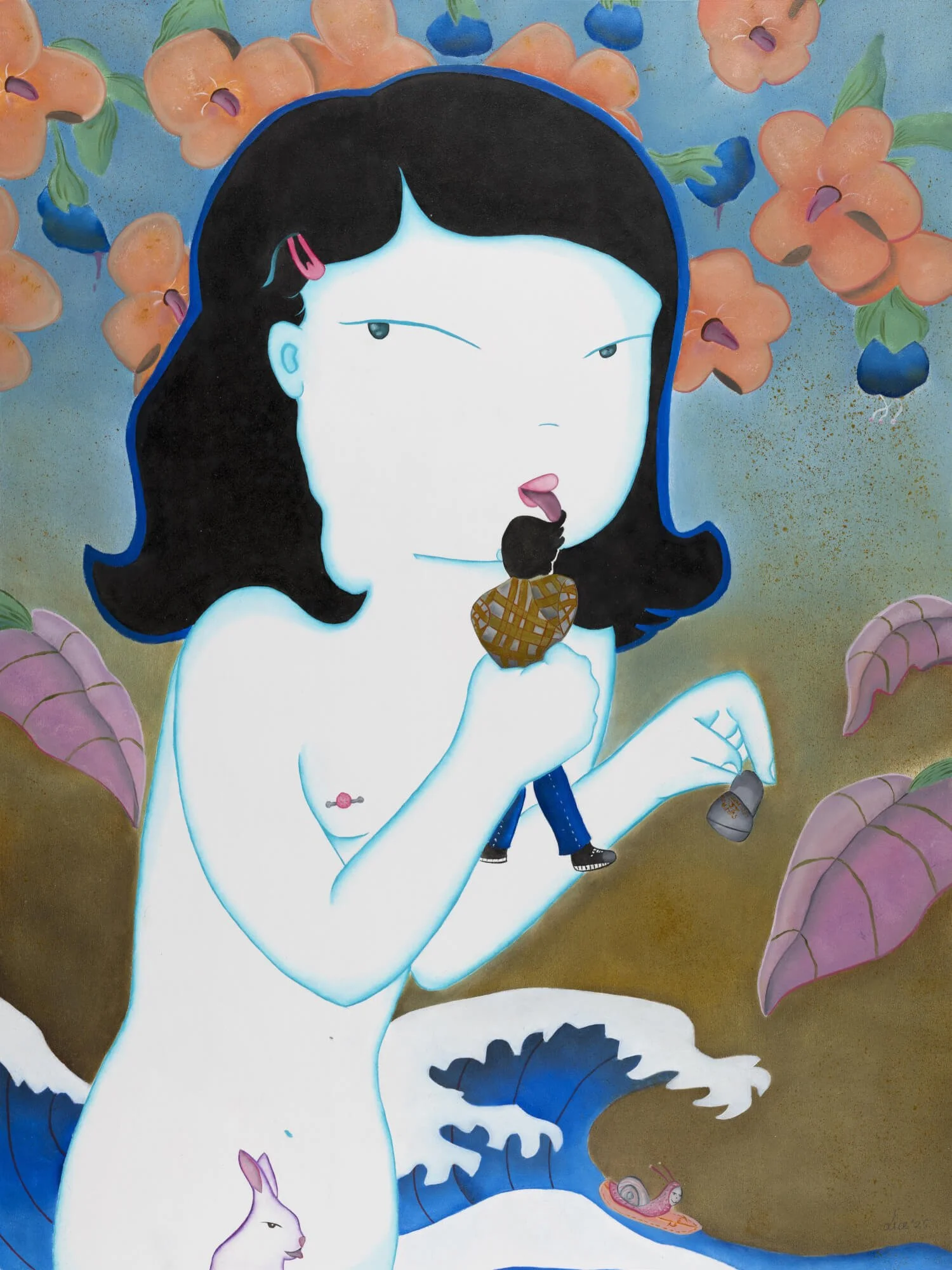
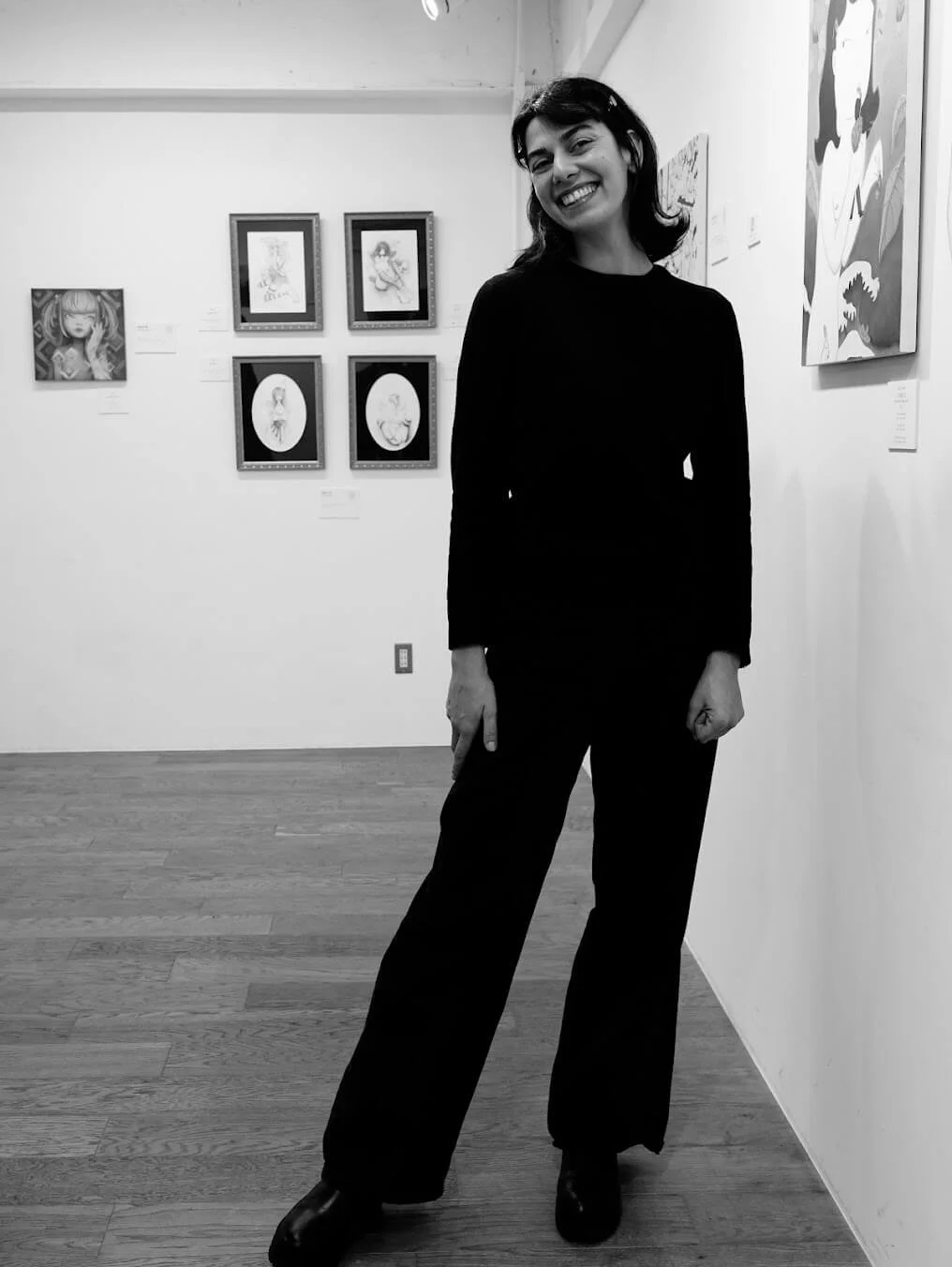
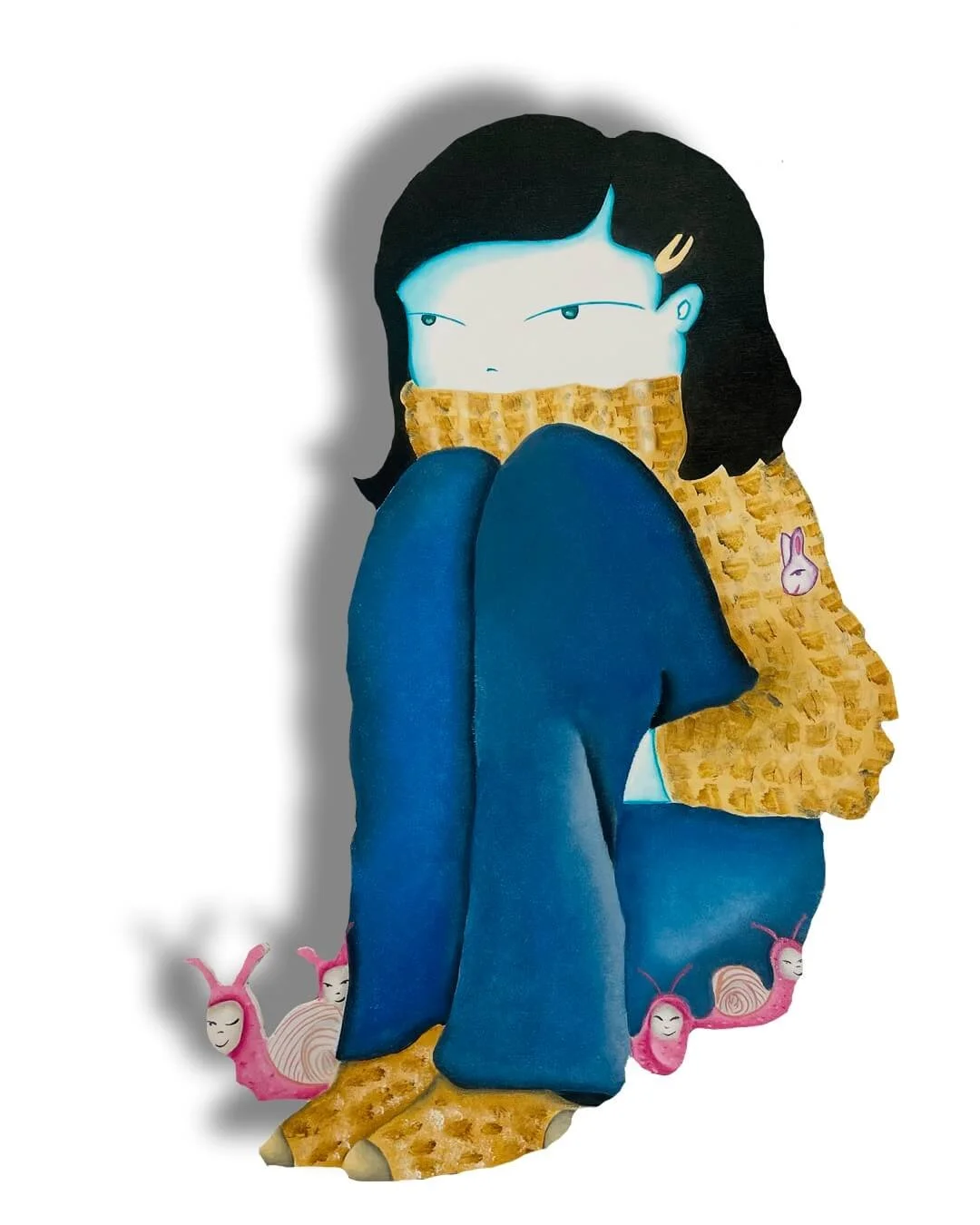
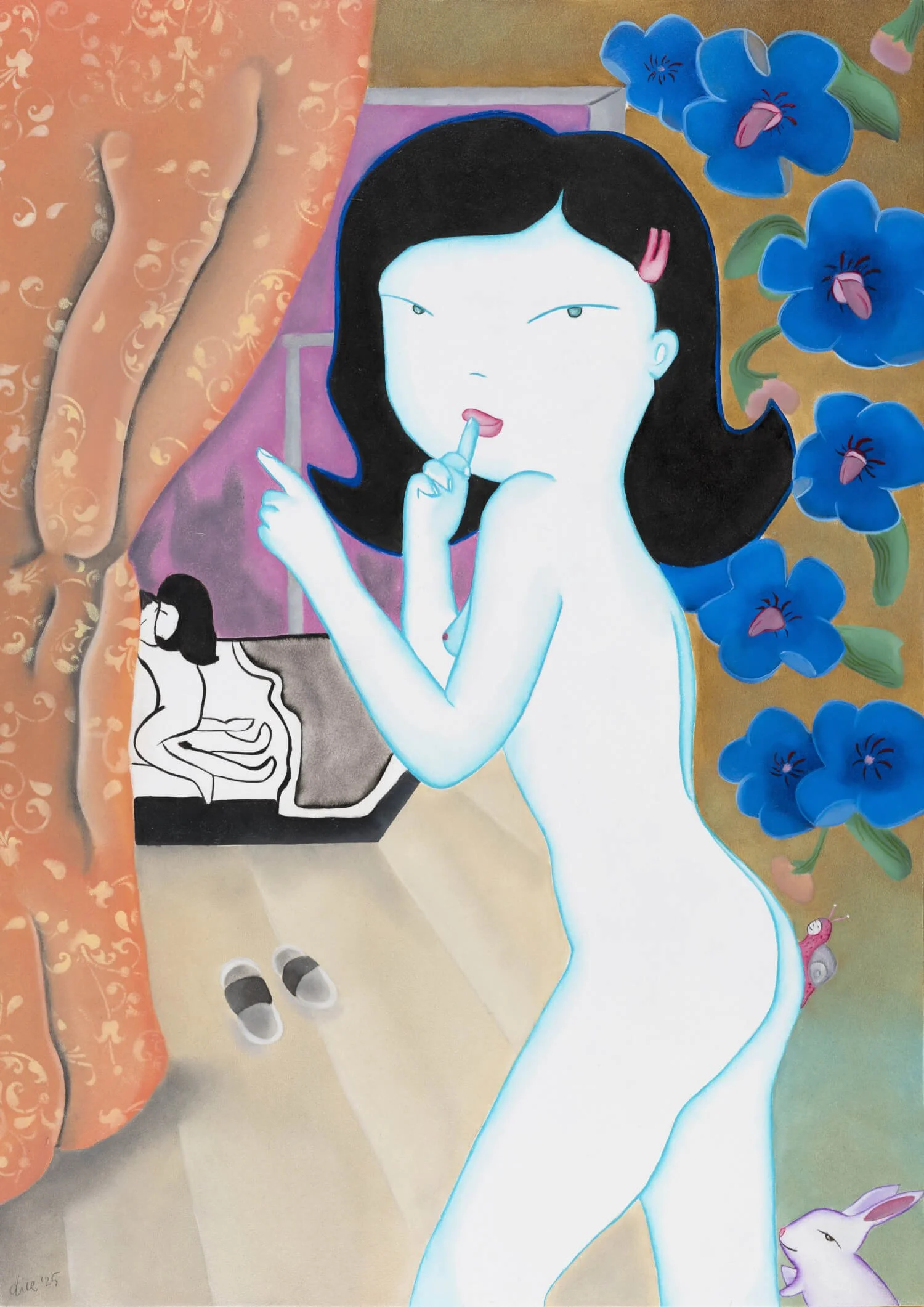
Alice d'Apolito is an Italian contemporary artist and global nomad whose work explores the intersection of traditional artisan craftsmanship and personal iconography. Her style is defined as Contemporary Cartoon Pop, a narrative-driven aesthetic born from her background in Cinema and Animation. This influence is evident in her unique approach to the "gaze," where she moves away from traditional tropes toward sharp, clean lines that define a conceptual and modern silhouette. Alice's practice is an evolving visual diary, translating her life in transit into wooden panels and figures. Her work features a recurring Alter Ego alongside her beloved companions: her childhood rabbit, Fulmine, and her current pet snails. These figures act as "souvenirs" of her journey, using a bold, graphic aesthetic to translate internal experiences of security and insecurity into a physical world. Visually, her universe is anchored by bold cobalt blue lines. This signature choice establishes a specific psychological atmosphere, stripping the figures of natural warmth to inhabit a conceptual space detached from realism. Whether through static paintings or pieces featuring subtle kinetic joints, Alice's work centers on the power of dreams and experience. Her characters, most notably in her "Shh" painting, embody a "hushed" strength, acting as guardians of secrets in a whimsical world where the warmth of the wood meets the mystery of the traveler.
Artist Statement
My work is an exploration of identity and mystery through the lens of a traveler. Using wood as my primary medium, I create a family of characters that serve as vessels for the emotions I gather while moving between cultures. These forms are deeply personal: my Rabbit represents the playful, rapid energy of my childhood, while my Snails, inspired by my current pets, embody the "slow art" philosophy and the steady pace of my present life. I am fascinated by the tension between these two speeds, the fast and the slow, and how they reflect the feminine experience of navigating the world. Visually, this journey is mapped out through vibrant cobalt blue lines. These lines act as the "blueprint" of my characters, providing a sharp, contemporary contrast to the organic warmth of the wood. At the heart of my practice is the power of the unspoken; it is a quiet, commanding invitation to look closer at the layers we carry. "My art is a celebration of the mechanical and emotional heartbeat that exists within the whimsical and the sculptural, inviting the viewer to pause and share in the secrets of the journey."
www.alicedapolito.com
Interview
You describe your paintings as a kind of visual diary, often featuring your alter ego, your childhood pet Fulmine, and your snails. How did this cast of recurring characters first come to life in your work?
They really emerged naturally from a need to process my own world. Because my work functions as a visual diary, I needed a cast that could translate complex, private emotions into a shared language. My alter ego acts as the anchor, experiencing the world on the panels.
The memory of Fulmine, my childhood pet, came back to me deeply during the isolation of the lockdown; he came to represent unconditional love, safety, and nostalgia, a piece of comforting home I needed to carry with me. The snails also stepped into my art directly from real life. I rescued a single snail in the park one day, and she ended up having babies, who are now my five pet snails! Watching them brought a sense of slow time, vulnerability, and the beautiful concept of carrying your home on your back. They all came to life because they were the symbols I kept returning to whenever I sat down to make sense of my memories.
Your practice spans oil painting, illustration, editorial work, and animation. How do these different formats feed each other creatively?
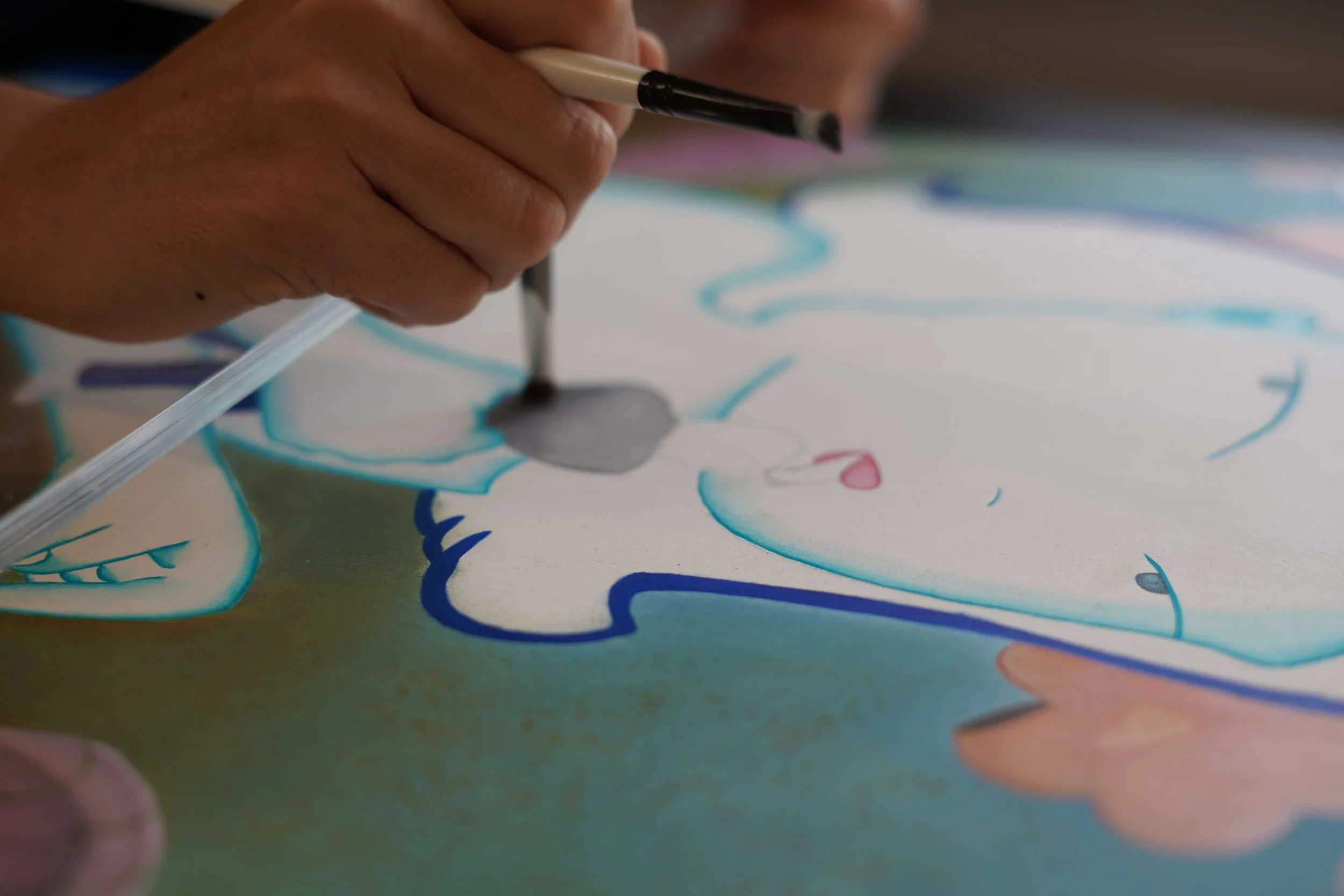
They all talk to each other constantly. Animation teaches me about movement, timing, and how a character occupies a space, which heavily influences how I compose the layout of a static oil painting. Painting allows me to slow down and focus on texture and depth in a way digital or editorial work doesn't. Then, editorial work teaches me how to be bold and clear with a narrative. Each medium challenges a different part of my brain, so when I get stuck in one format, I move to another, and it usually unlocks the solution.
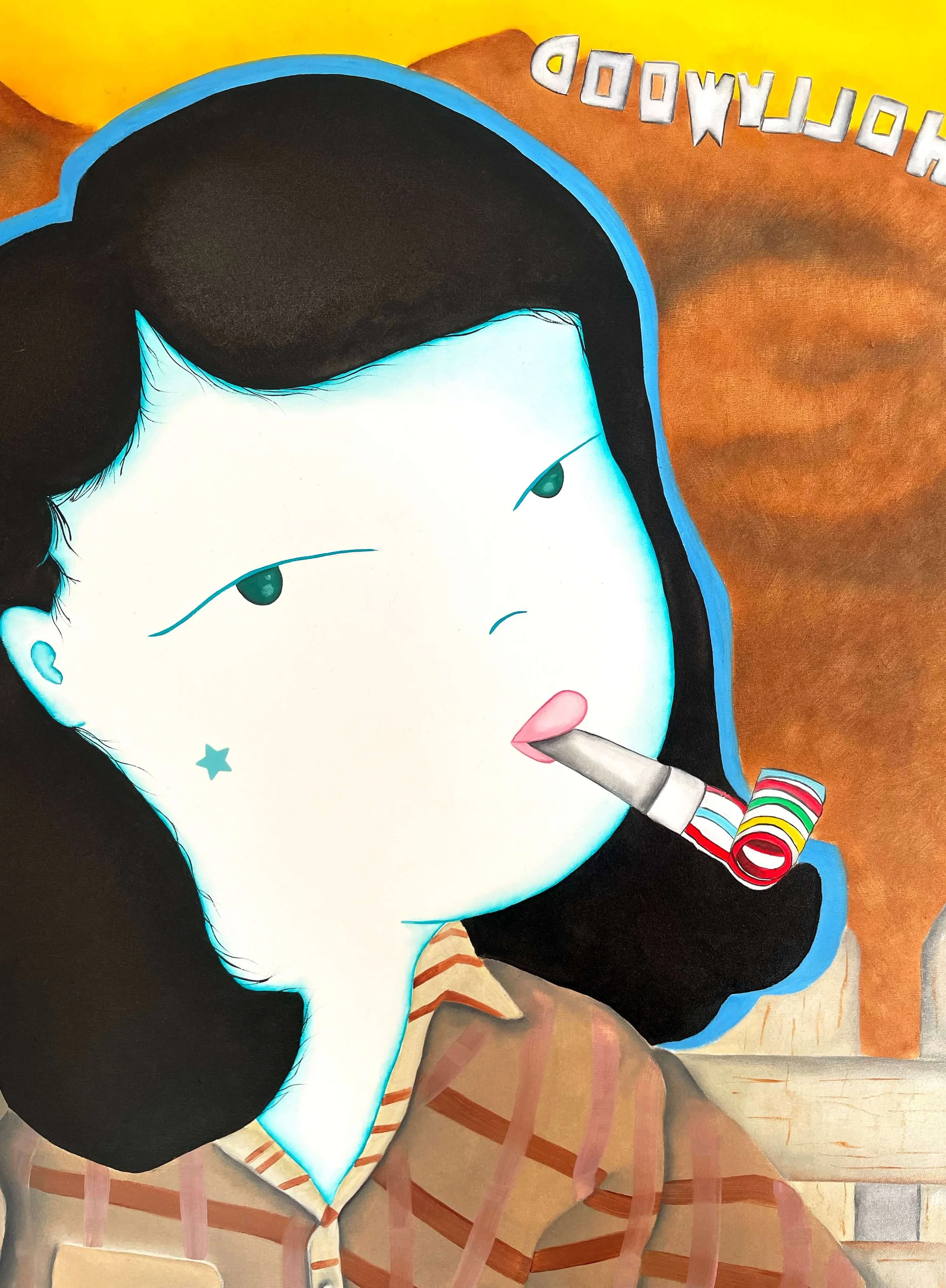
Dreams, travels, and everyday experiences are central to your imagery. What does your process look like for translating a fleeting moment or dream into a finished piece?
It almost always starts with a feeling rather than a perfect image. If I have a vivid dream or a striking moment while travelling, I'll immediately jot down a quick sketch or a few words in my notebook so I don't lose the emotion of it. From there, the process is about rebuilding that atmosphere. I don't try to replicate the moment perfectly; instead, I let my characters step into the memory and interact with it. By the time it becomes a finished oil painting or an animation, the fleeting moment has transformed into a story of its own.
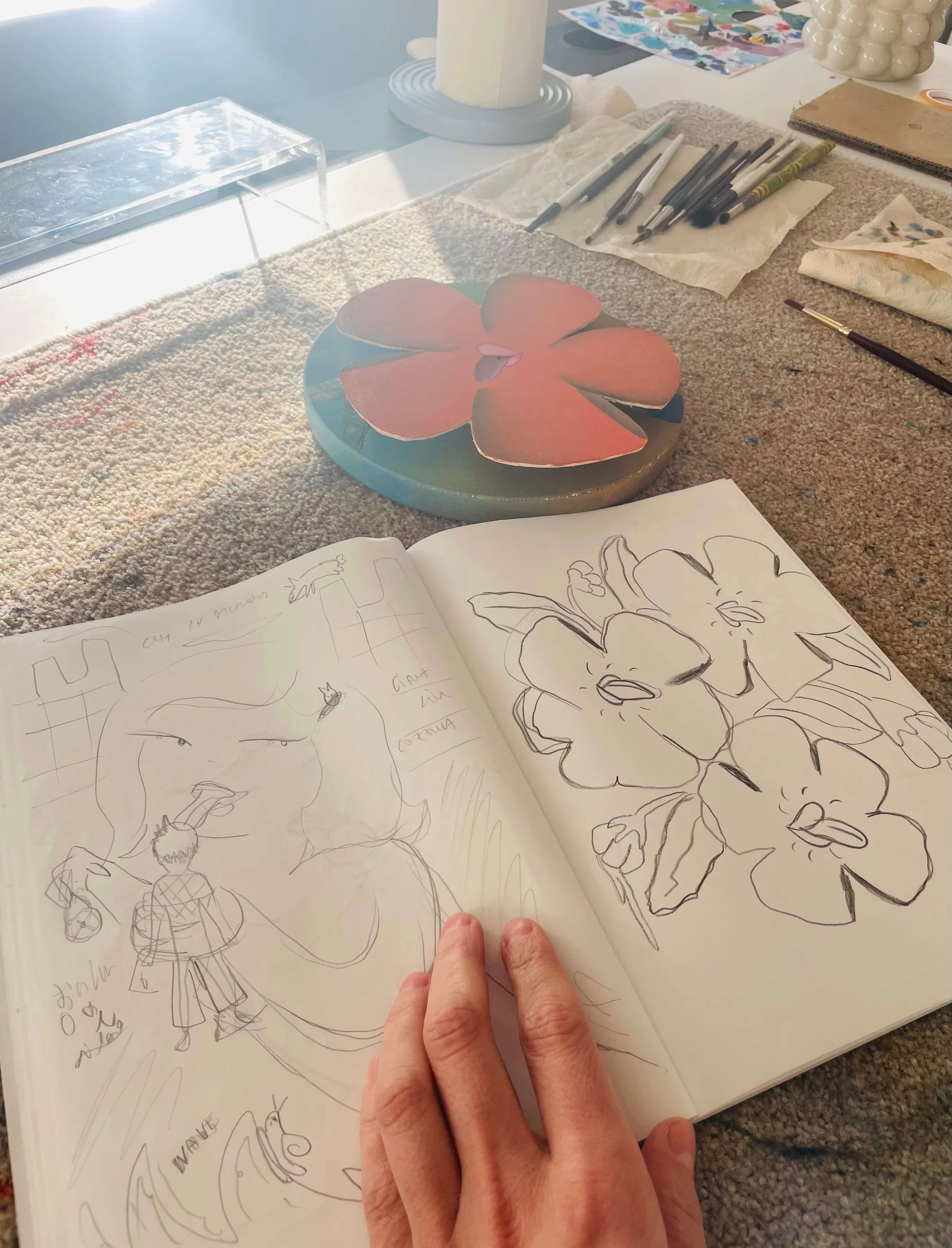
Having roots in Italy and experience living and working internationally, how have shifts in place and language shaped your visual vocabulary and themes?
Splitting my life between different cultures, from my roots in Italy to living and working internationally between places like the UK and Japan, has deeply impacted my art. When you change languages and environments constantly, you become highly sensitive to visual storytelling. You realise that a feeling or an expression can bridge gaps that words can't. It has made my work more global, but it also intensified themes of belonging, nostalgia, and what it means to create "home" wherever you are. My visual vocabulary became softer and more universal because it had to communicate across borders.
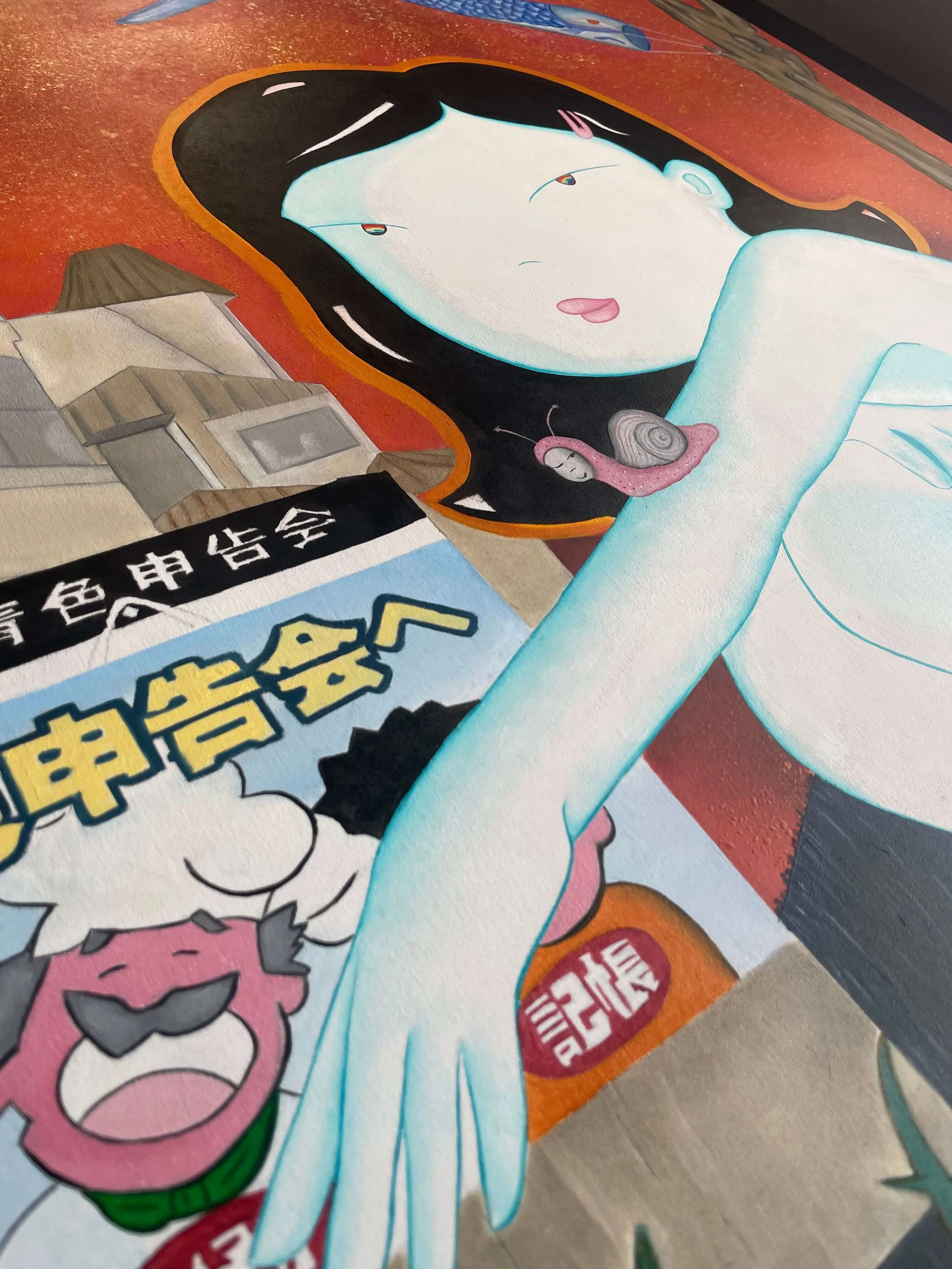
Many of your works balance a sweet or whimsical surface with more complex emotional undercurrents. How conscious are you of that tension when you're composing a piece?
It's very conscious, but it's also just how I view life. I think the human experience is inherently full of that contradiction; we find humour in sad moments, and a beautiful, sunny day can hold a lot of hidden melancholy. I like creating an accessible, whimsical narrative on a very carefully prepared, smooth oil-wooden surface because it acts as an invitation. The deliberate finish welcomes the viewer in and makes them feel safe. Then, once they look closer at the details, they start to notice the deeper, heavier emotional layers underneath. It's like a sugar-coated pill; the beauty of the oil work makes the deeper emotion easier to digest.
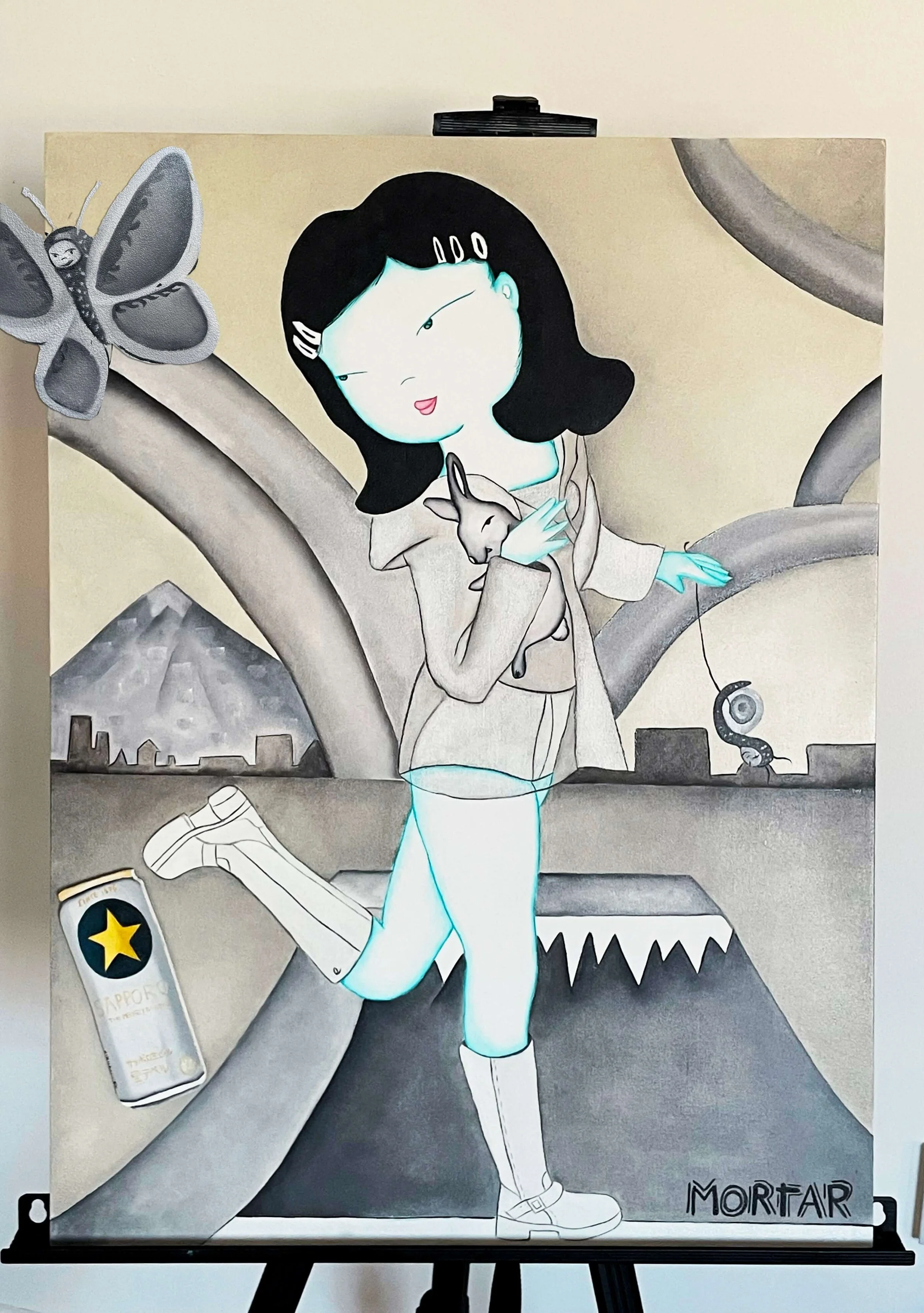
You've spoken about building a "dream studio" and expanding your practice globally. What have been some turning points in your journey so far, and how have they changed your vision for your work?
A major turning point was leaping to connect my animation background with physical, tangible objects moving from the screen into the physical world. Another massive milestone has been stepping out into the global art community, sharing my work internationally, and realising that my personal visual diary resonates with people thousands of miles away. Every time I push my boundaries, whether it's working with galleries abroad or preparing for new international showcases, it expands my vision. It makes me realise that my "dream studio" isn't just a physical place, but a global mindset where I can create without limits.
What are you most curious to explore next in your practice?
Right now, I am incredibly excited about pushing my characters into three dimensions. I've been experimenting with interactive figurines and prototyping sculptures that allow people to physically interact with my world, like using movable elements where the viewer can change the piece's posture or story. I'm also deeply curious about merging my love for fine art woodcuts with these new toy platforms, creating a bridge between traditional craftsmanship, animation storytelling, and tactile designer toys.