Standing in the Light: Anese Eun Cho on Lighthouses, Childhood Portals, and the Art of Finding Home
Anese Eun Cho is a multidisciplinary artist whose work explores the intersection of memory, imagination, and the search for a true sense of home. Her artistic practice spans large-scale installations, sculpture, and public art, with a focus on creating spaces that invite viewers into realms of safety and empowerment. Anese is best known for her "Lighthouse" and "Second Floor" series, two intertwined bodies of work that together reflect a journey toward reclaiming inner light and building a beacon of hope. "Second Floor" is a series inspired by her childhood space, a portal of imagination that she uses to help viewers rediscover their own sense of possibility. "Lighthouse" extends this concept outward, turning inner strength into a physical symbol of protection and guidance. Anese's work has been exhibited internationally and is celebrated for its ability to blend personal narrative with universal themes of belonging and home. Through her art, she invites all of us to find our own safe havens and to become lighthouses for one another.
Artist Statement
"Lighthouse" and "Second Floor" Series
Both my "Lighthouse" and "Second Floor" series are deeply rooted in a personal and universal quest for a true sense of home. They are about the longing for a place of safety, empowerment, and limitless possibility, about finding a real home. "Second Floor" is my return to a portal of limitless imagination. It is not just a memory of a childhood space, but a way to reclaim the feeling that everything is possible right now. As I once wrote, "This was the unoccupied second floor of my childhood home, my portal to wonders waiting to be discovered." It is about stepping back into that space of pure possibility and bringing that power into the present. "Lighthouse" transforms that reclaimed inner potential into a guiding beacon of light. As I've described before, it is a symbol of protection and a safe haven. Both series reflect my search for a real home, a place where we can stand as lighthouses for ourselves and each other. In combining these series, I invite you to join me in this journey of reclaiming that inner light and sharing it with the world. Let us find our true homes and become beacons of possibility together.
www.aneseart.com
Interview
Your Lighthouse series has been installed internationally and now permanently at the SWCAC Museum in Shenzhen. What does it mean to you when a work finds a permanent home in the world?
When a work like Lighthouse finds a permanent home, it means that people have an enduring space to gather and feel seen. For me, it's more than just having art on display; it's creating a place where people, often carrying unspoken scars, recognize that they're not alone. Under the glow of the Lighthouse, they connect without words, and that sense of shared presence can alleviate some of the weight they carry. Knowing the work can foster that kind of connection makes me deeply grateful. In that shared space, it's not just others who find comfort, I do, too.
You describe the Second Floor as a portal to limitless imagination rooted in a childhood space. How does revisiting that personal memory translate into a physical experience for viewers who have never shared it?
The Second Floor is rooted in my childhood, but it's not about recreating my specific memories. It's about the feeling of endless possibility that many of us remember from childhood. When an artist pours emotion and imagination into a piece, something special happens, viewers feel it. They don't need to share my exact memory. It's like The Starry Night by Van Gogh, none of us were there, but we all feel that swirling energy and emotion. In the same way, viewers do not need to enter my exact past. They connect to the sense of wonder, hope, and imagination within the work, and somehow that feeling transfers to them.
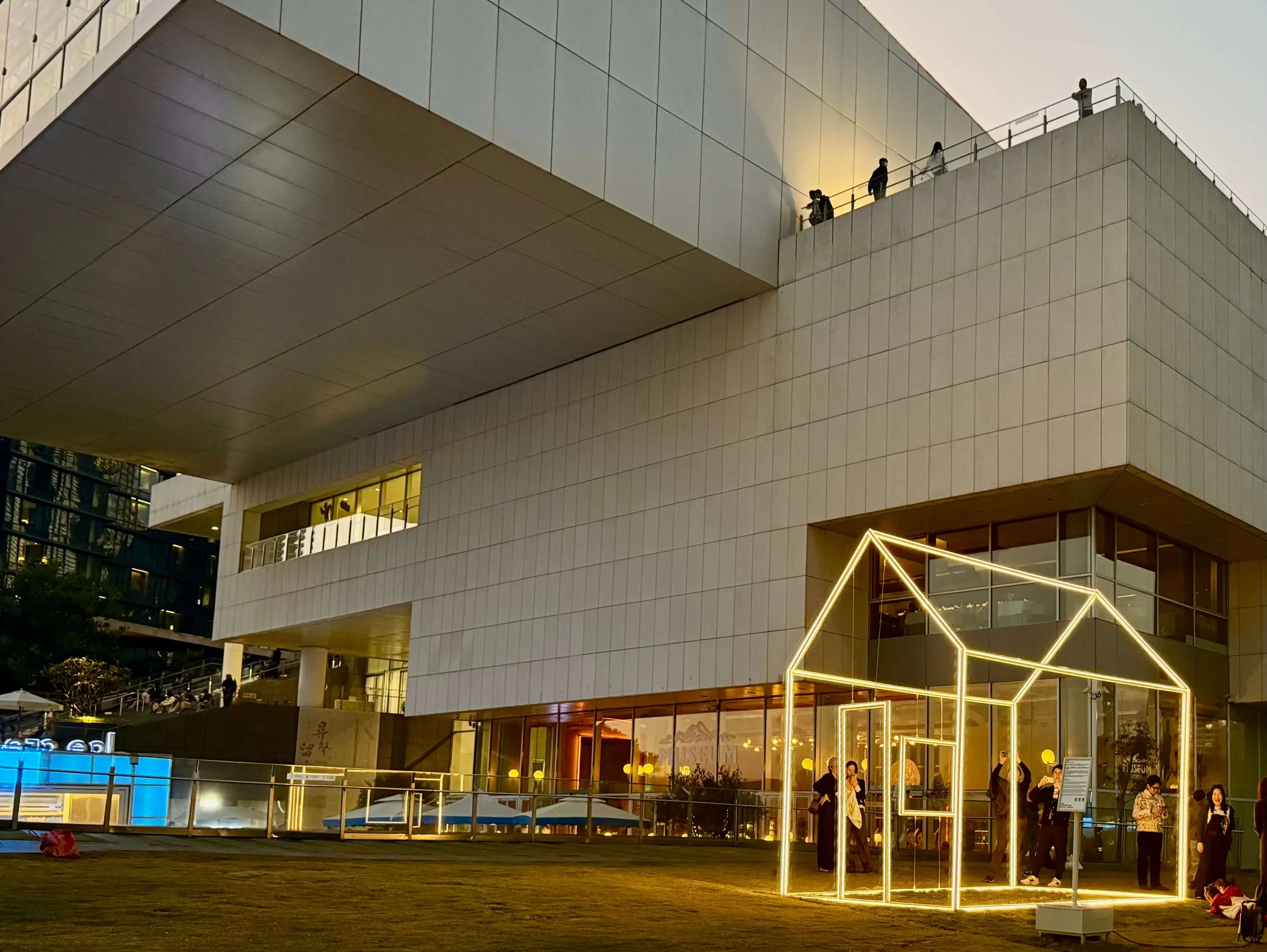
You work across installation, sculpture, and public art. How do you decide which medium best carries a particular idea?
For me, the medium often reveals itself with the inspiration. It's almost like I'm receiving the idea fully formed, with a sense of scale and material. I often visualize the work before I begin. In that way, I follow the idea's lead.
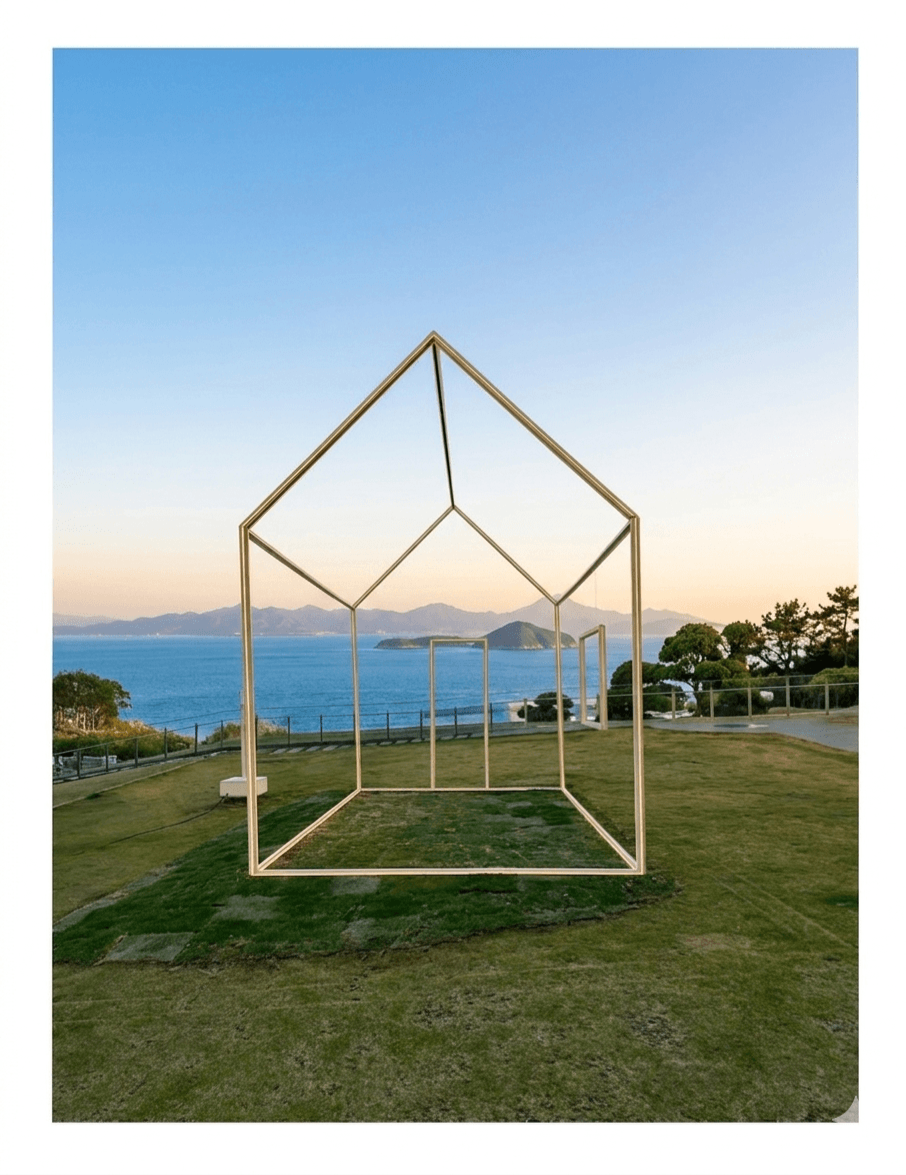
Light is central to your work as both material and metaphor. What drew you to it as your primary language?
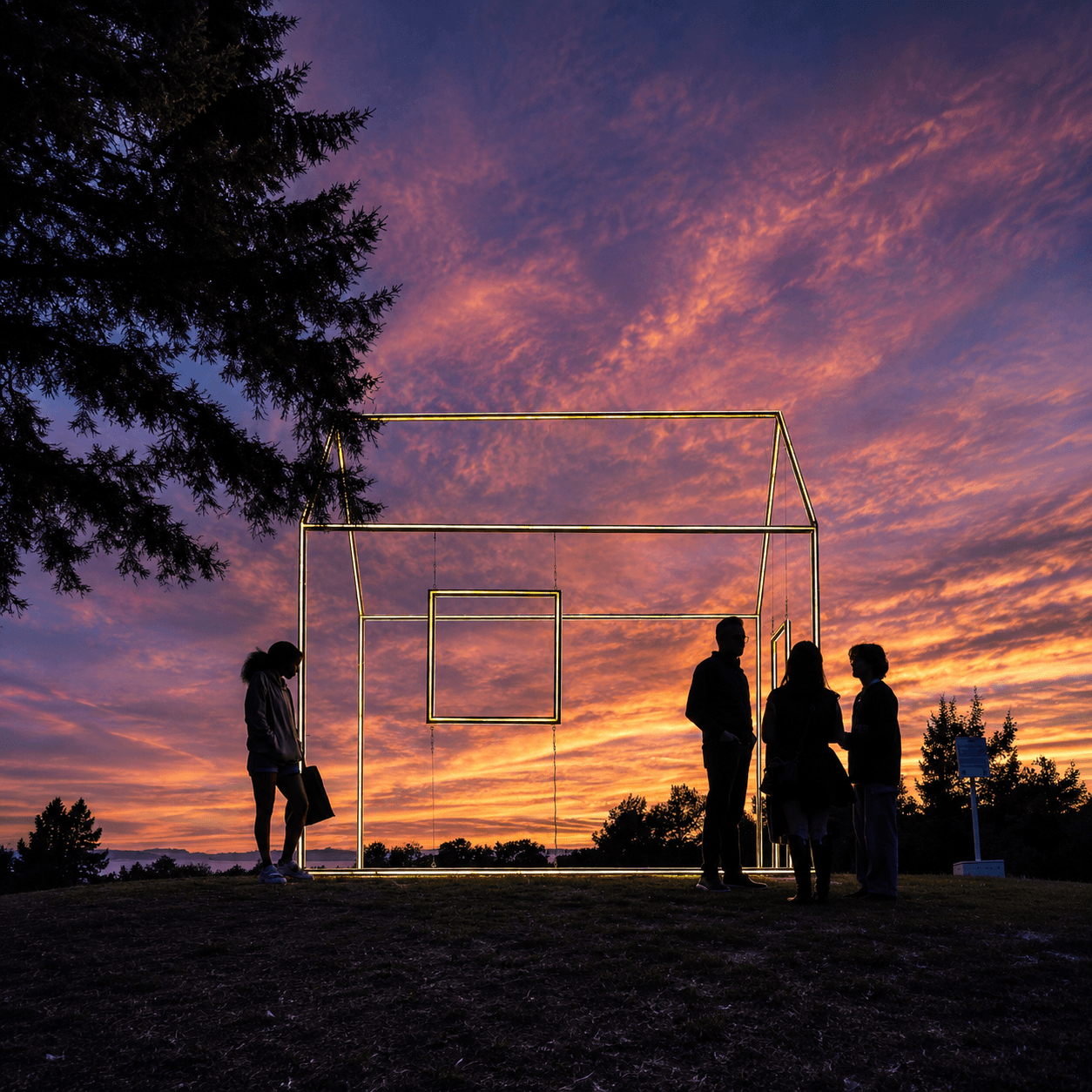
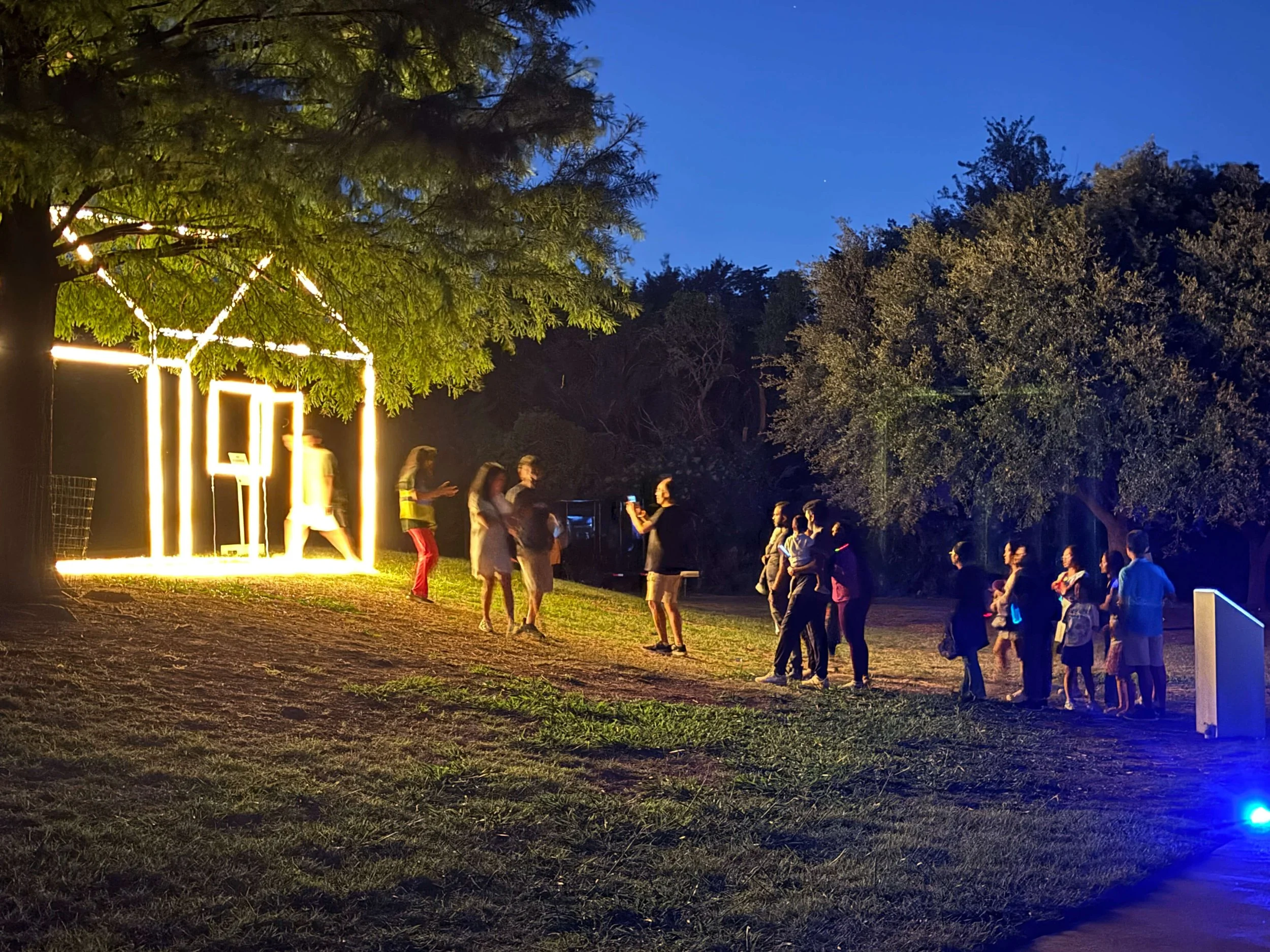
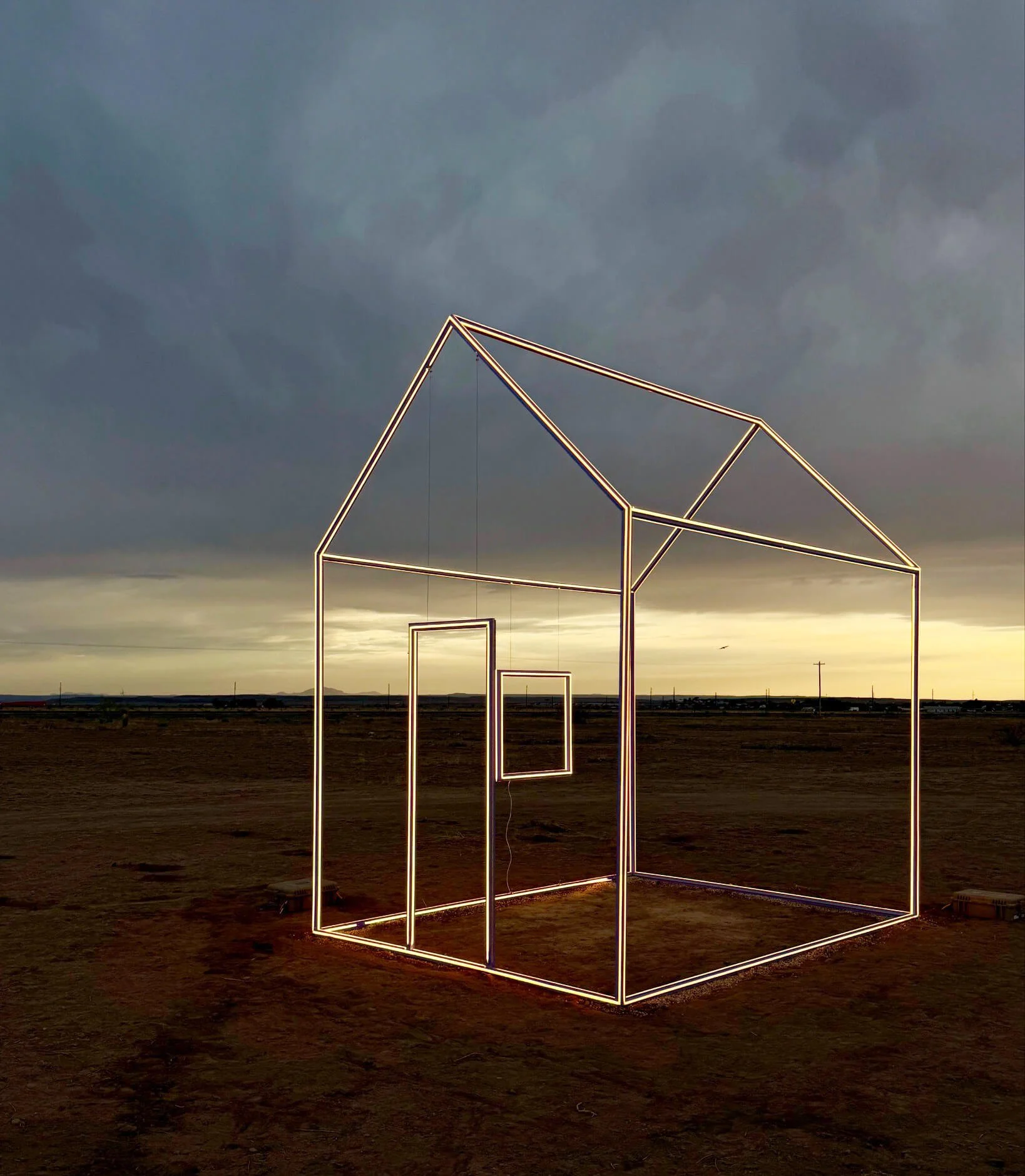
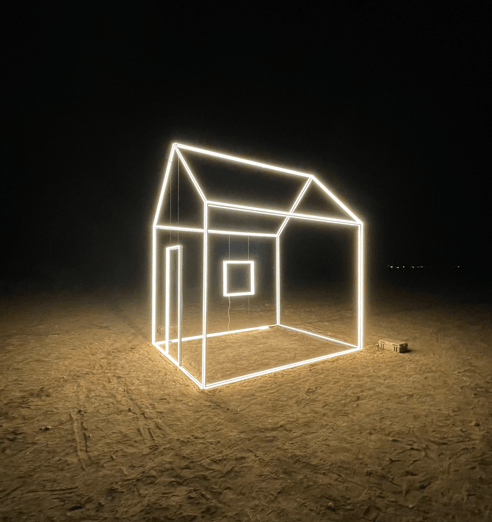
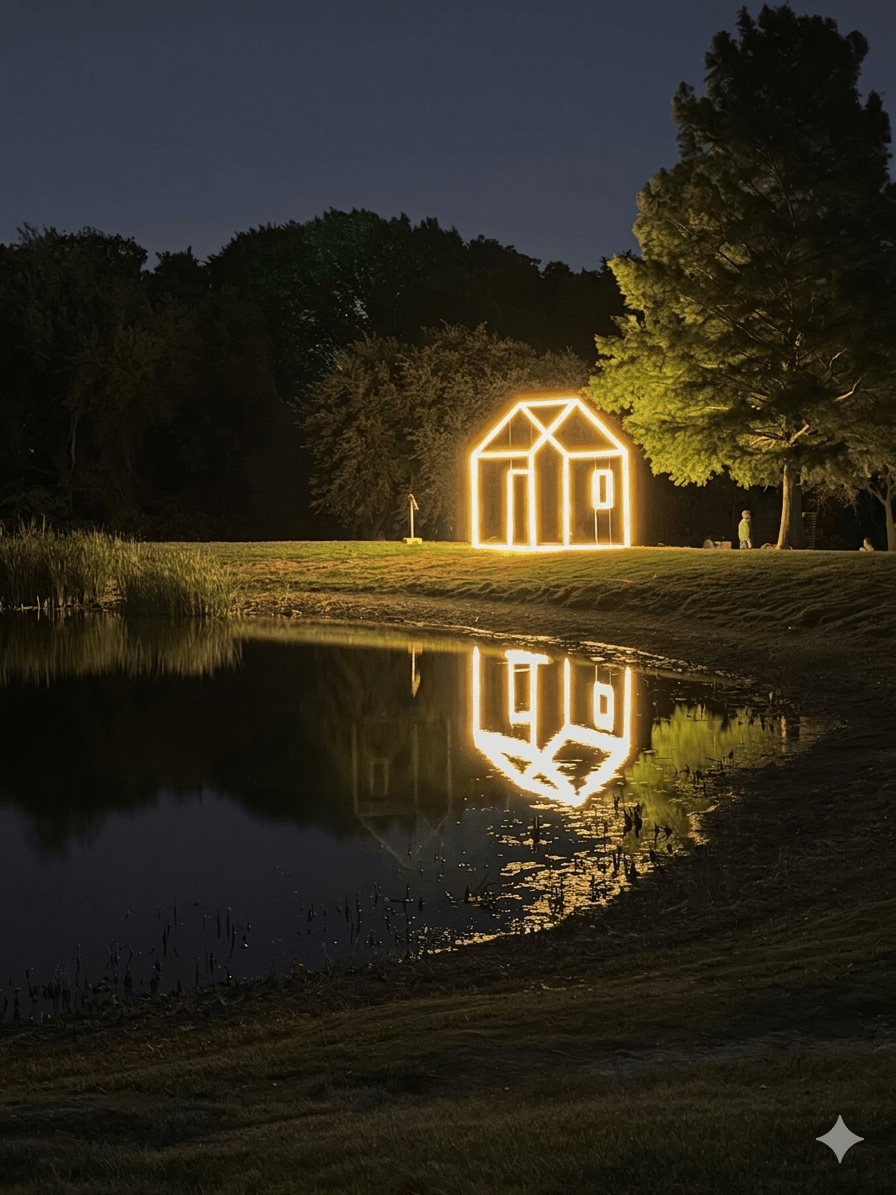
I'm drawn to light because it's a shield against harm and darkness, it offers protection. I chose not to use walls because walls hide. With light, we are fully visible, present and safe. The Lighthouse is lines of light forming a home shape, and that light creates a shield, no negativity gets through. It's a space where we're not hiding, but we are protected by light itself.
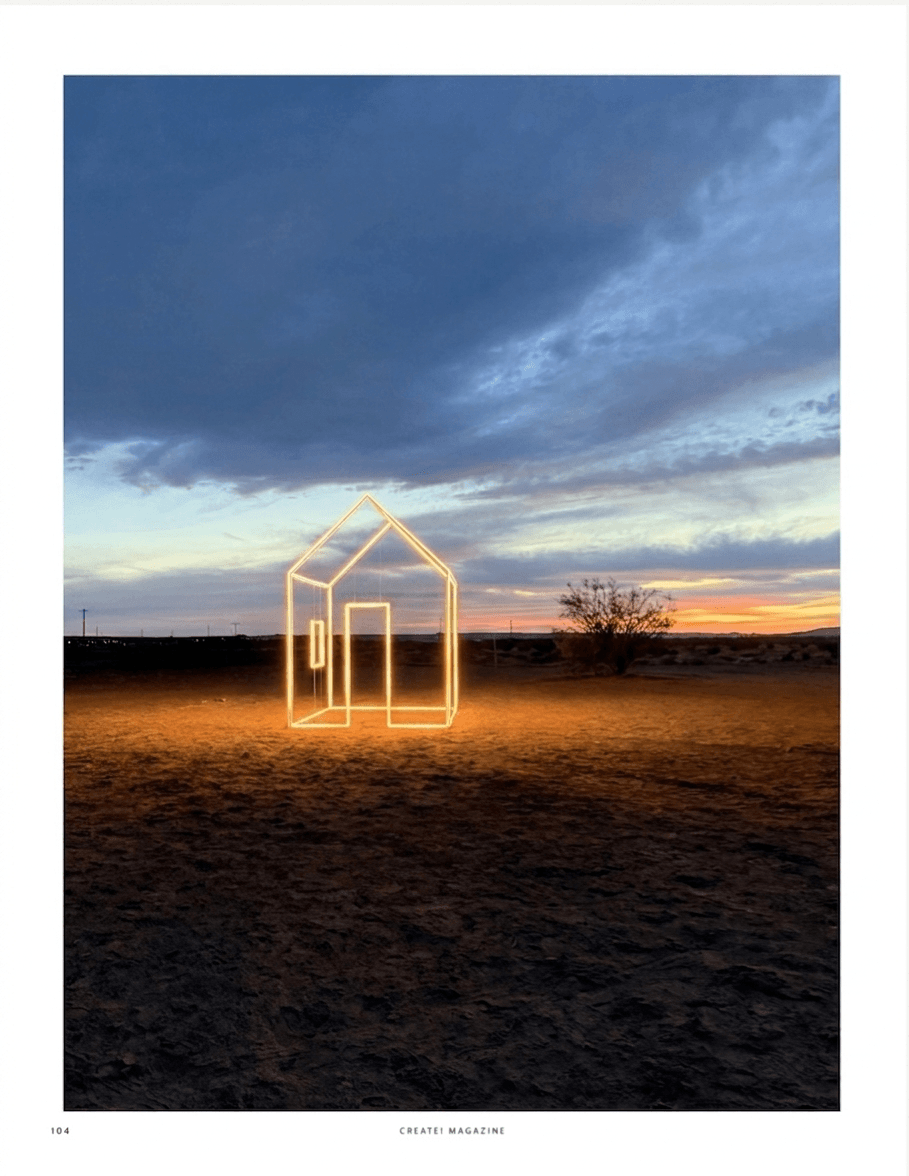
Your practice speaks of the lotus, transforming pain into something that gives others energy and hope. Can you share a moment when a piece genuinely surprised you in how it transformed a difficult feeling?
A quote by Osho deeply resonated with me, he said only love makes one creative. I create from love, even when I'm struggling, to give others that glimpse of hope. All my work aims to give something positive, even when I've experienced pain. I create from a place where, even if I'm in despair, I want to offer hope to others. I want to give them that glimpse of light, that power to move forward, day by day. My Path series speaks to hope at the end of the tunnel. The Second Floor was my childhood escape, where everything was possible, now I create to reclaim that power of possibility. Even my Box series evolved, where light breaks free, it can't stay hidden.
But what surprised me most was the Lighthouse series. I received messages from people, some who spent nights watching it until sunrise, some visiting for days in a row. They shared deeply personal stories, often painful ones they had never spoken about. Men, in particular, who rarely share, found a space to open up. Seeing them begin healing through that connection moved me deeply. That was when I truly saw my art transform pain into hope, not just for them, but for me too.
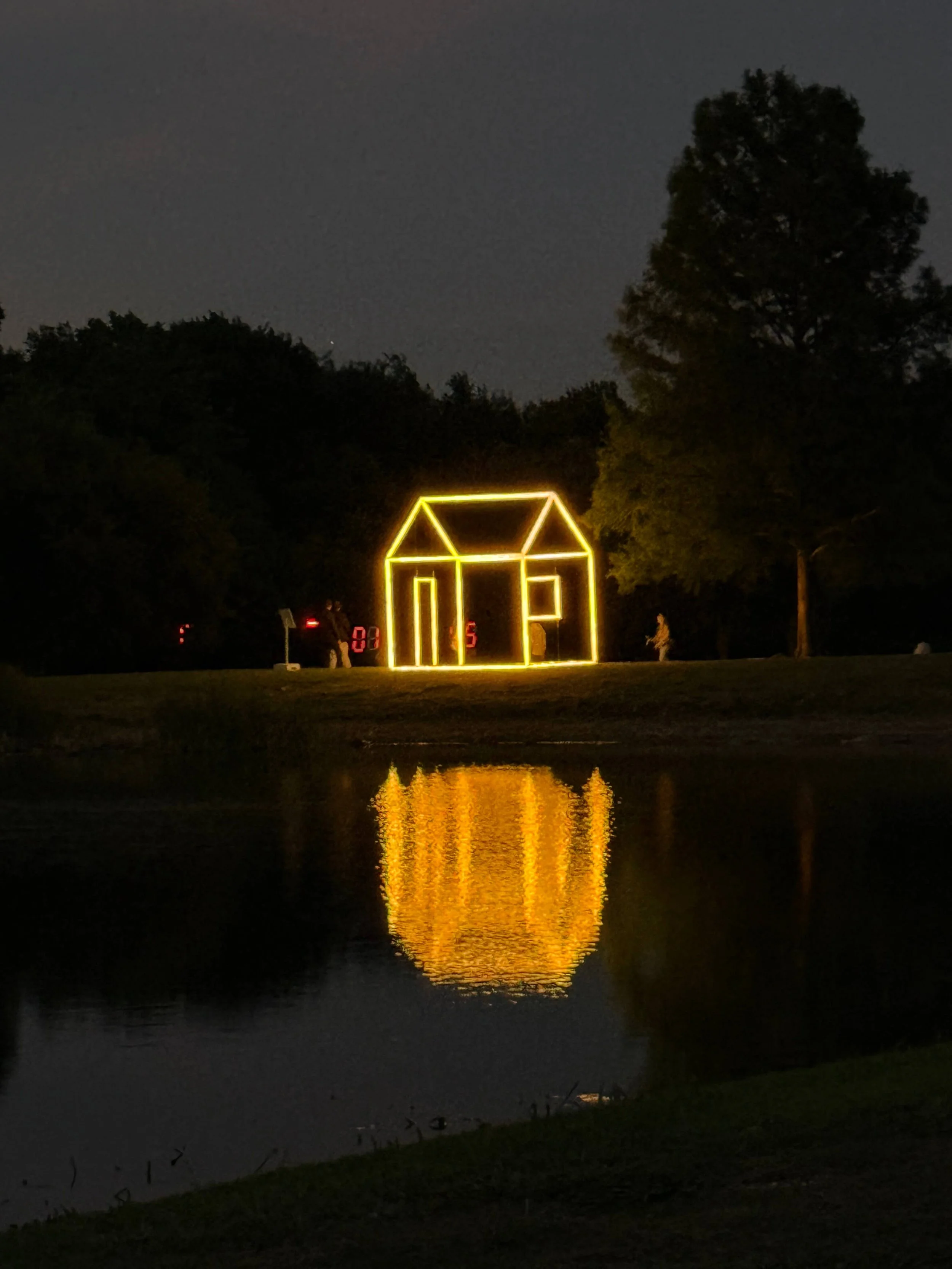
You have described yourself as a wanderer, a dreamer, and a student. How do those identities coexist in the studio?
In the studio, my identities as a wanderer, dreamer, and student intertwine naturally. As a wanderer, I've moved often and never quite felt I fully belonged anywhere. I'm accustomed to being an outsider, observing society rather than fully embedded in it, and this distance helps me see things differently. As a dreamer, I look beyond conventions, I'm not driven by typical values, like certain possessions or status. Instead, I envision possibilities. And as a student, I'm always humble, aware that I don't know everything, and I have a hunger to keep learning. Together, these identities fuel my work, I'm searching, dreaming, and always growing.
What are you most curious to explore next in your practice?
I'm most curious to push the boundaries of scale and immersion. With Glowing Path, I'm envisioning over 200 feet of light stretching far into the distance, almost like seeing a life journey laid out. I'm not just creating it to show others; I want to stand there and see it with my own eyes, to feel what scale can do. And with Levita, I'm exploring how light and sound come together in a large sculpture, wondering how that changes what we feel. Both are about reaching further, seeing how far the work can carry us, and what I can give in return.