Matthew Carver
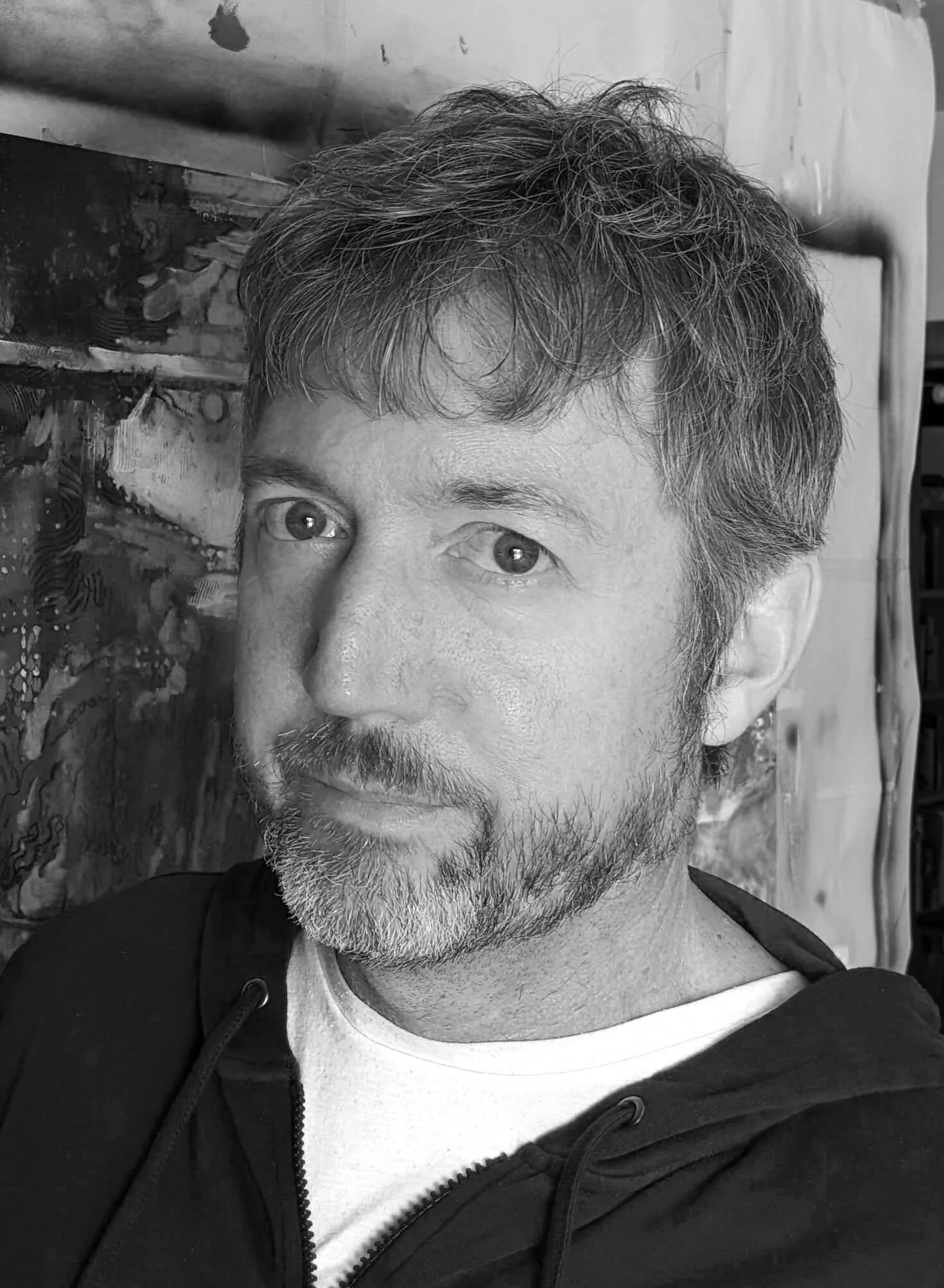
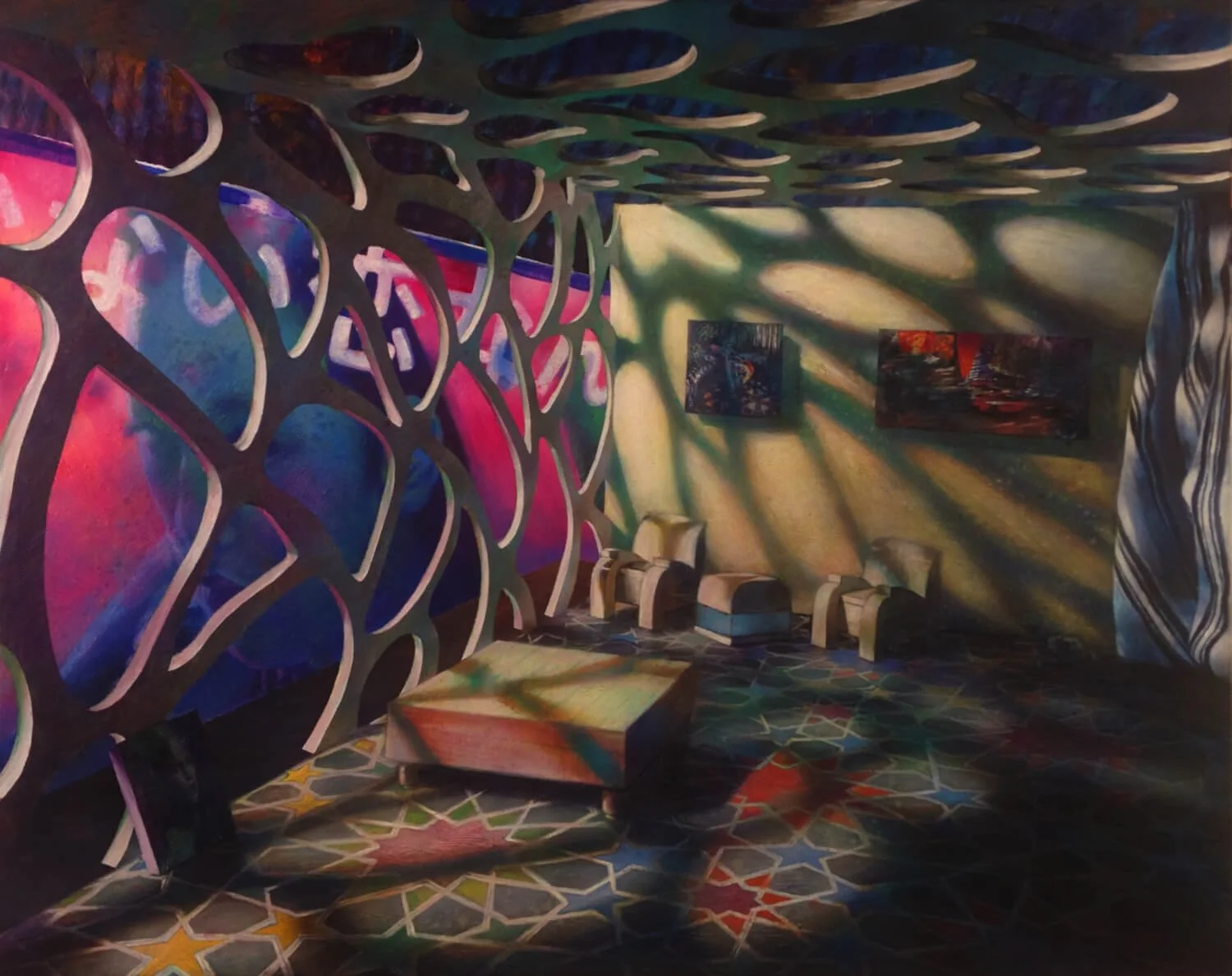
Matthew Carver holds an MA with Distinction from the Chelsea College of Arts, University of the Arts London, and is a recipient of the RBC Painting Prize. With solo and group exhibitions across Europe, Asia, and North America—including the 12th Cairo Biennale, the Prince Takamado Gallery at the Canadian Embassy in Tokyo, and the Art Museum of Nanjing University of the Arts—his work resides in prominent international collections. In Canada, he is represented by the Christopher Cutts Gallery. Once known for large-scale paintings of distorted, light-drenched cityscapes, Matthew painted amid the pulse of Berlin, London, and cities across Asia. Now, having retreated from urban intensity, he works from a home studio in the small town of Paris, Ontario—pivoting toward narrative and world-building through graphic novels. In February 2025, the Christopher Cutts Gallery presented Koi Cafe Time Slip: his debut graphic novel, published in a limited first edition of 100 copies, alongside large canvases and over 100 works on mounted paper. Matthew is currently developing the sequel, Ghost Lemur Alley, weaving new stories through drawing and paint.
Artist Statement
Hyperstition is the idea that imagination and belief are active forces, where fictional or speculative narratives can shape and even create their own reality. It’s a feedback loop in which the line between fiction and fact blurs, with stories and myths influencing the world in unexpected, often unsettling ways. Blending science fiction, conspiracy, and philosophy, hyperstition shows that the narratives we tell are not just reflections of the present, but forces shaping the future.
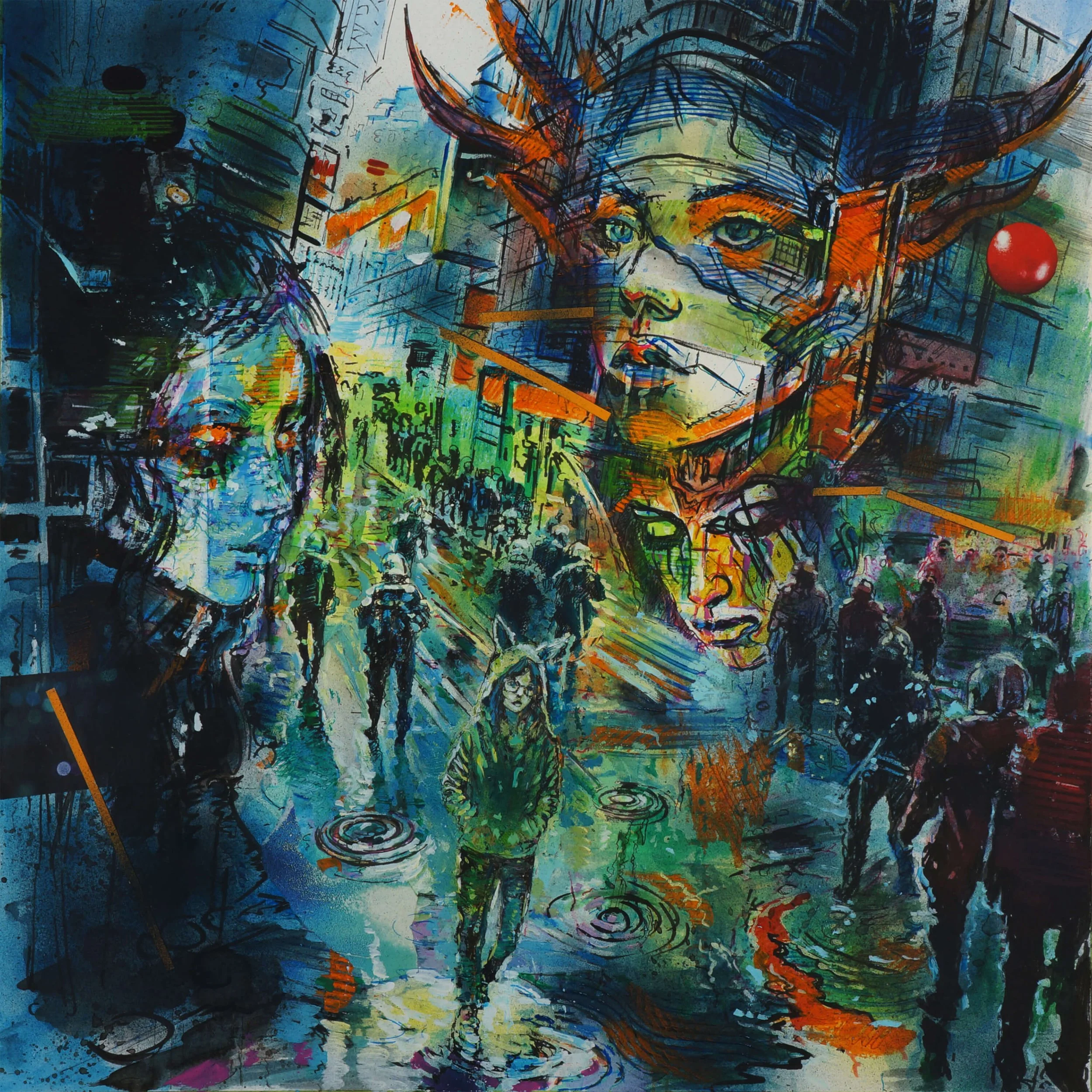
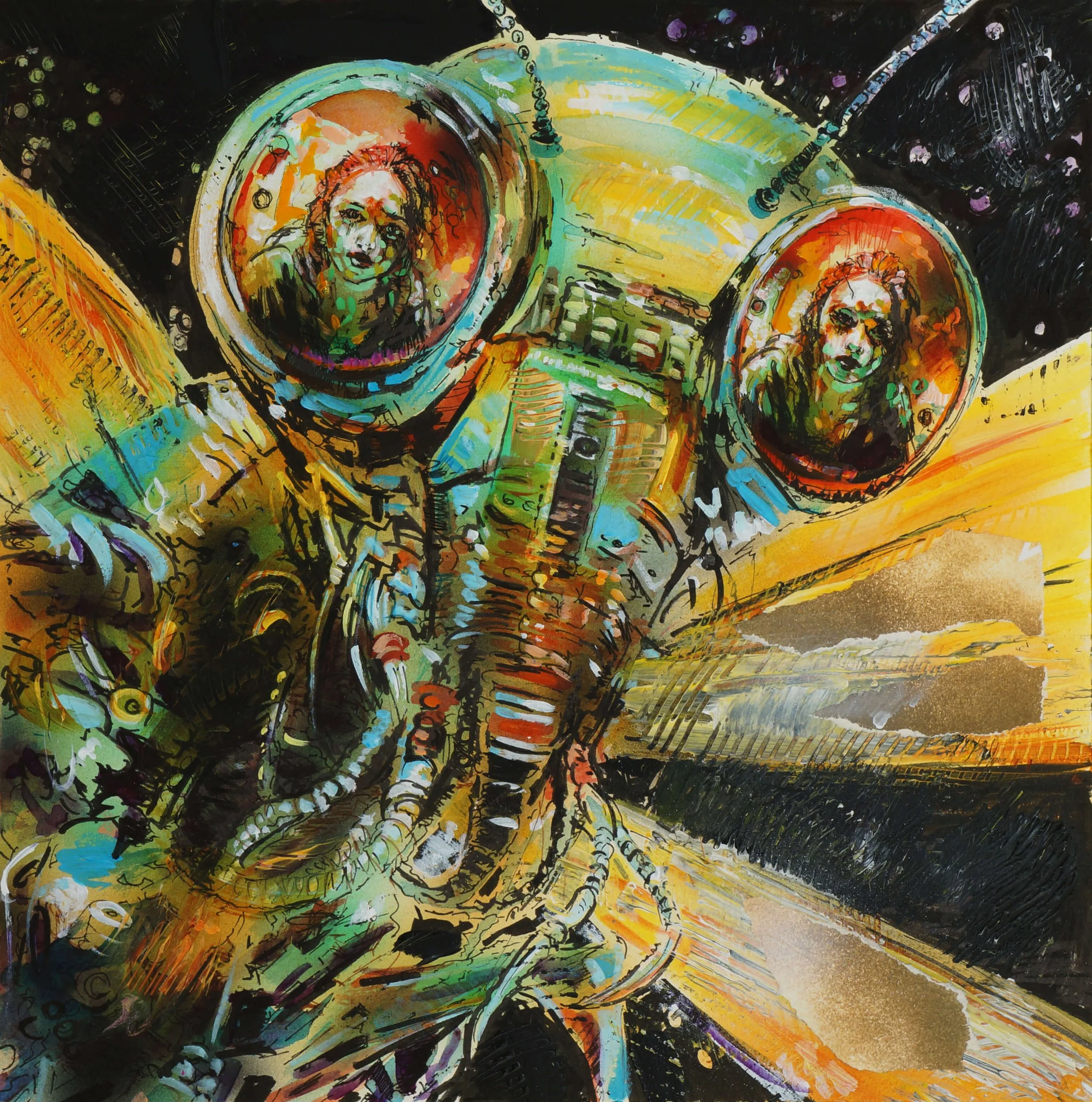
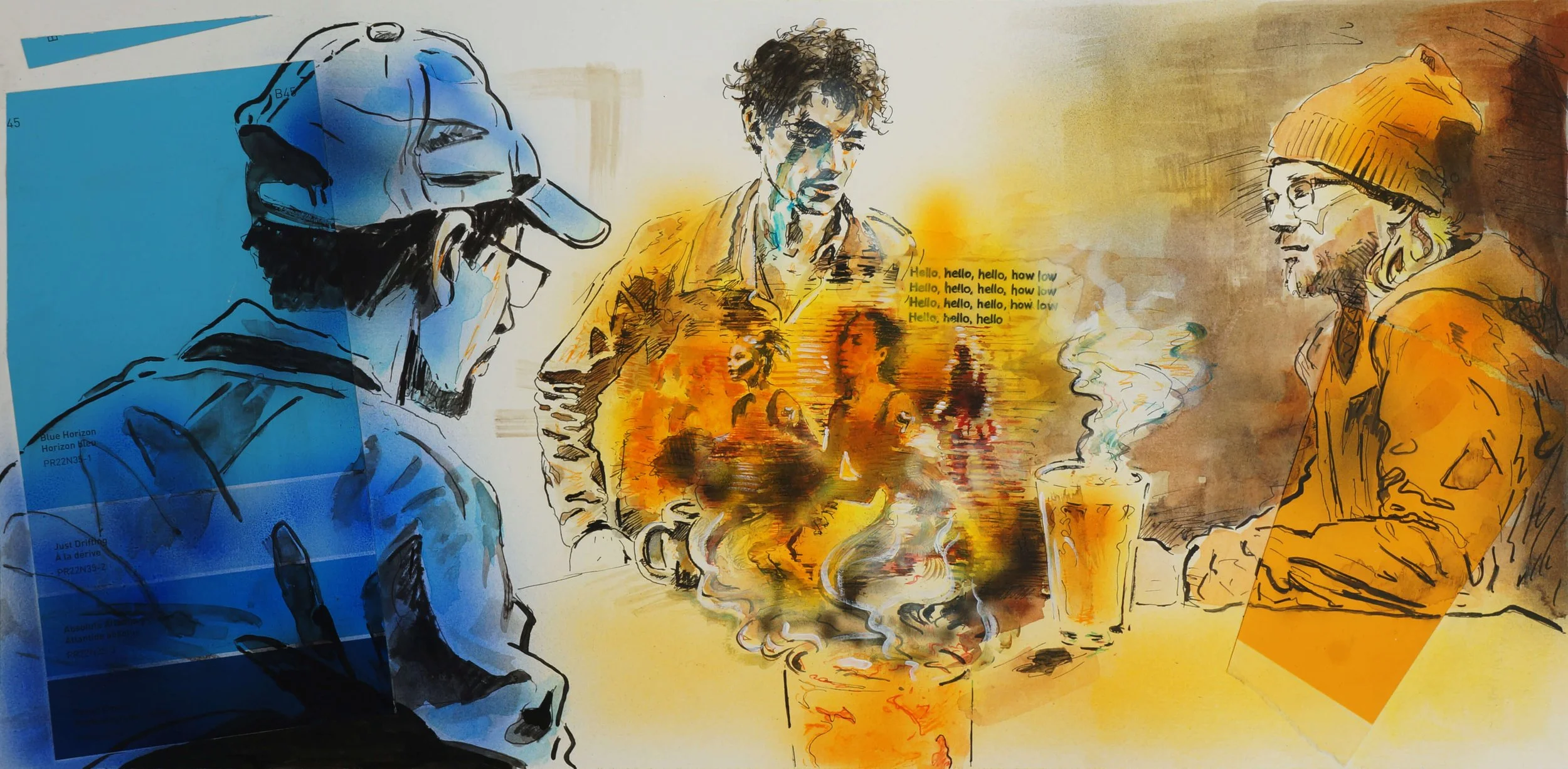
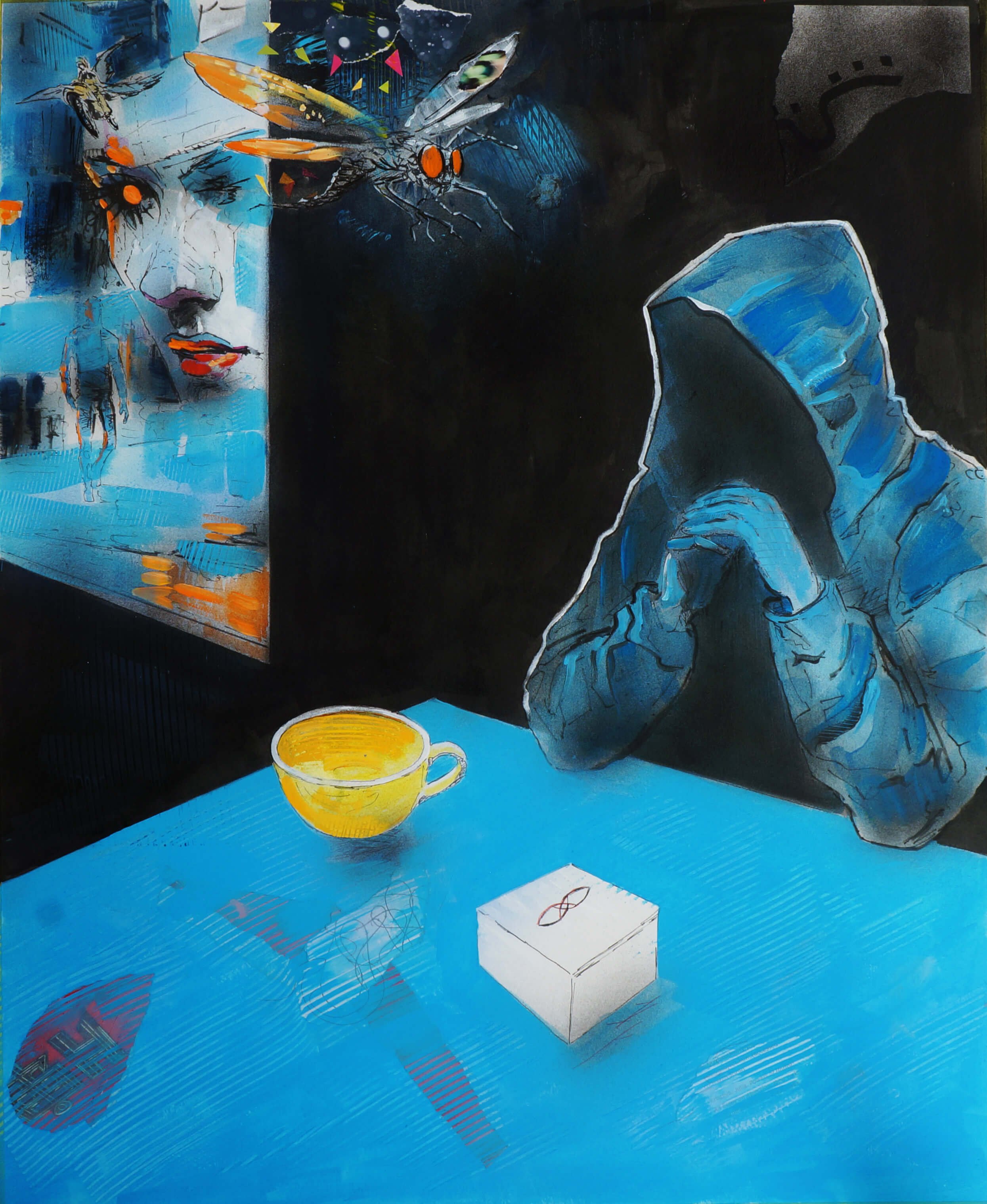
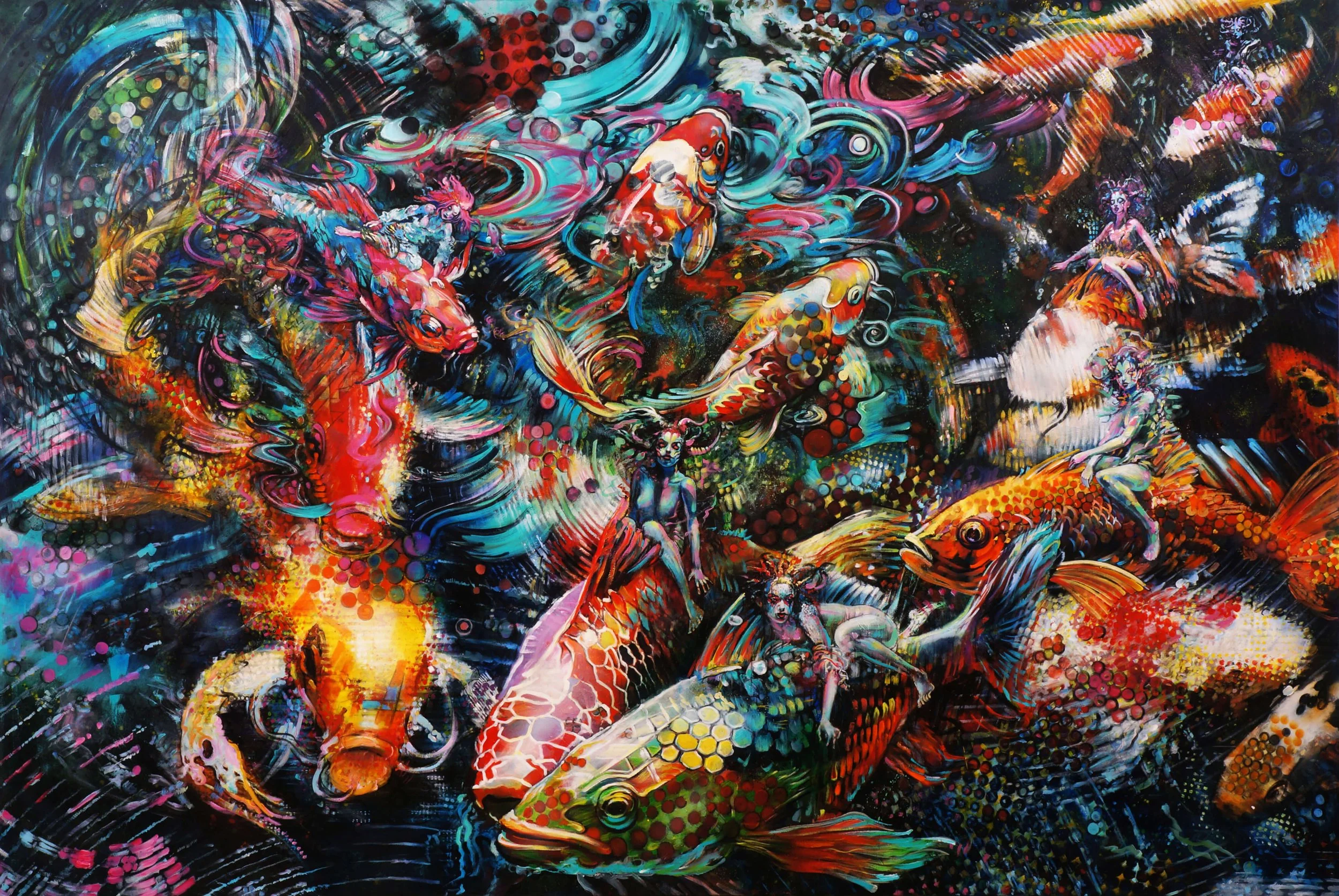
In Koi Cafe Time Slip, a small group of friends gather in a coffee shop set within an alternative, cyberpunk Toronto to take stock of recent adventures that were meant to save the life of John Lennon and help coax Nirvana’s “Smells Like Teen Spirit” into existence. In the short span of 60 pages, we are introduced to a world of possible time travel, AI, and alternate realities. Despite its seemingly light, pulpy tone, the story subtly references a range of influential and often controversial cultural figures and theorists—such as the Riot Grrrl movement, Andrea Dworkin, Carol Adams, Sigmund Freud, Edward Said, Al-Khwarazmi, Nick Land, and the CCRU.
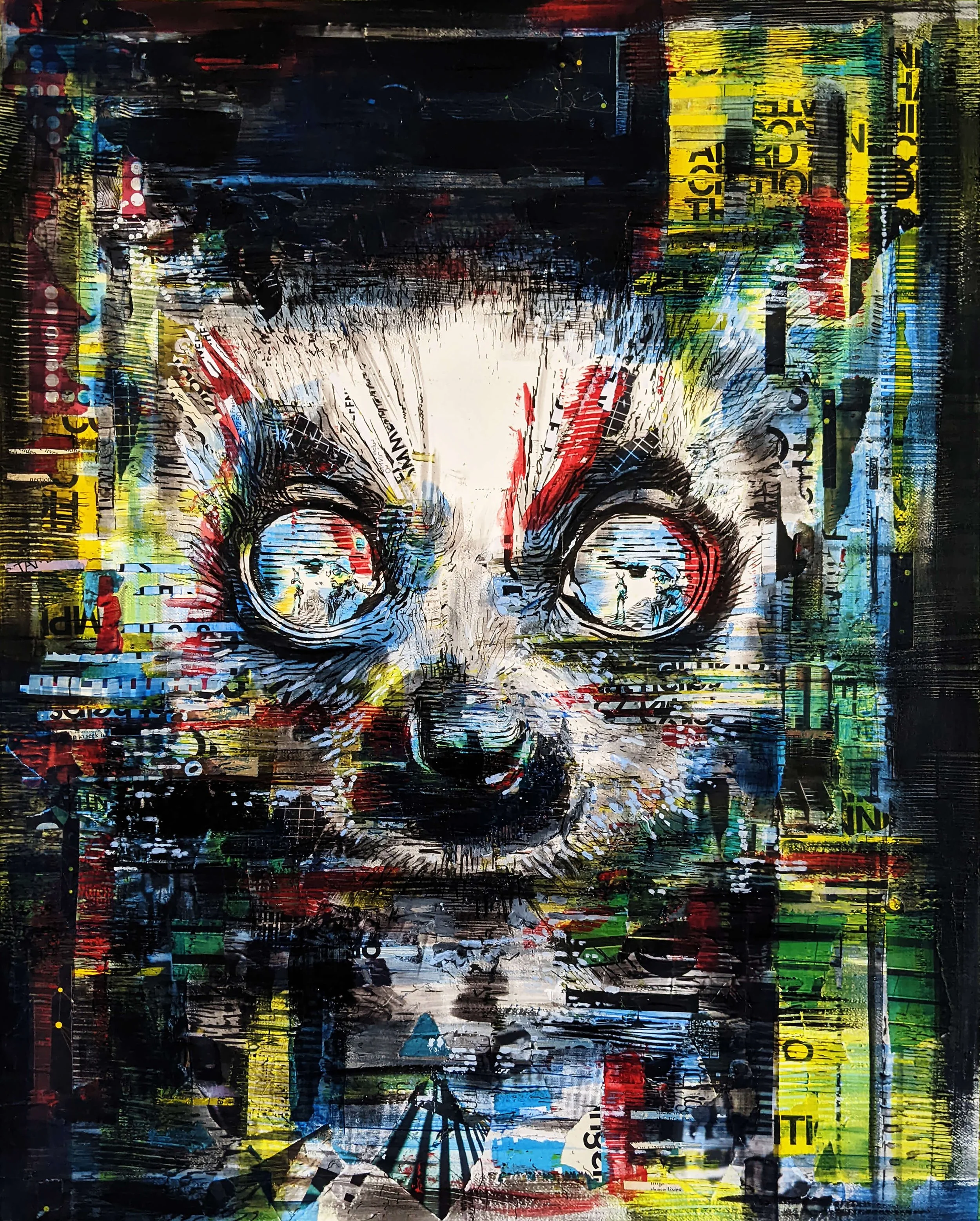
In Ghost Lemur Alley, the tone gets a little darker with two of our characters making their way into an alleyway, soon to encounter ghost lemurs, riddles, and portals.
www.matthewcarver.net