

Painting Slowed Perception: Interview with International Contemporary Artist Katrin Rymsha
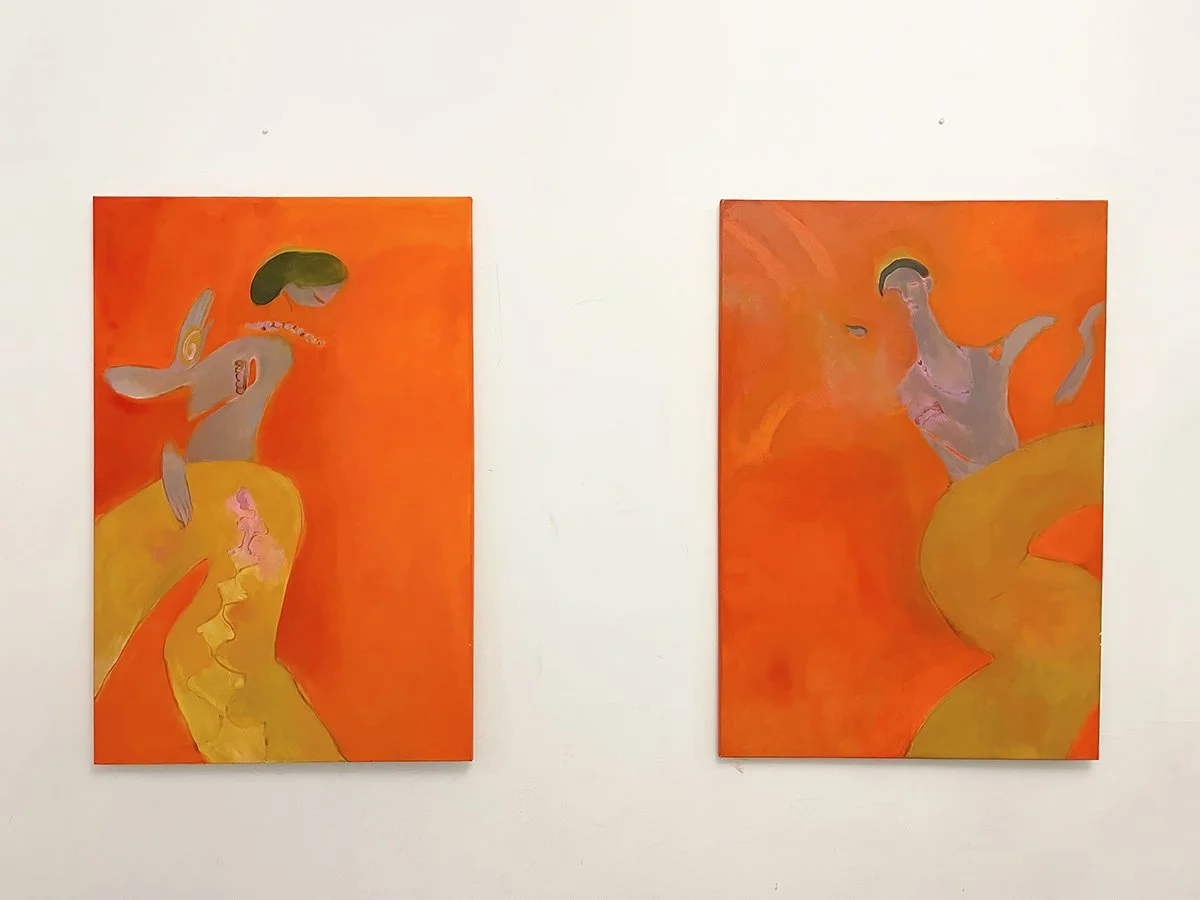
Katrin Rymsha is a Russian-born artist whose practice bridges symbolism and abstract figurative painting through a distinctive and expressive use of color. Born in Siberia and educated at the Novosibirsk State University of Architecture, Design and Arts, she has exhibited internationally across Europe, the United States, and Asia. Her work is held in private collections worldwide and has been presented in museums in New York and St. Petersburg.
Shaped by extensive travels across Asia, and in particular a stint living in India, Rymsha’s work explores themes of time, memory, and cultural continuity. Drawing on ancient civilizations and symbolic forms, she creates emotionally charged paintings in which color, shape, and gesture invite reflection on the connections between past and present. In this interview, we discuss the influences behind her work, the role of travel and cultural encounter in her creative process, and her ongoing exploration of symbolism as a language of meaning and continuity.
Your practice moves between figurative and abstract painting, with color functioning as a central conceptual element. How would you define the core artistic concerns of your visual language?
At the core of my artistic practice is an exploration of time and the ways in which the past continues to exist within the present, shaping how we perceive the world. I am deeply inspired by ancient civilizations and the cultural heritage of earlier societies. Through engaging with their legacy, I find answers to questions that matter to me and experience a sense of continuity between different periods of human history.
In my work, I often draw on symbols, signs, and archetypal forms that have endured across centuries. I am fascinated by how ancient meanings remain alive within us and continue to resonate in contemporary life.
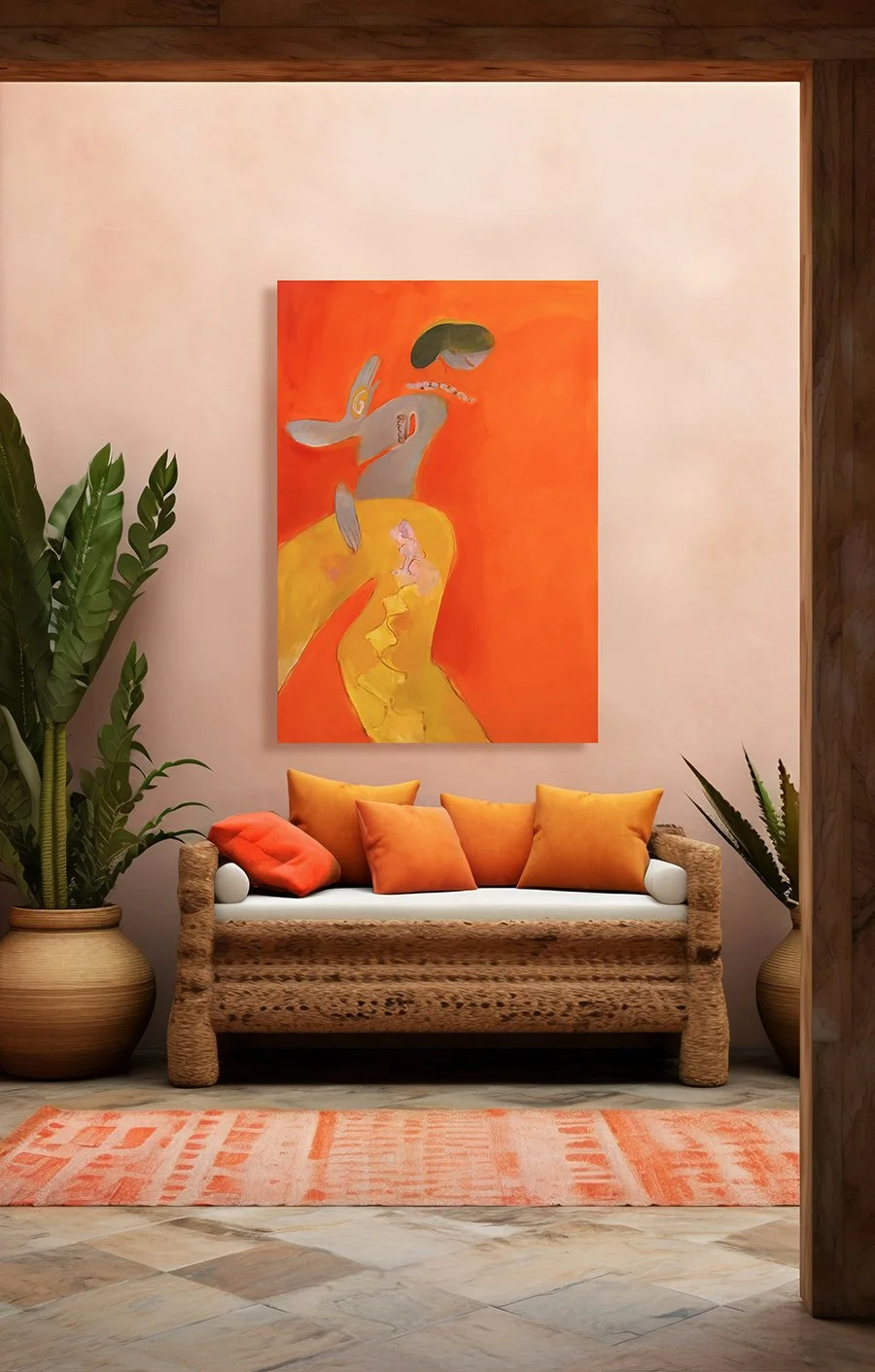
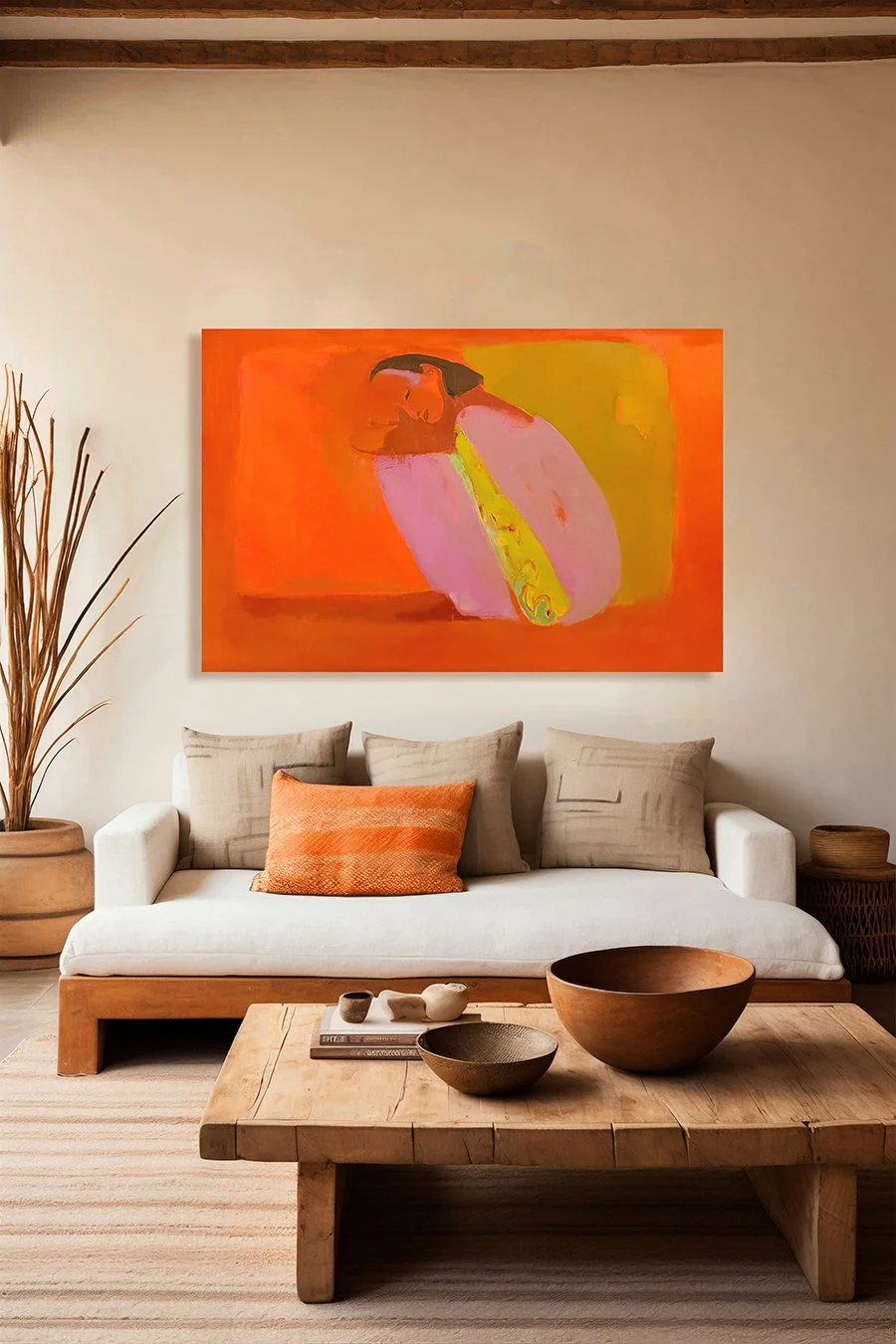
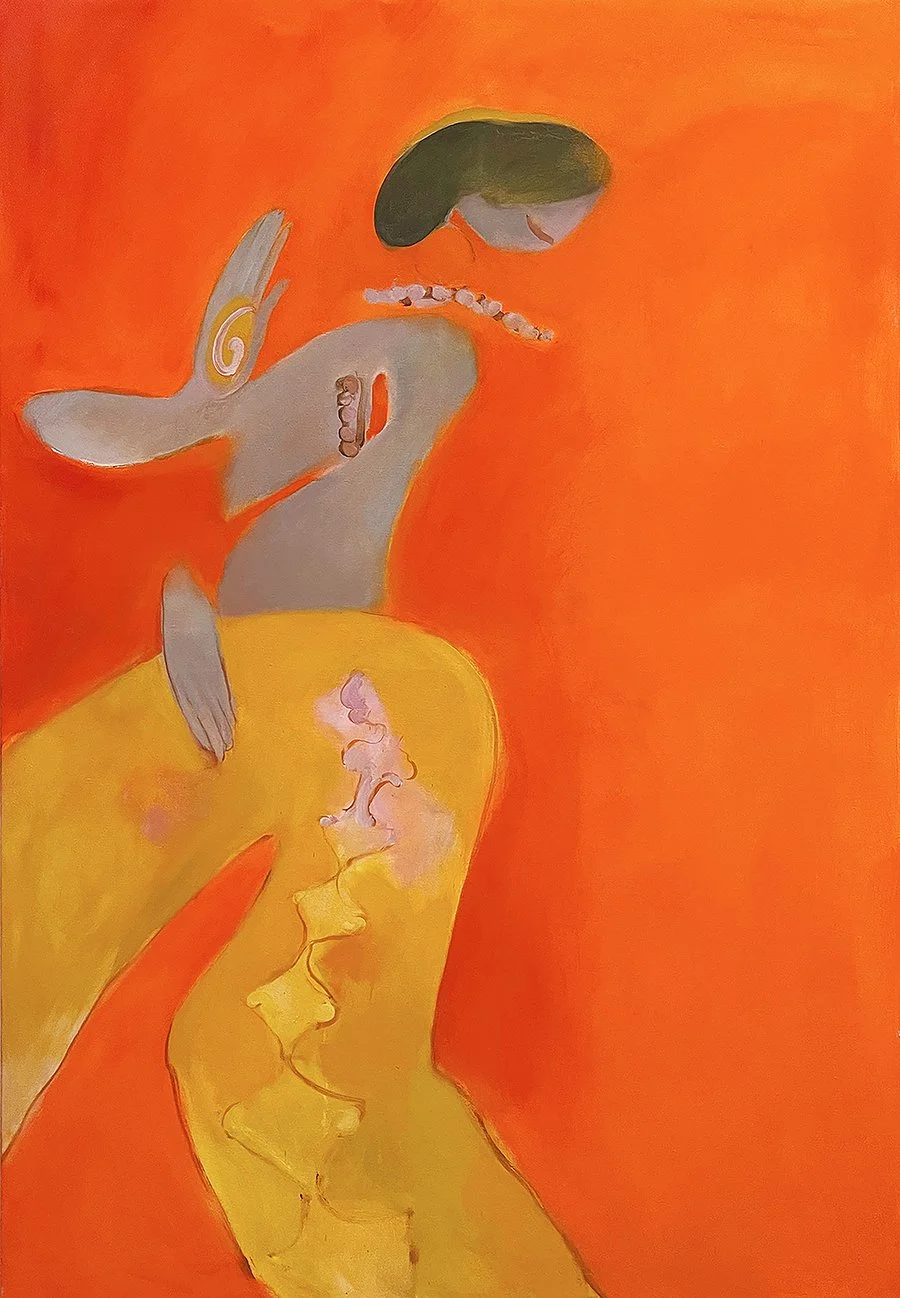
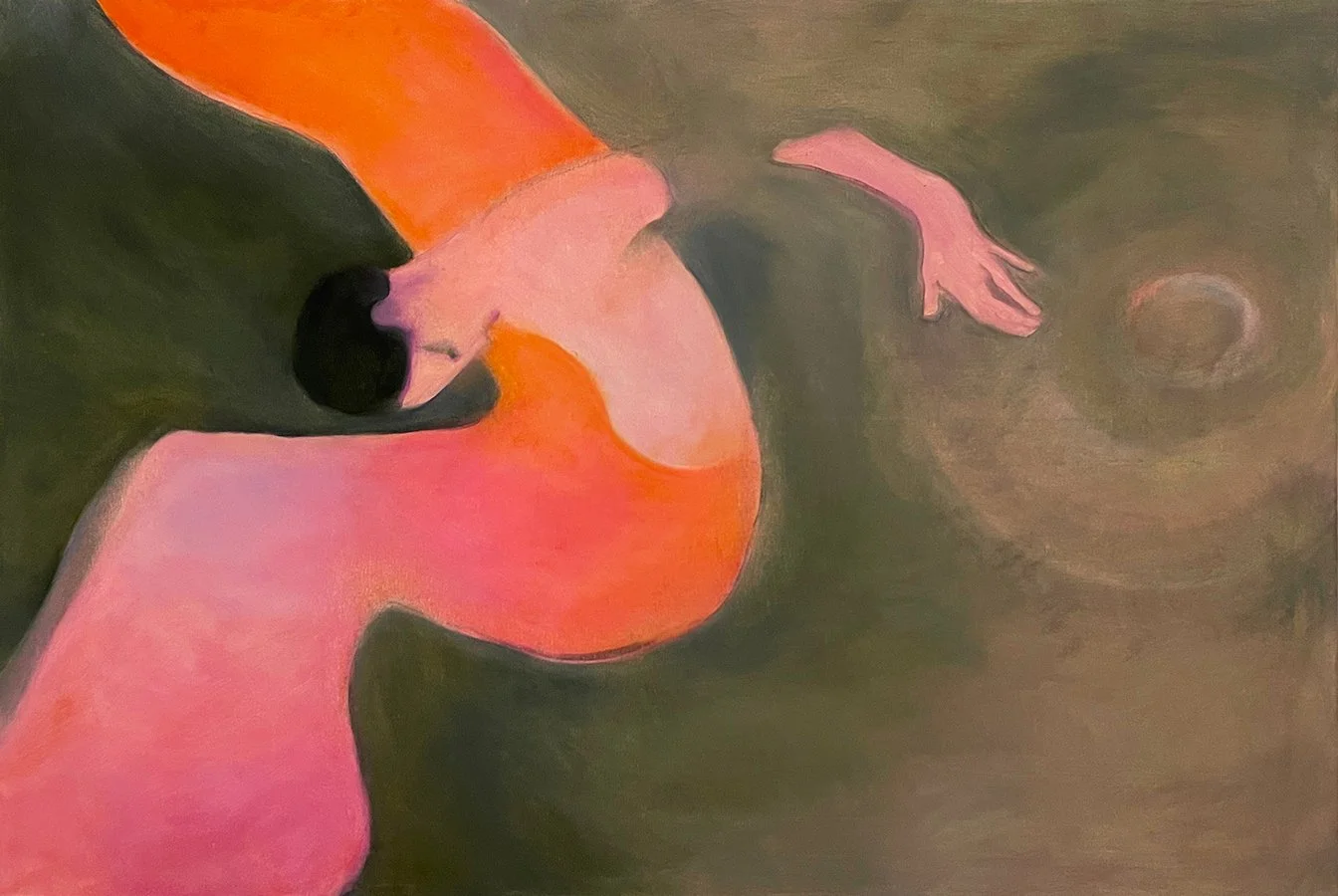
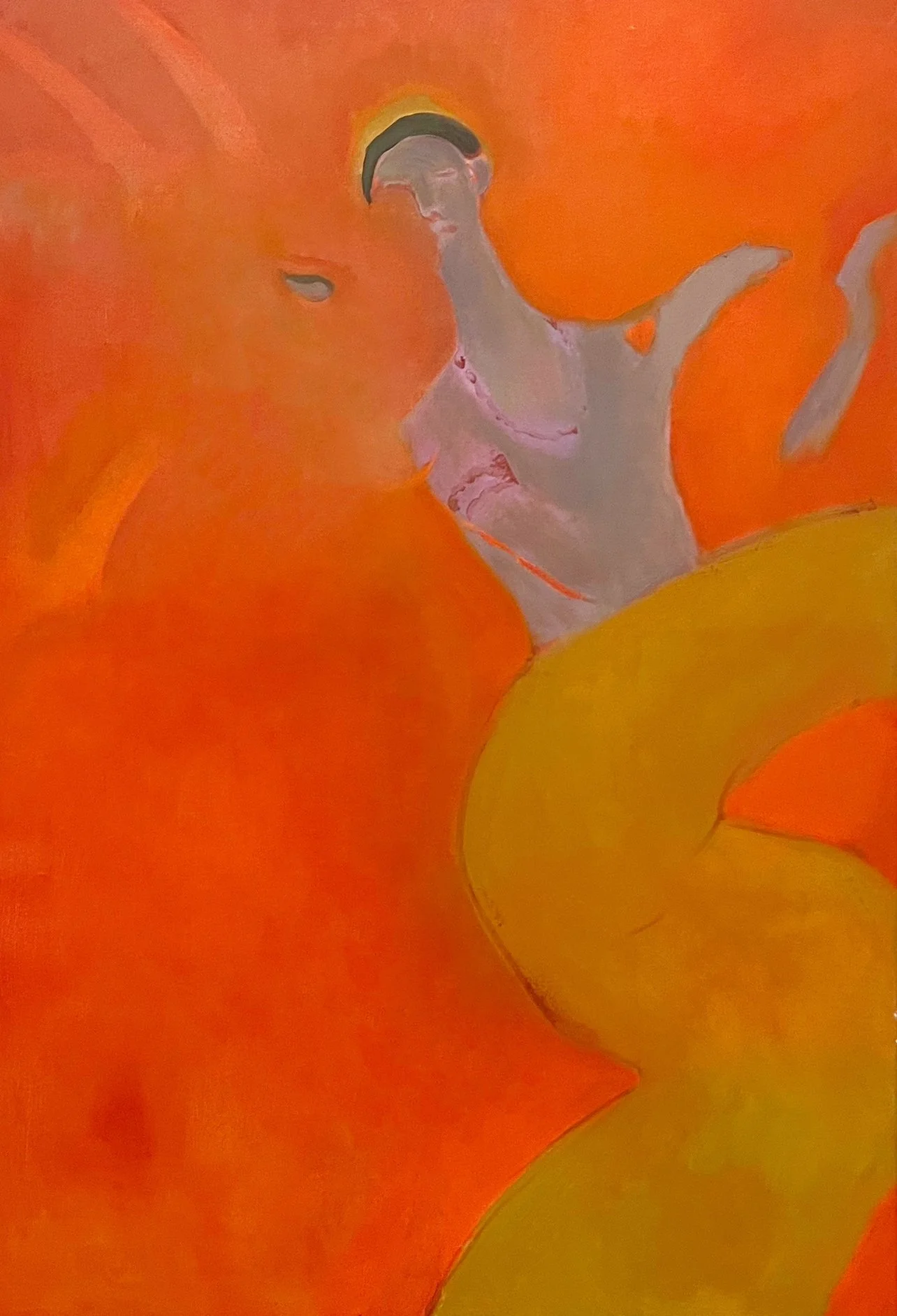
Time in my paintings is not linear. It flows, transforms, and dissolves, leaving traces in the form of symbols and visual motifs. Figures and images often lose their material presence, becoming part of a continuous field of color.
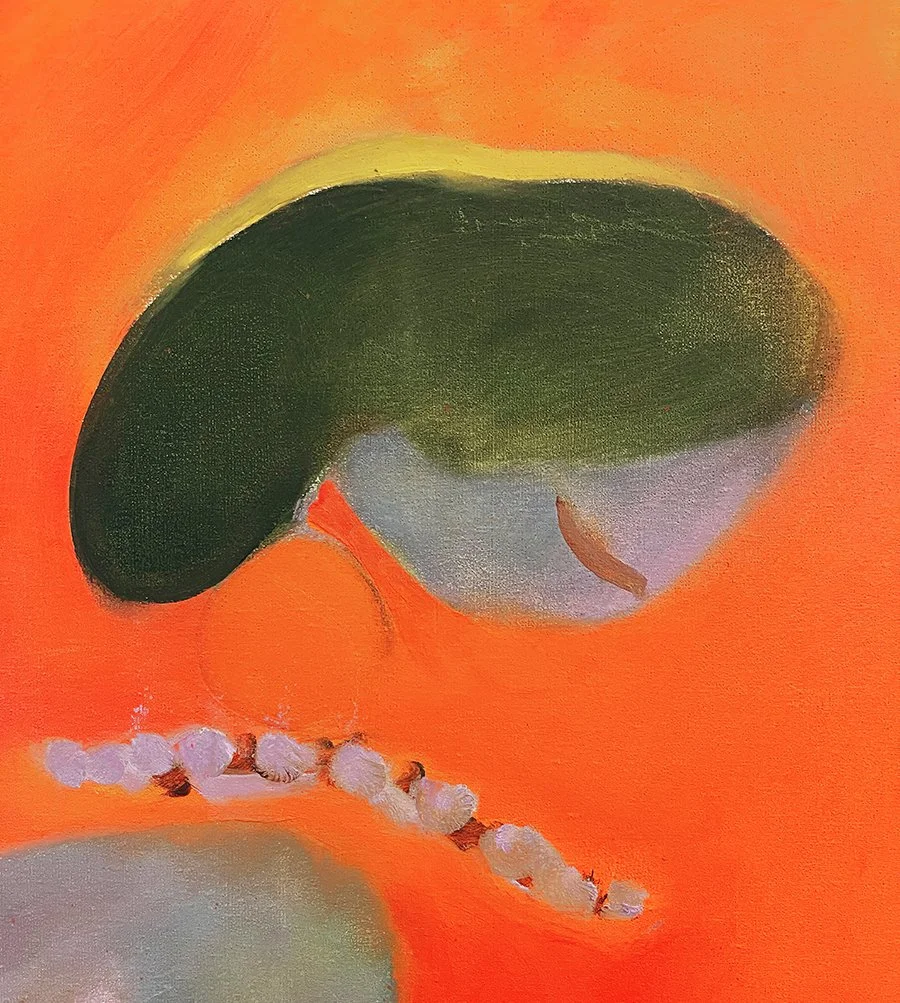
Color plays a central role in my work. For me, it is much more than a formal element of painting—it carries energy, emotion, and meaning. Through color, I convey inner states, the pulse of life, moments of tension, and moments of harmony. My work exists at the intersection of figurative and abstract painting, where the viewer is invited into a space of memory, feeling, and personal reflection.
You have lived and worked across different cultural environments, including Russia, India, Europe, and the United States. In what ways has this international experience influenced the development of your artistic practice?
I love traveling, and it is an important part of both my life and my artistic practice. It helps me maintain a constant sense of visual curiosity, to observe the world, and to engage with the cultural heritage and traditions of different countries and peoples. This greatly enriches my experience, both as a human being and as an artist.
Your recent body of work, Art is Born Where Silence Begins, emerged after an extended period living in India. Rather than documenting place directly, the series focuses on inner transformation. How did this experience reshape your approach to composition, symbolism, and color?
For me, India became an important point of reference and a turning moment both in my perception of the world and in my artistic practice, as well as in my worldview as a whole. During this period, I began to perceive color with particular sensitivity and to feel more acutely the energy emanating from people, objects, and space. Gradually, color became the key element of my painting—the main language of my artistic expression.
For me, it is not only a visual or aesthetic tool, but also a way of conveying a deeper energetic state.
I almost completely moved away from realistic, descriptive representation, as it felt too superficial, capturing only external form.
I am less interested in depicting specific individuals or narrative subjects, and more drawn to collective archetypal images of the masculine and feminine principles, as well as broader states of human nature—such as the release of creative energy, vital force, renewal, and inner creative movement.
In these works, composition, color, line, and mark are guided by an internal artistic intention. The process is intuitive: much emerges on its own, without rational control. The more freedom I allow myself, the more harmonious the work becomes. For me, this is closely connected to a sense of wonder—observing how paintings come into being.
Your work has been presented internationally, including exhibitions in New York, Beijing, Barcelona, Moscow, and St. Petersburg. Which of these collaborations marked important turning points in the evolution of your career?
It is difficult to identify a single project or exhibition as a decisive turning point in my career. For me, it is more important to maintain continuous movement, artistic freedom, and the ongoing expansion of professional experience rather than focusing on isolated events.
At the same time, my experience working in the United States has been particularly significant. Immersion in the American art environment has expanded my understanding of the contemporary art system and the opportunities for artistic development. I perceive it as one of the most dynamic and professionally rich environments in the contemporary art world.
Through my collaboration with the online gallery Artseeker, I have had the opportunity to present my work on American platforms and participate in exhibition projects both offline and online. I have taken part in group shows in New Jersey, an exhibition at the MoRA Museum, and a solo presentation on the Artsy platform. This experience has become an important professional milestone. It has allowed me not only to present my work internationally, but also to position my practice within a higher-level professional context.
Today, I consider the United States my main base for living and professional development of my artistic practice, while maintaining mobility and international projects across different countries.
In the context of contemporary visual art, what do you believe distinguishes your practice from broader trends in figurative or abstract painting today?
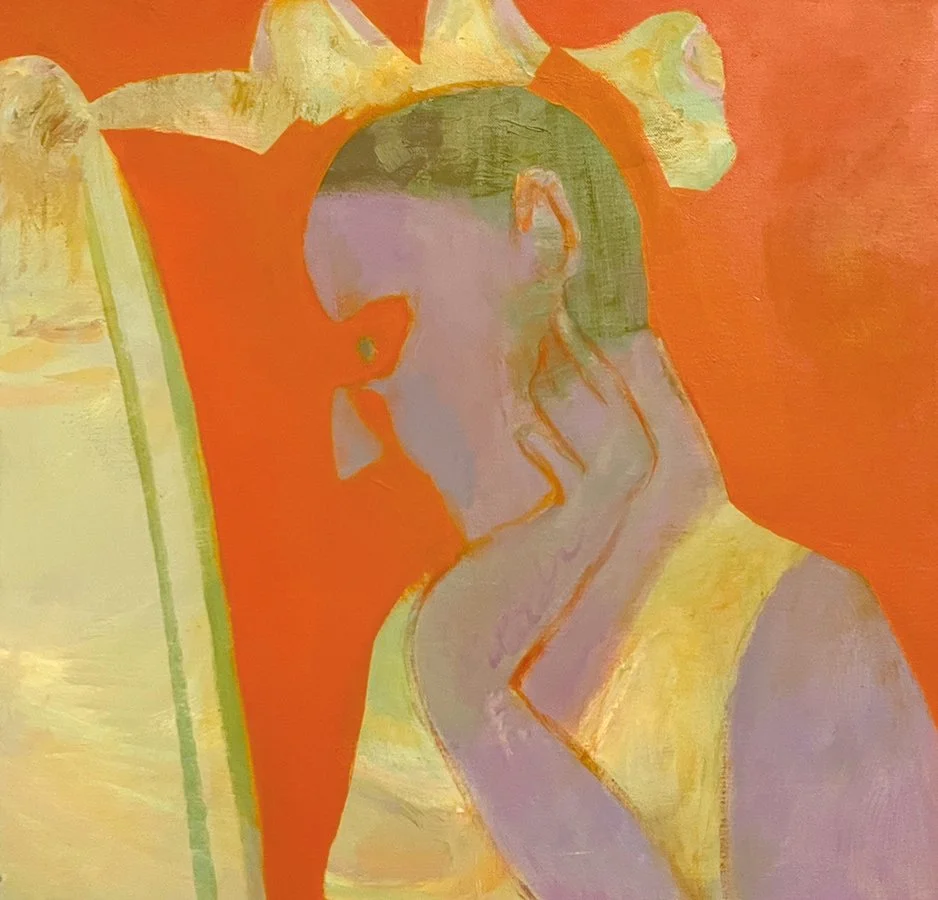
In my works, there is a hidden visual code based on archetypal images and cultural memory. I use painting as a way of returning to these inner layers of perception, where personal experience intersects with collective memory.
Through color and symbolic figurative forms, I construct a space in which associative connections related to cultural and emotional human experience are activated. These elements function as keys to inner recognition.
In the context of contemporary visual noise, saturation, and tension, I aim to create a space of slowed perception, where the image gradually unfolds and is experienced not only visually, but also through the viewer’s own associations and memory.
Beyond exhibitions, your professional activity also includes jury participation, teaching, and engagement with international creative communities. How have these experiences impacted you as an artist?
For me, creative exchange and interaction with other artists, students, and the professional community are extremely important. Over time, as I accumulated experience, I naturally developed a need to share this knowledge and engage in dialogue with others.
This process is always reciprocal: through teaching, jury participation, and involvement in international creative communities, I not only share my experience but also gain new perspectives and a broader artistic understanding.
For an artist, it is essential to maintain a living connection with the viewer and the professional environment, as it is within this interaction that continuous renewal and artistic development take place.
Interview by Alicia Puig, June 4, 2026