

The Ephemeral Nature of Existence: Leah Oates on Photography and Change

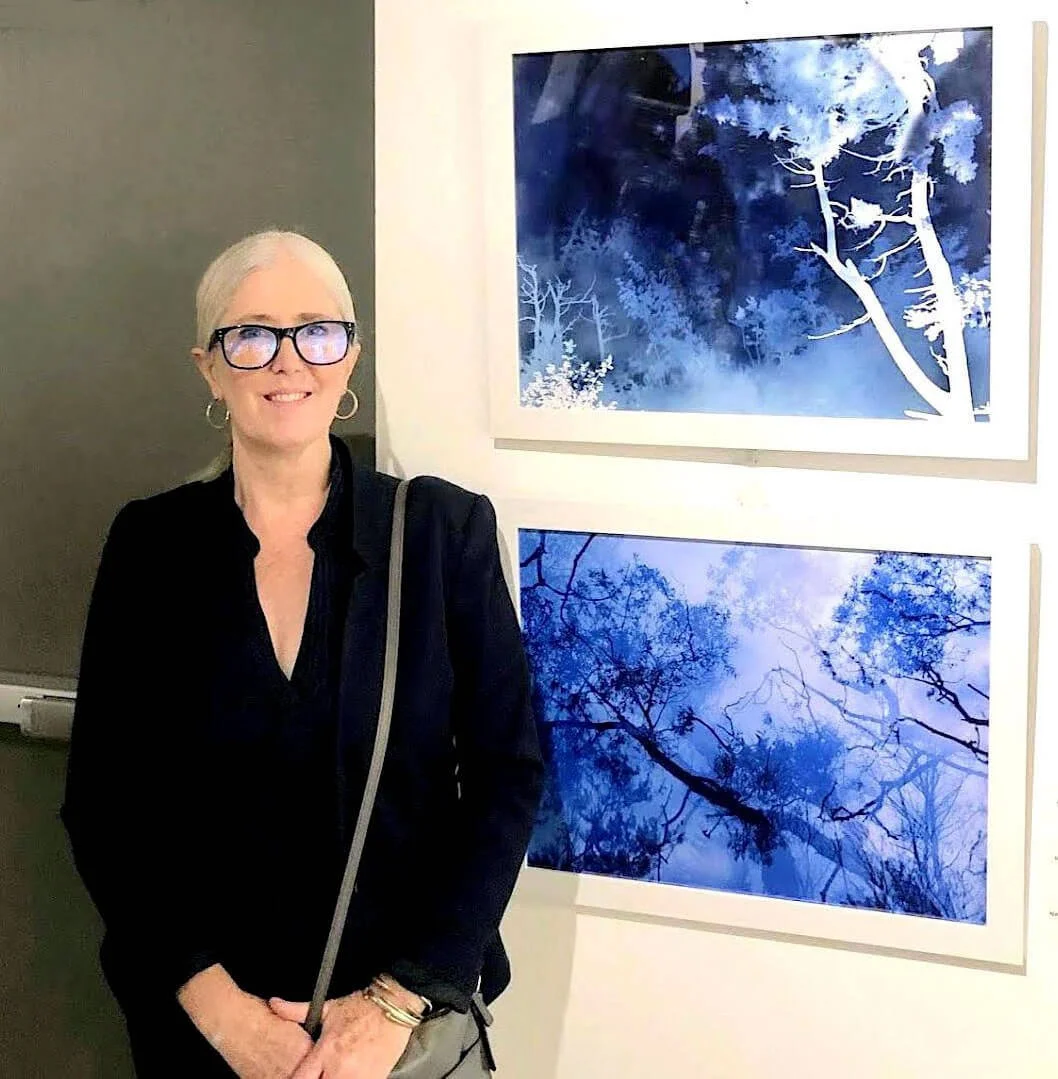
Leah Oates has a B.F.A. from the Rhode Island School of Design and an M.F.A. from The School of the Art Institute of Chicago and is a Fulbright Fellow for graduate study at Edinburgh College of Art in Scotland.
Oates has had solo shows in the NYC area at Susan Eley Fine Art, The MTA Lightbox Project at 42nd Street, The Arsenal Gallery in Central Park, The Open Center, The Center for Book Arts, and The Brooklyn Public Library Main Branch, and has had solo shows nationally and internationally at Black Cat Artspace in Toronto, Real Art Ways in Connecticut, Sara Nightingale Gallery in Long Island, Artemisia Gallery in Chicago, and at Galerie Joella in Turku, Finland.
Oates has been in group shows in the NYC area at Susan Eley Fine Art, Lichtundfire Gallery, Wave Hill, Edward Hopper House, Chashama, Williamsburg Art Center, Metaphor Projects Gallery, Usagi NYC, Denise Bibro Fine Art, Nurture Art Gallery, and The Pen and Brush Gallery.
Oates has been part of group shows in Toronto at John. Aird Gallery, Gallery 1313, Propeller Gallery, Gladstone Hotel, Remote Gallery, Arta Gallery, and The Papermill Gallery.
Oates has had press in Al-Tiba9 Contemporary Art Magazine, The Shanghai Literary Review, Mud Season Review, dArt Magazine, The Tulane Review, Vallum Journal, Calyx Journal, Blue Mesa Review, Friends of the Artist, GASHER Journal, Flumes Literary Journal, and the 805 Lit + Art Journal.
Artist Statement
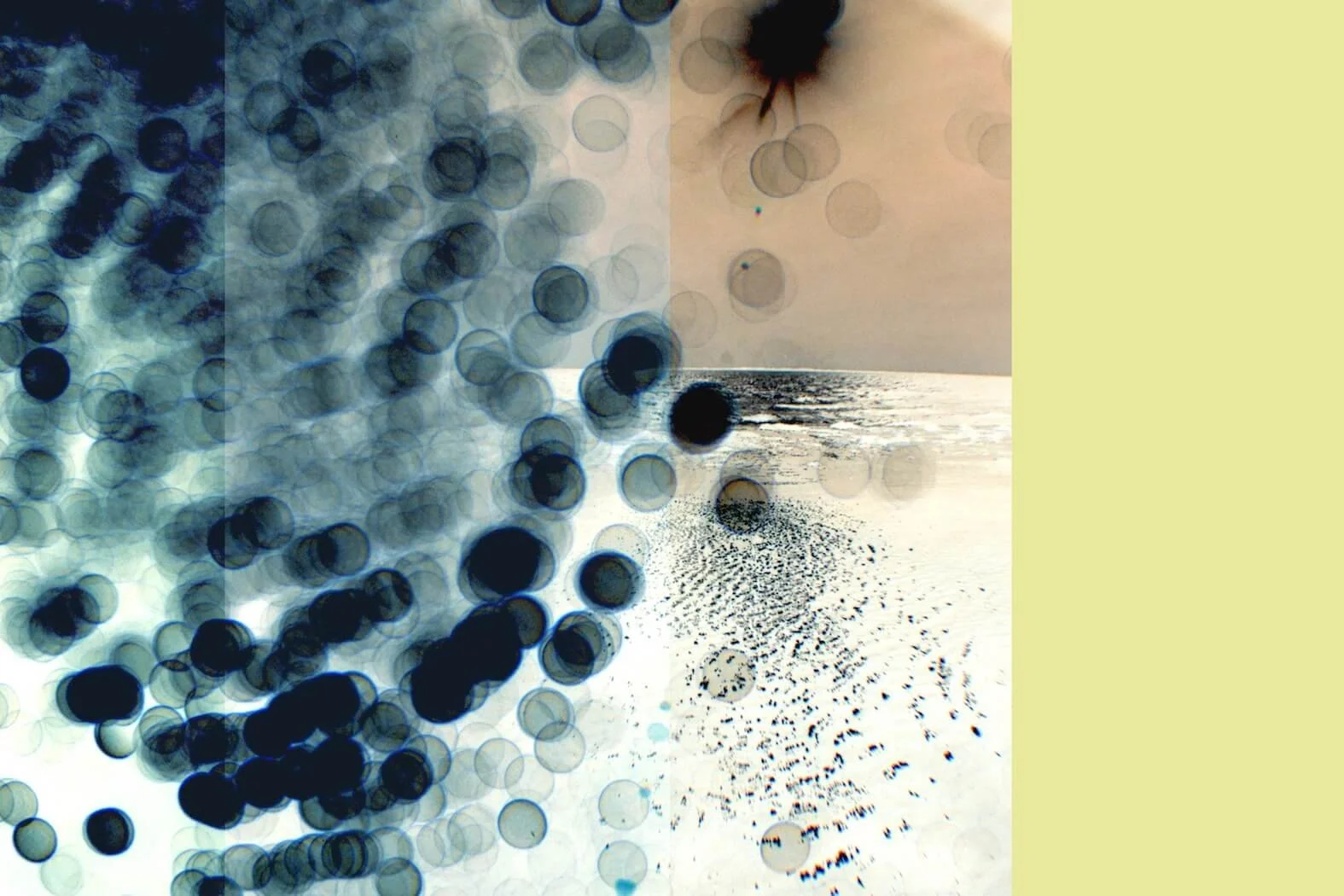
The Transitory Space series deals with urban and natural locations that are transforming due to the passage of time, altered natural conditions, and a continual human imprint. In everyone and in everything, there are daily changes, and this series articulates fluctuations in the photographic image and captures movement through time and space.
Humans leave traces and artifacts of our consciousness everywhere in our environment. Contradictory realities can be found co-existing wherever we look. They’re in what we choose to think; what we choose to believe; and how we choose to act, and they can be found in what we choose to observe.
When I look back on a moment, it’s full of impressions, and multiple exposures capture this. I make multiple exposures on specific frames in camera, which allows me to display a more complete correlation of experiences that a single exposure just misses.
Every moment captured on film is over as soon as the shutter clicks, recording the ephemeral. Yet, in reality, there is always a visual cacophony of experience, and we live in many realities at once. Multiple exposures express the way we experience the world, as our perception is not fixed.
Transitory spaces have a messy human energy that is perpetually in the present yet continually altering. They are endlessly interesting, alive places where there is a great deal of beauty and fragility. They are temporary monuments to the ephemeral nature of existence.
http://leahoates.com

Interview
Your Transitory Space series captures urban and natural locations as they transform over time. What draws you to a place, and how do you know it is ready to be photographed?
When I go to shoot in a location, I spend some time there to get to know it, which creates a deeper visual dialogue as well as an emotional connection. I experience the change of the seasons, how weather patterns affect the place, and how people alter these locations. I witness these locations transforming over a duration of time, and as I return to a place to photograph, it’s frequently changed, which all draws me to a place and makes me want to photograph there.
You describe humans as leaving traces and artifacts of consciousness everywhere. What kinds of traces do you find yourself noticing most often?
I think what I notice and try to capture in my work is change, flux, motion, and transformation, and I invite joyful and alive nature into my work. I believe nature has consciousness like humans do, and humans and nature are deeply connected as we are part of nature.
Humans are constantly leaving traces and artifacts of consciousness everywhere, from how they dress, to how they organize and approach their life, to what they choose to create & communicate and how they approach others.
People alter things in the places that I shoot in with carving into trees, trash and debris left behind, graffiti and stickers, etc. They literally change the landscape through these choices.

You make multiple exposures in camera rather than layering images afterward. How does working this way change your relationship to the moment you are capturing?
When I photograph multiple exposures, I leave most of it to chance, but I also draw on many years of training and on working with the same camera since college. I trained as a painter and printmaker, and the work I do, I think, relates to this education, as one builds up layers in a print or in a painting to achieve a final work, which relates to multiple exposures.
When I look back on a moment, it’s full of impressions, and multiple exposures capture this. I make multiple exposures at random on frames in the camera, which allows me to display a more complete correlation of experiences that a single exposure just misses.
You have said that we live in many realities at once. How do you decide which of those realities to layer together in a single frame?
I invite in the element of chance when photographing, and I simply shoot, see what happens, and I trust my eye, training, and senses. In every moment, there are so many sensations, emotions, interactions, and so much happening, and it’s all randomly colliding, so I try to shoot without overthinking too much. I have little control over this beautiful, unknowable, weird, and magical kaleidoscope of lived experience, and I’m merely an artist witness who is attempting to understand nature and being human through creating.

You describe transitory spaces as having a messy human energy, full of beauty and fragility. Can you share a specific place that captured that feeling for you?
I think I first felt this when I was a child roaming around in the forests and beaches of New England. I had a sense of exploration, and it was sublimely beautiful and magical. I still have a childlike love and sense of enchantment with nature.
I sometimes encountered animals that had died due to an encounter with another animal or due to natural causes, which taught me things can change very fast, that life is very fragile, as was the balance of the forest and of nature.
Your background includes study at RISD, the School of the Art Institute of Chicago, and Edinburgh College of Art, and shows across New York, Toronto, and Chicago. How have these different places shaped the way you see?
I loved all the places that I studied, and each taught and shaped me as an artist and person in different ways.
RISD is where I began to learn the foundation and technical aspects of being an artist, and this is where I met my husband Pierre and where I made lifelong friends. At RISD, I travelled to Rome, Italy, for the first time. It was my first time in Europe, which was life-changing, and I wanted to go back.
At Edinburgh College of Art, I was on a Fulbright Grant to Edinburgh, Scotland, and for the first time, I was fully funded as an artist, and this gave me confidence and freedom, which allowed me to fully step into and embrace a life in the arts.
At grad school at the School of the Art Institute of Chicago, I was doing independent study, which taught me organization, discipline, and focus, and also how to articulate my vision visually.
Shooting on film means each moment is over as soon as the shutter clicks. What does that sense of impermanence teach you about your own process?
Impermanence teaches me to keep working and going despite that fact that hopefully I’ll live into very old age if I’m lucky (one hundred lived years or more, yes please!), but then I will no longer be here, but hopefully my art will be. Impermanence has taught me that being alive is action and doing with fullness and to be with family and friends and to be fully present while alive.
Art also is an artifact of lived experience and one’s perception of what one sees, senses, and feels, and is impermanent too as it’s part of life. As I age, I’ve begun to feel that everything is impermanent as I’ve had family and friends pass away, and it all goes so fast. Life is so incredibly beautiful, magical, mysterious, and so worth living for the brief time we’re on earth.
What are you most curious to explore next in your practice?
I’m soon on an artist retreat in Ontario and planning a solo show of my work in 2027, which I’m looking forward to. I’d be happy to make work in northern Canada, especially in the Yukon, and out west in America in Arizona, New Mexico, and in Nevada, as I’ve mainly photographed in Eastern Canada and in Eastern America.


