

Women Working in the Arts: Hui Qi
When you walk through a forest, what do you see, hear, feel? The answer is never one, but all, changing with every step you take. Turn to the left, and you hear different bird sounds emitting from the forest. Turn to the right, and you see a whole new view through the trees. This consideration of space, perspective, and the impact an environment has on one’s experience in the world is deeply embedded in the curatorial practice of Hui Qi. For her, exhibition-making is about shaping a place and space through the artwork contained within it, creating movement that continuously challenges both literal perspective and the perspective that is built through experience and identity.
“I do not simply use space,” explains Qi when describing her curatorial practice. “I sculpt its emotional rhythm and perceptual texture.” Put language to rhythm, and you get poetics. Put artworks to rhythm, and you get a curatorial approach that is deep in its fluidness, yet firm in meaning. This element of rhythm in Hui Qi’s exhibitions prioritizes the movement of the viewers, emphasizing the importance of viewer participation and perception. For Qi, viewing an exhibition should be an active experience that begins as soon as one enters the space.
Qi’s curatorial work considers the importance and potential of space, as space is the container for the work itself. A container is no passive object. As cultural theorist Zoë Sofia claims in her foundational essay Container Technologies, “The environment itself is a bearer of intelligence.” In other words, the environment in which something is held is just as important as the objects in which it holds. The environment containing an exhibition—or, the space in which it lives—is a material and medium in and of itself, as exemplified in Hui Qi’s practice.
“Space itself speaks — the materials of the building, the light, the historical traces — they have their own language,” says Hui Qi. “The curator's job is not to cover over that language, but to enter into dialogue with it.”
This curatorial approach stems directly from Qi’s academic background, which combines curatorial work in the visual arts with her experience as a landscape architect. Earning a Master’s degree in Art Gallery and Museum Studies from the University of Leeds and a Bachelor's degree in Landscape Architecture from Beijing Forestry University, she seamlessly combines methodologies from both fields of study into one practice, as she considers them both “one continuation of a single thread.” For her, curating and landscape design are not so different. Landscape design considers the conditions, histories, and context of a given site with the goal of creating an environment that is both beautiful and functional. When curating, Qi considers similar elements of the environment, as she often integrates the history, conditions, and design of each exhibition space into the curatorial process.
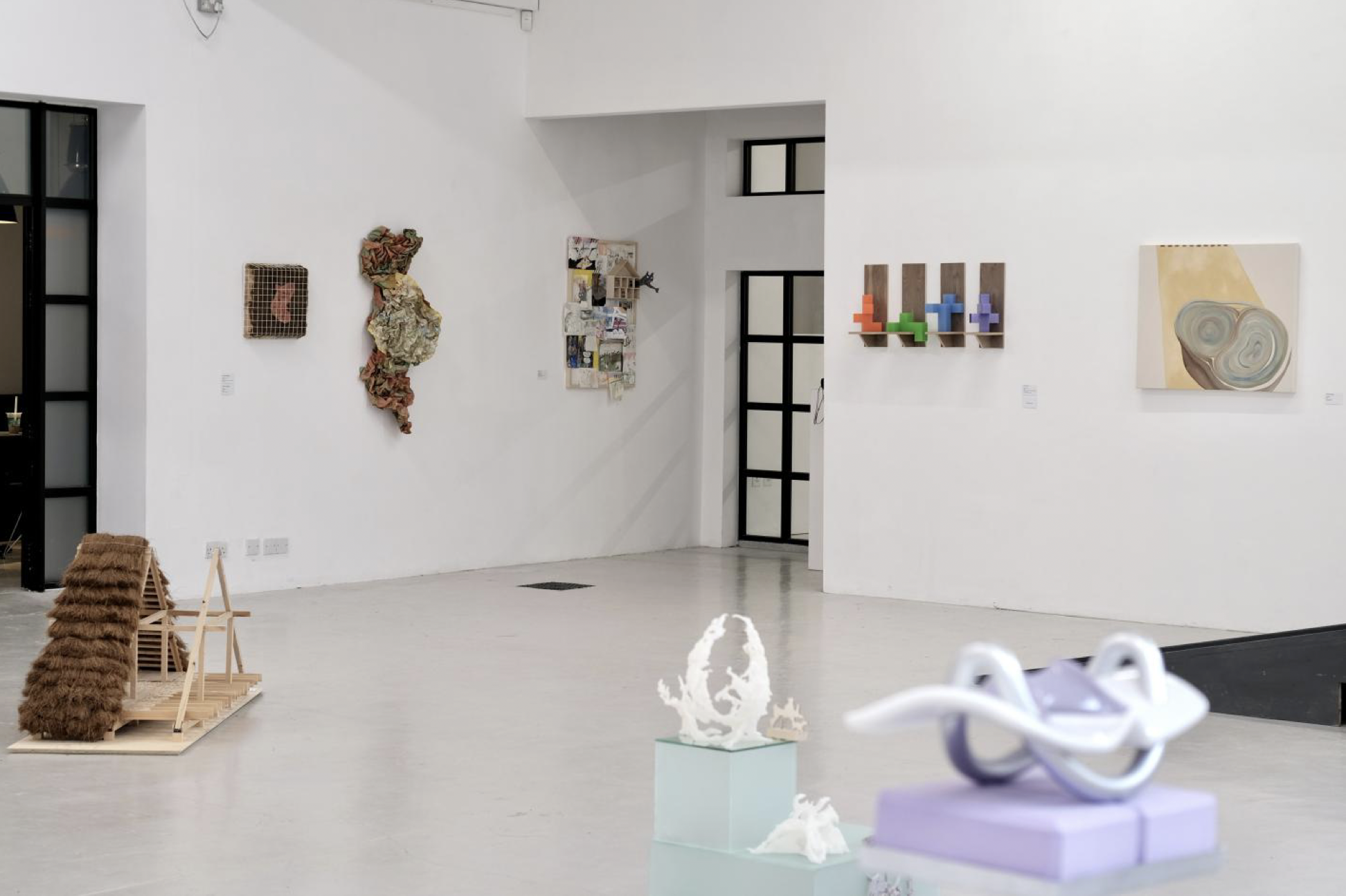
In 2025, Hui Qi co-curated the ambitious exhibition “Prism: Boundary and Unfinished Dialogues” at The Handbag Factory in London, in partnership with the Arts Archive London. The show featured 25 artists working across media such as painting, photographers, immersive video, and more, showcasing Qi’s expansiveness and range as a curator. With identity, memory, and boundaries being core themes in her research and practice, the exhibition approaches these concepts through the lens of a ‘prism.’ A prism fragments light. It rearranges color and shapes into something completely new and beautiful. Like a prism, memory is also fragmented through experience, time, and displacement. The artists Qi has curated into the show explore their own lived experience reconstructing their own identities through this piecing together of memory fragments.
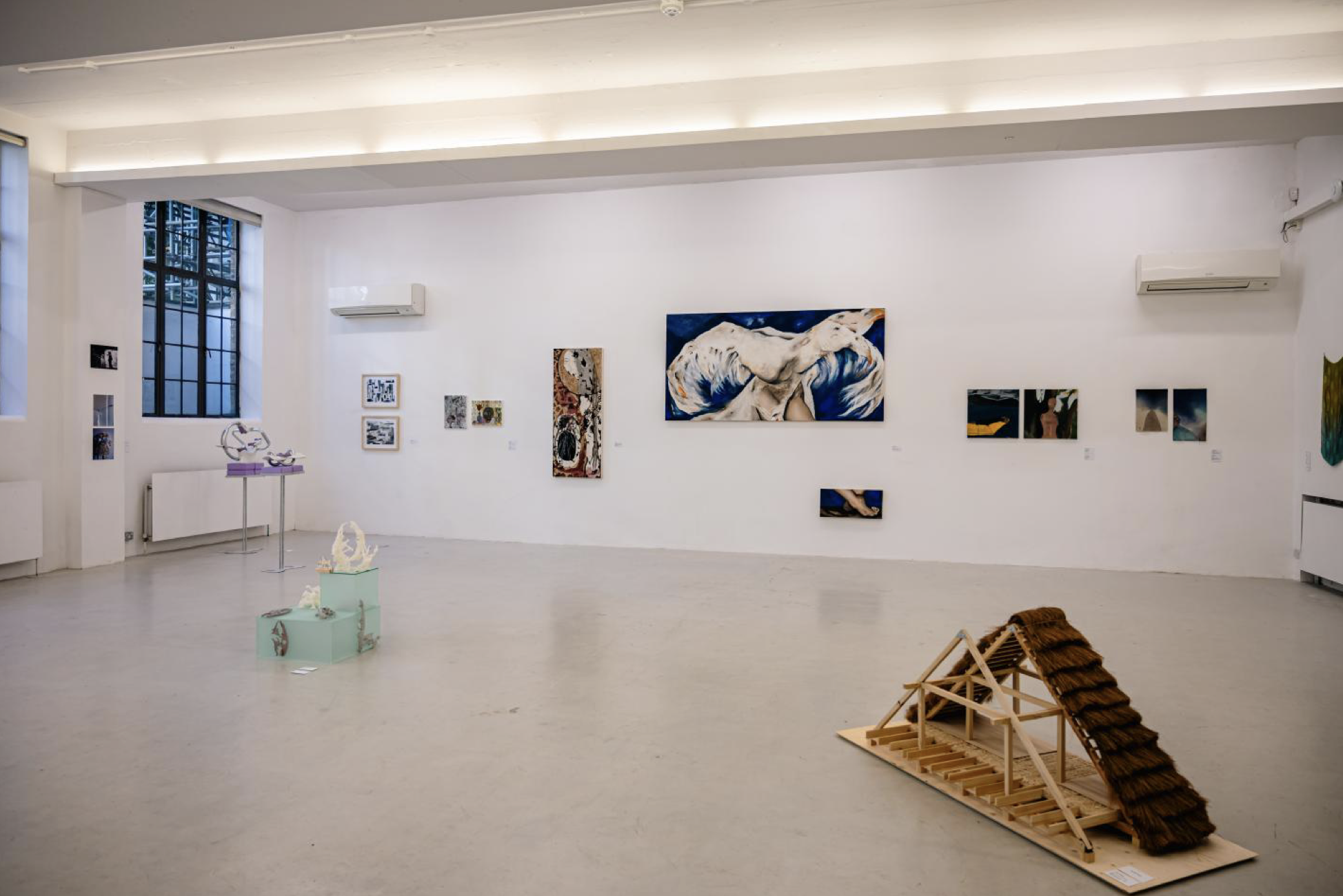
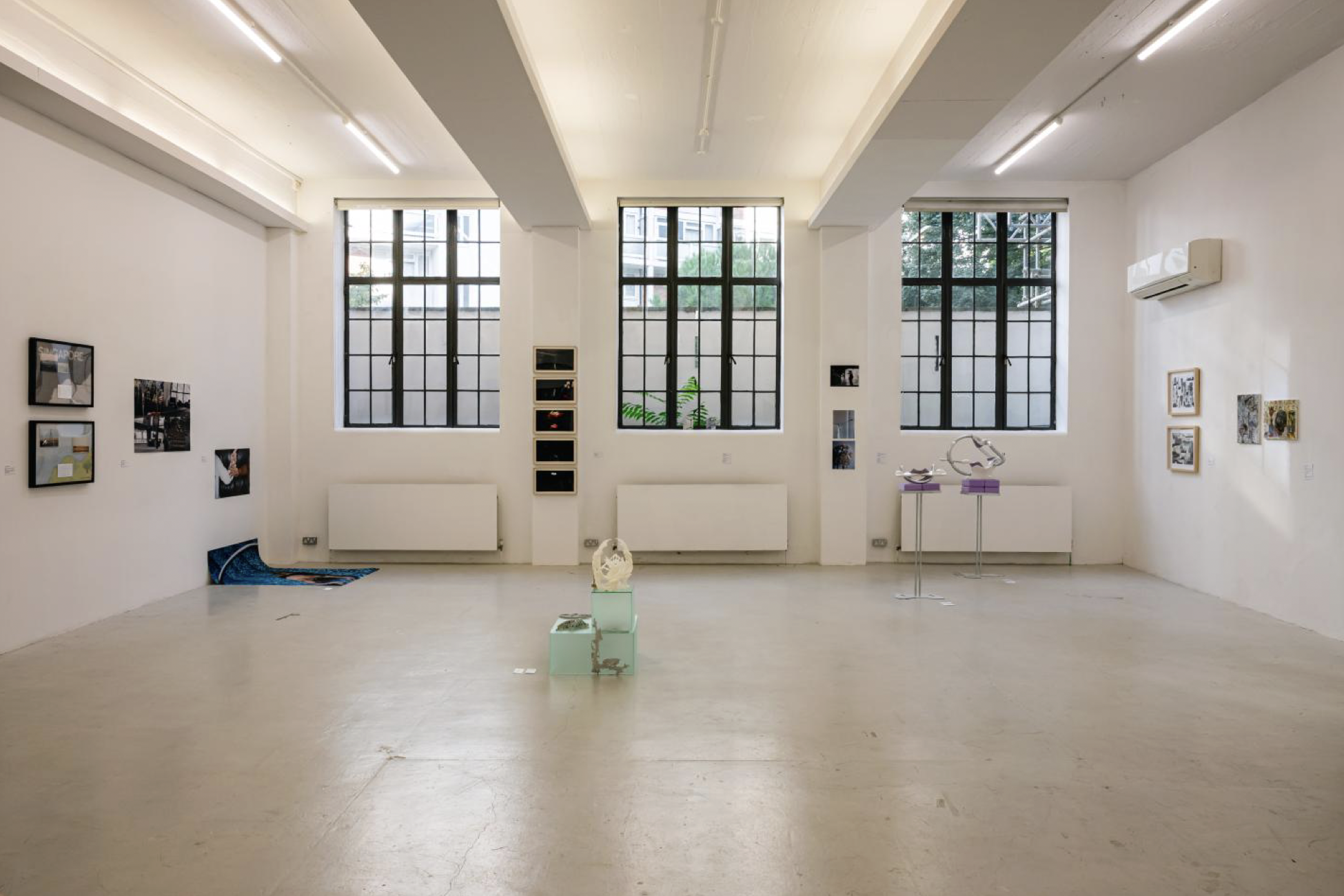
Qi’s curatorial approach thoughtfully integrates her landscape design background by honoring the context and history of the site of each exhibition, and “Prism” was no exception. While organizing the exhibition, Qi took careful consideration of the history of its location. The Handbag Factory has a long and complex place within London’s industrial heritage, as it was once a production workshop. With this history in mind, Qi integrated themes of labor migration, gendered labor, and colonial trade into their curatorial concept. Through “Prism,” Qi beautifully and simultaneously honors both the history of the exhibition site itself and the histories of the artists on view. “The exhibition creates a narrative space that is both safe and open,” Qi explains, “allowing fragmented stories to be reassembled and regenerated, inviting the audience to navigate through layered meanings. Here, she places both and all narratives on even footing, affirming that no one person and no one thing exists in a vacuum, and a narrative cannot be understood without knowing its contexts.
Originally from Beijing, Qi’s curatorial practice spans international borders, as she has worked on curatorial projects in places like London, Paris, and Shanghai. This experience of living in countries very different from her homeland impacts the way Qi sees the world, its borders, its boundaries, and the ways in which it fosters displacement. Having experienced displacement herself, Qi sees these distinctions of territory and culture as porous, always changing and always transforming. Just as she fluidly combines her two fields of study into her practice, she also considers the connections between places, cultures, histories, and where we call home.
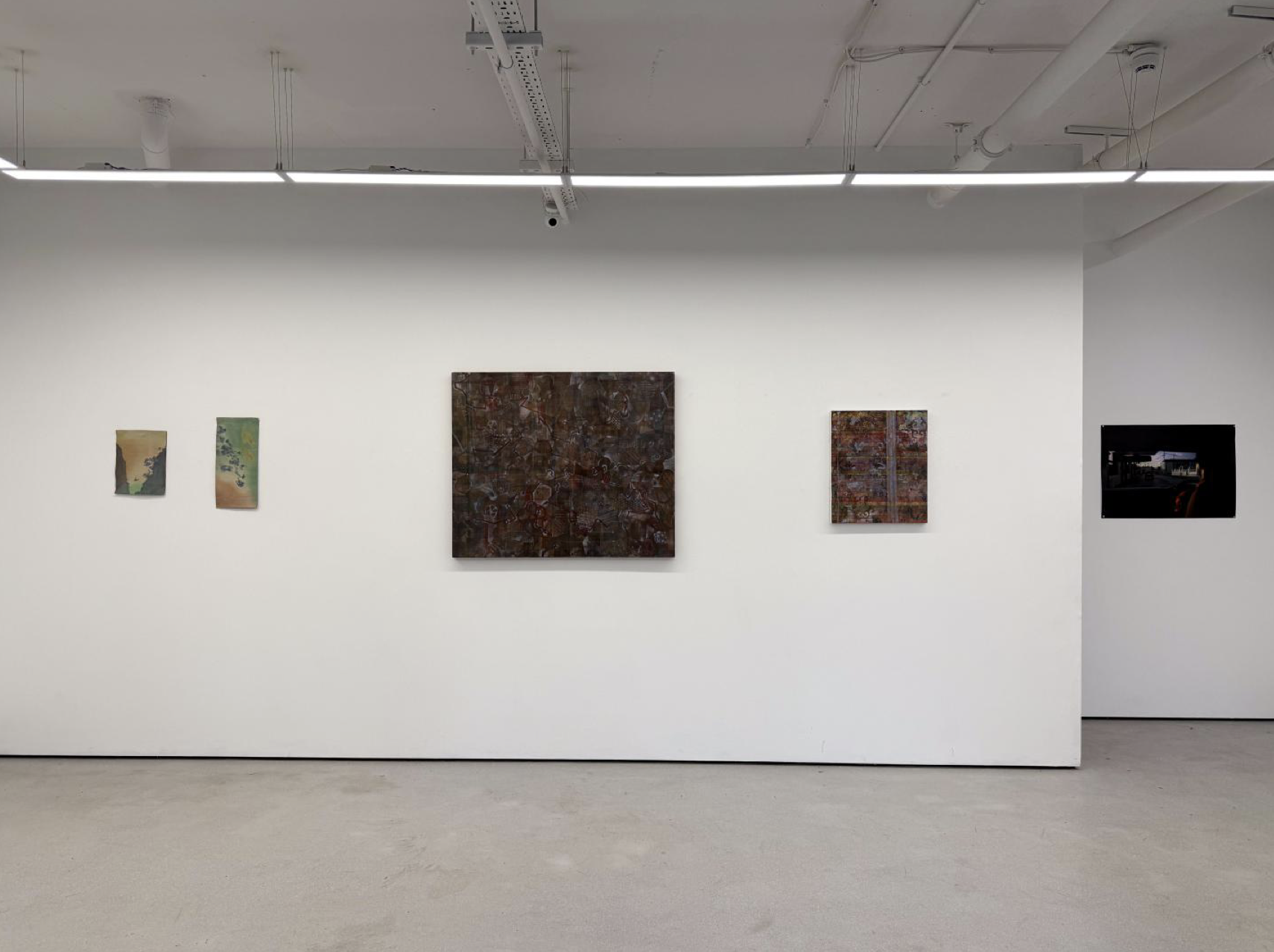
In London, Lychee One Gallery was the home of Qi’s exhibition “DWELLING,” which took place earlier this year. Here, the curator explores the complexities and nuances of calling a place home. At the core of the exhibition, Qi asks, “If choice is forever constrained by fate, causality, and structure, then how do we place ourselves in this world? How do we dwell?” Featuring the work of artists Haoting Wu, Lei Lei, Maggie Meijen, Tianyi Xu,, and Xufei Qiao, “DWELLING” prompts viewers to reflect on “time, memory, existence, decay, and eternity.” In a world that is continuously and rapidly changing, how do we find our place within it? When we leave our home to make a new one, where do those memories live and how may we find a place for them? Qi explains that “personal memory is never a stable archive. It is constantly being written, rewritten, and transformed by the passage of time.” So, too, is identity. In DWELLING, the lived experience and identity of the artists curated into the exhibition are emphasized alongside how their own relationship to home has changed over time, space, and place. Here, the “space” that Qi so thoroughly considers is not only the physical space of Lychee One Gallery, but also the spaces and places that have shaped the identity of each artist in the show. If a “dwelling” or a “home” is the container, then the object in which it holds, shapes, and transforms is one’s identity.
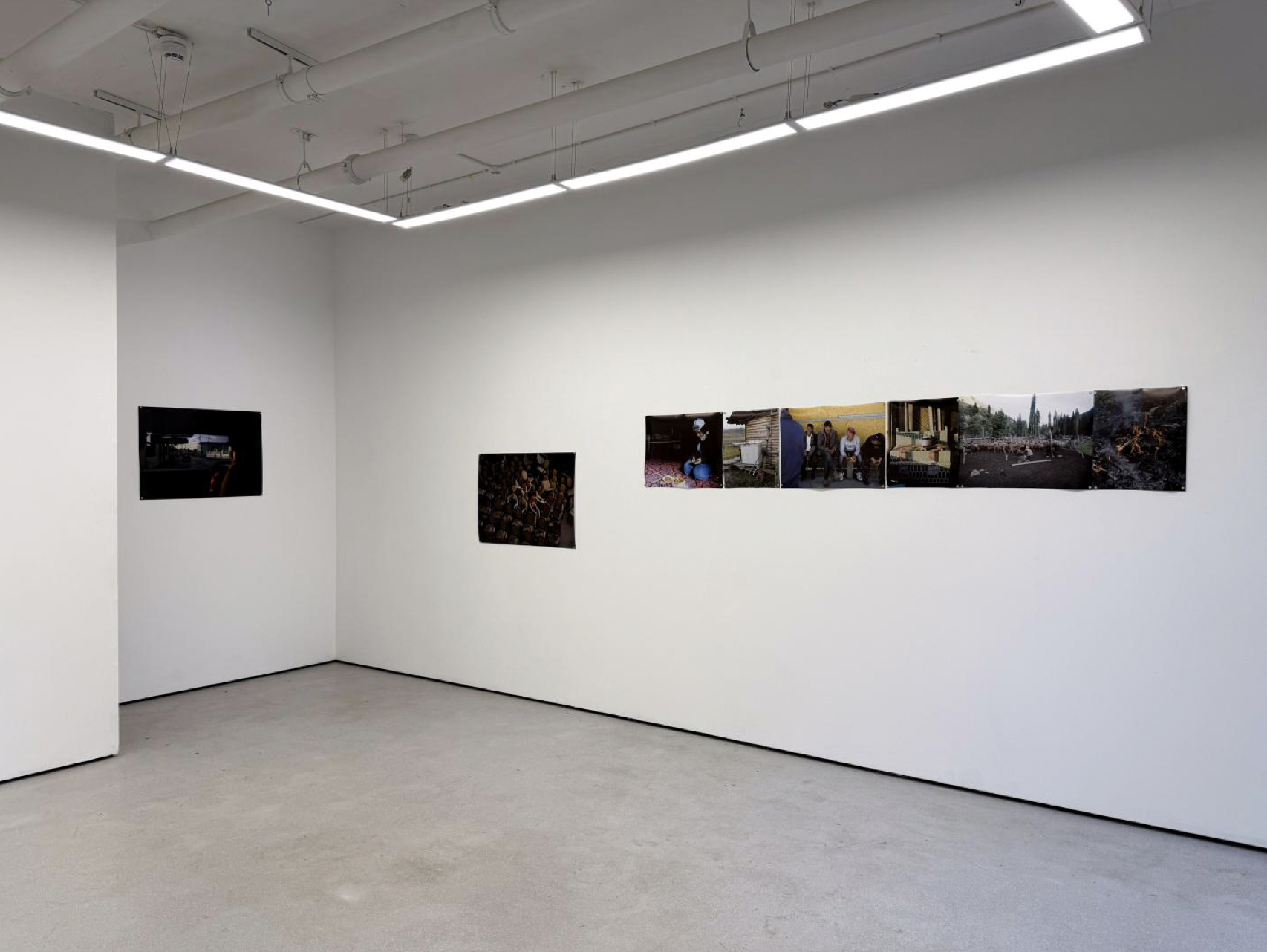
Currently, Hui Qi is Artistic Director of the nonprofit art space IRREPLACEABLE SPACE while working as an independent curator. Through her ever-evolving curatorial work and her ongoing research, Qi draws connections within the human experience. By looking at curatorial work through a post-colonial lens and by integrating landscape design together with her curatorial work, Qi has carved out a unique voice in the art world, one that isn’t afraid to not fix itself within a linear narrative or in one lane. Like the themes that continuously show up in her work—memory, identity, boundary, and space—Qi’s practice is porous and nuanced, rearranged and re-shaped within each environment and site that holds her curatorial projects. With space and place as a material, Qi offers a fresh and necessary perspective at a time we need it the most.
Article by Christina Nafziger