Finding Beauty in the Ordinary: A Conversation with Robyn Palescandolo
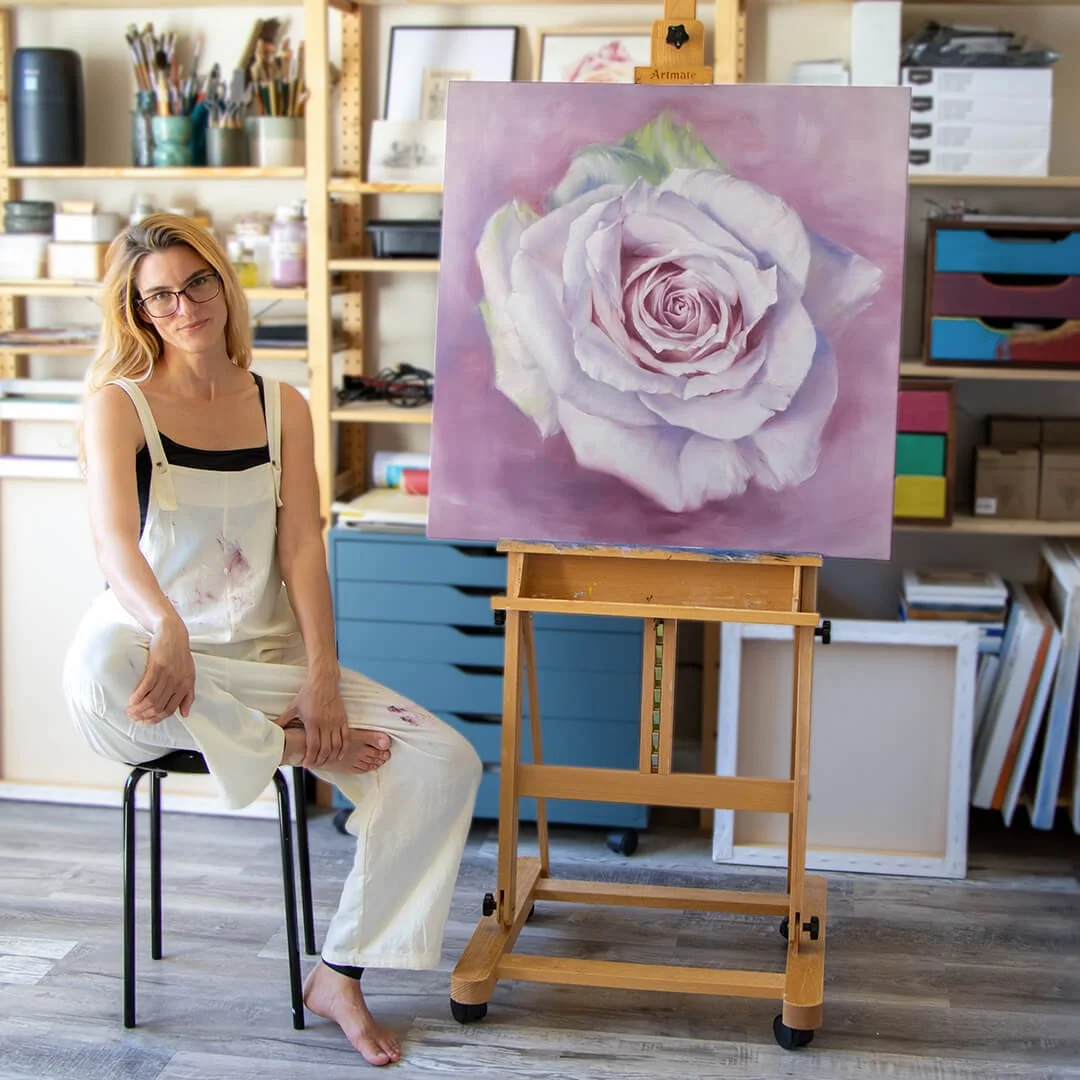
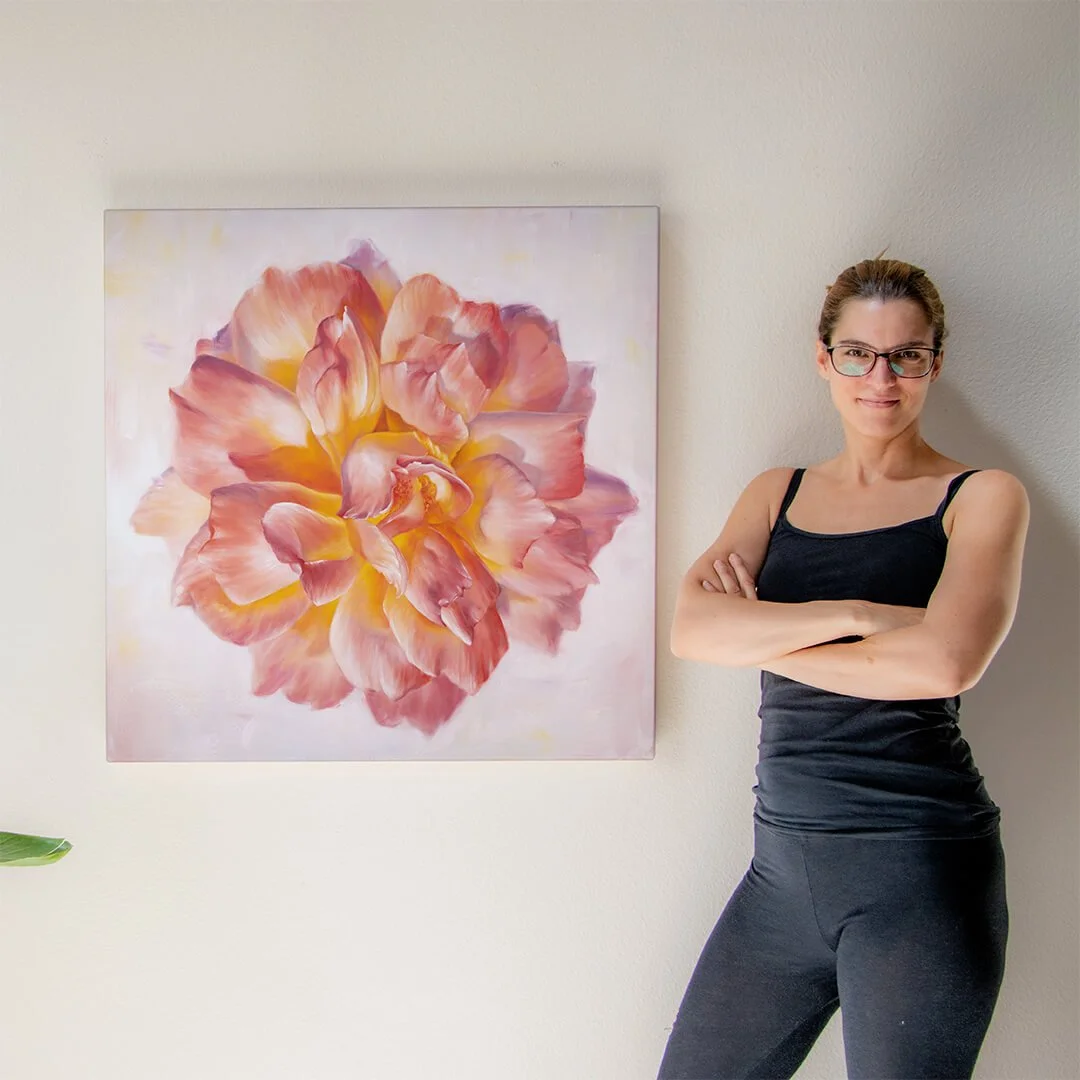
Robyn Palescandolo (signed R Palesca) is a studio artist originally from Boston. Her drawings and oil paintings follow a classical process to combine precise, realist details with spontaneous, painterly brushwork, depicting very current, existent subjects in an other-worldly, timeless way. She has lived in several countries, travels often, and is now based in Southern California.
From 2016 to 2021, Robyn owned and operated La Locanda del Tempo, a farmhouse and painting retreat in rural Italy dedicated to slow living, artistic restoration, and immersive study. The retreat's ethos continues to shape her work, rooted in stillness, simplicity, and close observation.
Robyn holds a BA in Art History from Boston University and an MA in Art History & Visual Culture from Lindenwood University. She studied oil painting under Marilou van Lierop at the Academie Noord in Flanders, followed by years of self-directed inquiry into traditional techniques. Aside from managing an active studio practice, she teaches classical painting workshops and volunteers in community outreach programs.
Notable exhibitions include the Boston Arts Festival (2010), Manhattan Arts International's "HerStory" (2021), the International Guild of Realism's Fall Salon (2025), certificates of merit in the Luxembourg Art Prize's international selection (2020, 2025), and semi-finalist selection for the prestigious 15th International ARC Salon (2021). Robyn is a member of the California Art Club, Oil Painters of America, American Women Artists, and the International Guild of Realism. Her botanical illustrations are held at the KAUST Center for Desert Agriculture, and fine artworks are held by private collectors in several countries.
Artist Statement
My artistic philosophy is deeply rooted in minimalism and a profound appreciation for simplicity. Over the past years, I have embraced a slower, more meditative approach to life, and this shift has strongly informed my art. I am drawn to the quiet beauty of imperfect everyday objects, seeking to distill their essence into my work in a way that reveals their deep significance.
My process combines realism with spontaneous, painterly brushwork, focusing intently on each subject to explore its inherent value. To me, these objects are not mundane or ordinary; they are treasures, luxuries that are often overlooked in the rush of daily life. By stripping away the noise and distractions, I aim to highlight the exquisite elegance of the familiar, the often unnoticed.
I believe that the world is filled with wonder, and my art serves as a reminder to slow down and truly see. I invite viewers to look beyond the surface and rediscover the extraordinary in the ordinary. In a world that often feels chaotic and overwhelming, I seek a moment of stillness, a chance to reconnect with the simple and the sublime.
https://rpalescafineart.com/
Interview
Your work invites viewers to rediscover the extraordinary within ordinary objects. What first inspired this focus on the familiar?
I think this really grew out of a natural draw to the beautiful, ordinary things around me. I've always loved simple things like collecting seashells, and I spend way too much time marveling at the unique shapes or colors in the produce aisle. I took a class in college called "Learning to See," and that feels like it sums up my philosophy pretty well. I think there are a lot of things in our daily lives that we overlook simply because we're used to seeing them, and I wanted to keep my eyes open to all of it.
From 2016 to 2021 you owned and operated La Locanda del Tempo, a farmhouse painting retreat in Italy built around slow living and immersive study. How did running that space change your relationship to your own practice?
I think there was a lot more drama in my work before that chapter. I was drawn to extremes and contrasts and was working in a very dark chiaroscuro style. Being immersed in the quiet and slowness of the countryside forced me to slow down more, to appreciate the rhythms and cycles of nature. There was also this wonderful golden light that seemed to enclose my entire existence during that time. Now that I'm back to 'normal' life, I carry it with me. I paint more simply and honestly. I paint more light. I paint more hope.
Your paintings combine classical realism with expressive brushwork. What draws you to that balance between precision and spontaneity?
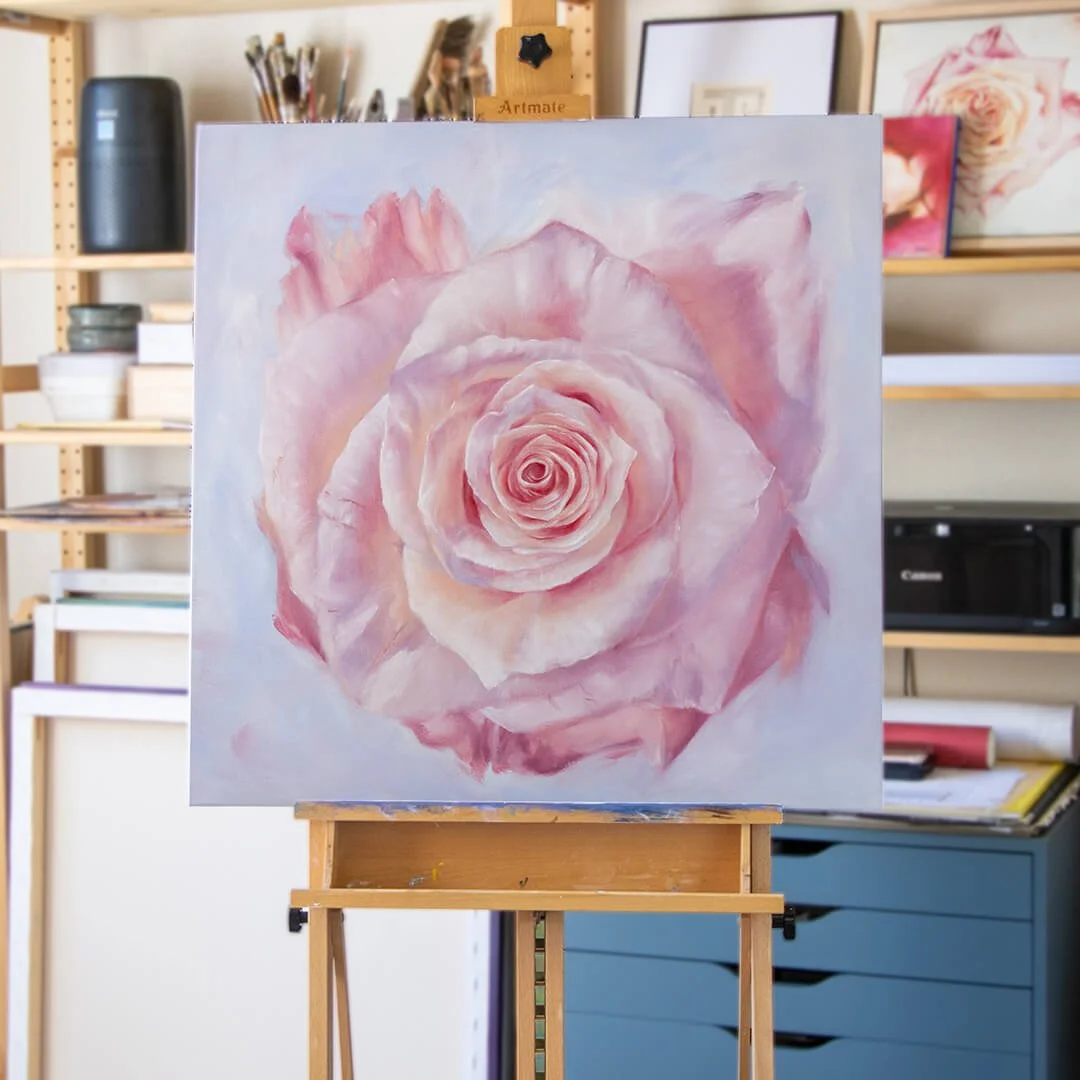
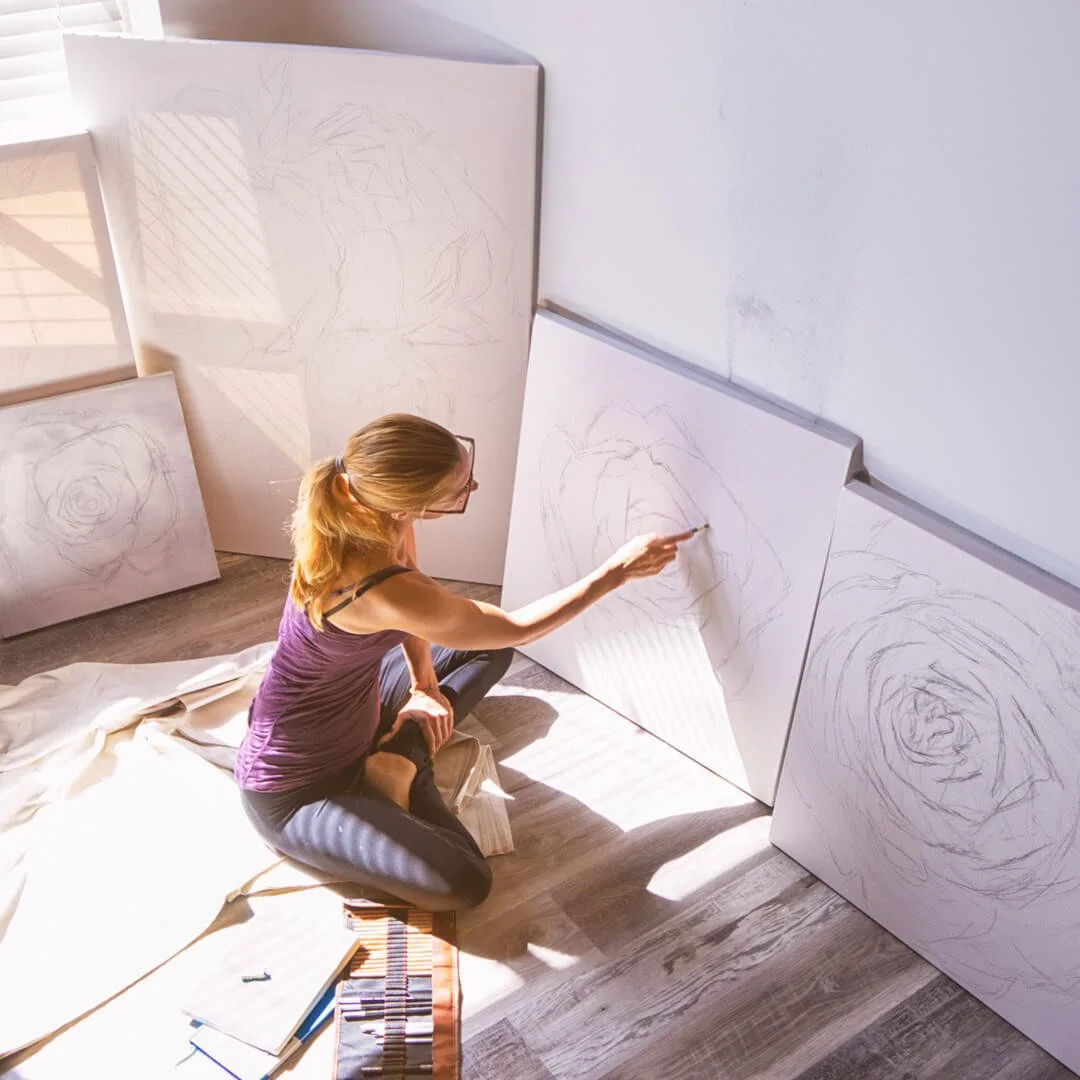
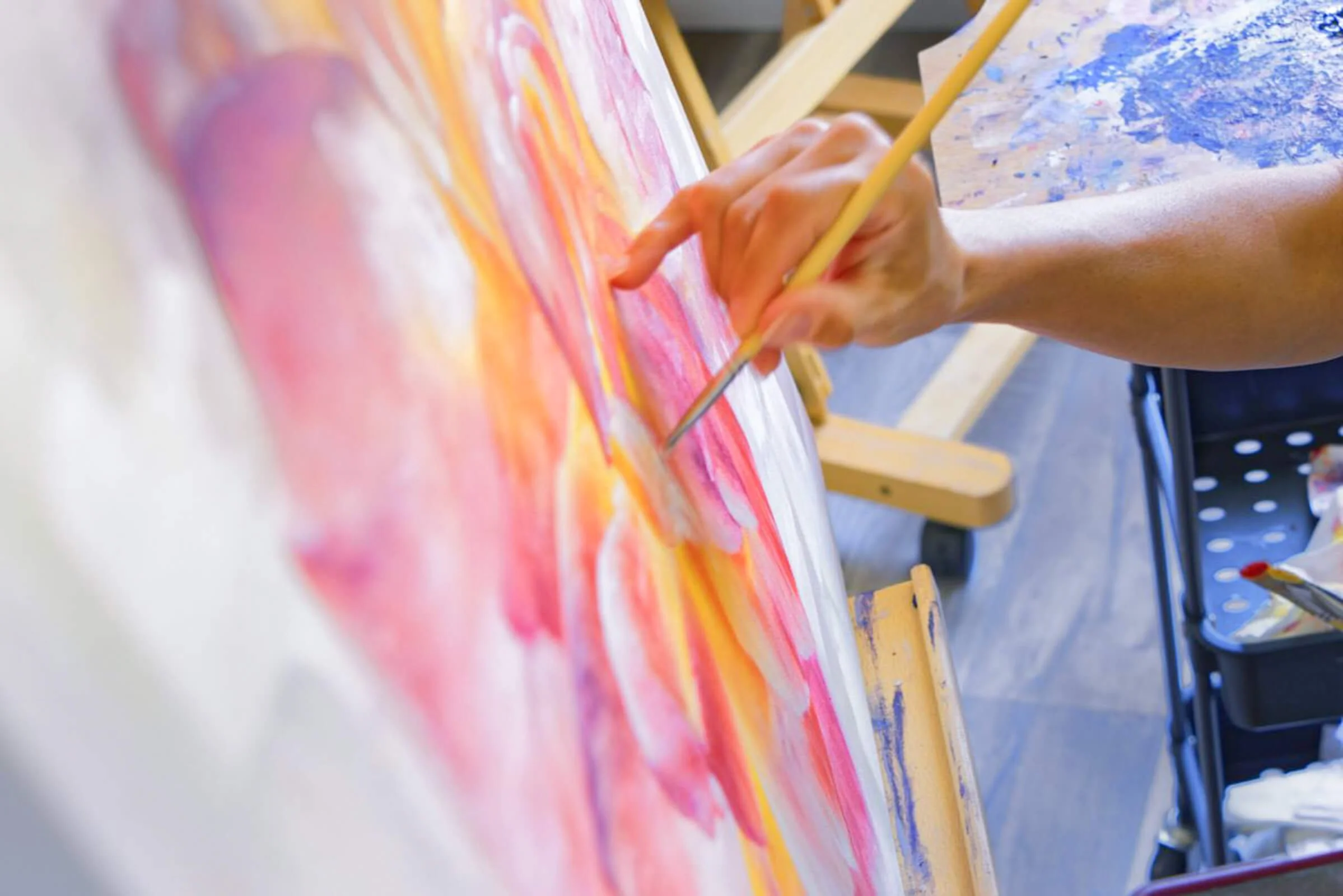
Well, even though I've moved away from the dramatic, I still love tension. Things seen and unseen… and partially seen. I invested a lot of time into learning how to paint classical realism and deeply admire that process, and I also love the sensuality and expression of fast, wild brushstrokes. I think that balance not only adds depth to the work but also allows me to keep things fresh and interesting for myself. The more I let go and let the process dictate where a painting leads, the more surprised and moved I am by the outcome. I just love stepping back from a piece on the easel, sitting on the floor for a good looking session, and gasping at how it's coming along.
Minimalism is central to your artistic philosophy. How do you decide what to leave out of a composition?
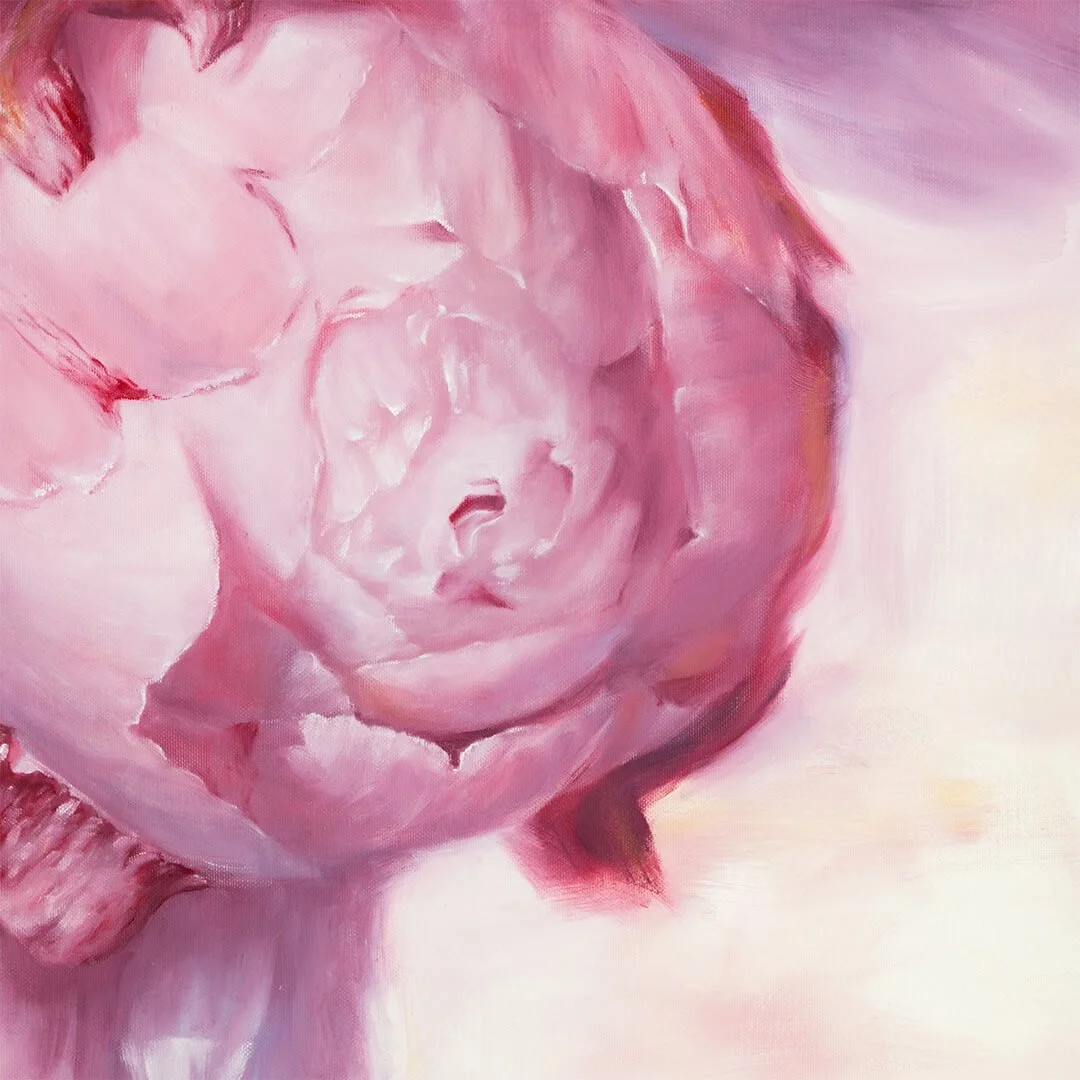
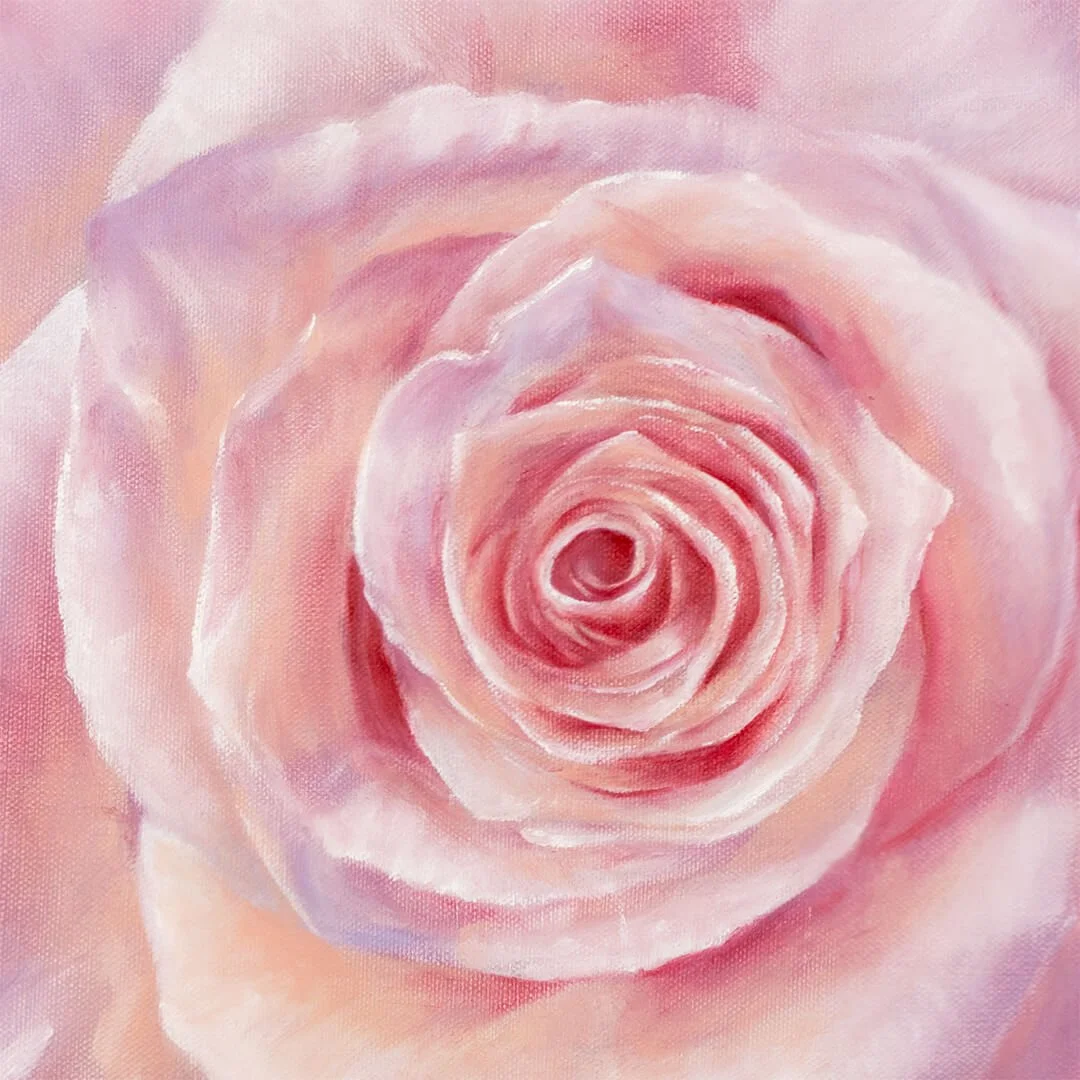
Yes, I am a minimalist in life and in the studio. Interestingly, that takes on a similar form in both spaces. There's this idea of 'enough.' How do I add enough detail to convince you this is a rose? How do I show enough of this petal structure to make your eye see it? …and what can I leave out without making you notice it's missing? I want to give each painting a structure, and I also want to leave in the raw, vulnerable parts that give it life.
Many of your subjects appear suspended outside of time. How do you create that sense of timelessness?
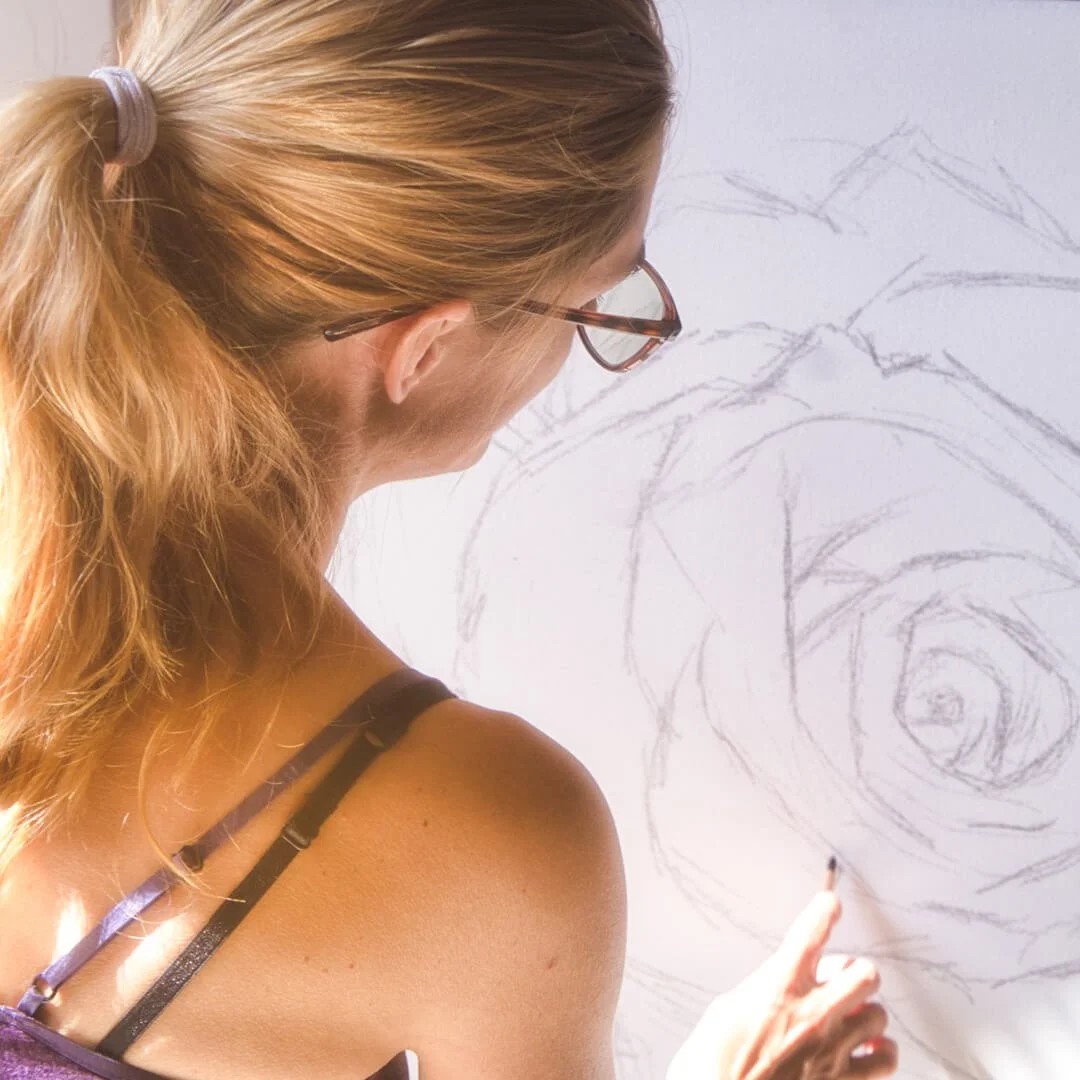
That's a good question. I'm not sure I have a good answer, but I can trace a lot of this idea back to Da Vinci's La Scapigliata, an unfinished work (and arguably one of my favorites), where the artist balanced the woman's fully rendered portrait against the rough outlines of her messy hair. That image for me is timeless. The fact that it's unfinished, in my opinion, makes it even more beautiful. It embodies a sense of becoming.
In my art, I try to simultaneously capture a fleeting moment and a moment outside of time. I suppose I do this by leaving the environment and the edges that lead to it intentionally vague and undefined, much in the spirit of the disheveled lady. The setting is still there, but it could be anywhere, at any time.
You teach classical painting workshops alongside your studio practice. What do students consistently find most difficult, and what does teaching reveal to you about your own process?
A lot of my students have difficulty in the final layers of the painting, where color glazing and impasto occur. It's like, they've spent so much time trying to build a perfect image, and these layers challenge them to mess it up a little. It's a risk. Oftentimes, they'd rather not take it.
When I first started teaching, I noticed I myself was taking a very strict academic approach to my own painting. It was as if I were teaching in my head as I worked, imagining how I would explain certain parts of the process to students. Letting go of that and just allowing myself to paint out of order or break rules was very hard and very freeing. So I think teaching, for the most part, has taught me that the rules and process are important to learn so that you can break them and develop your own process later on.
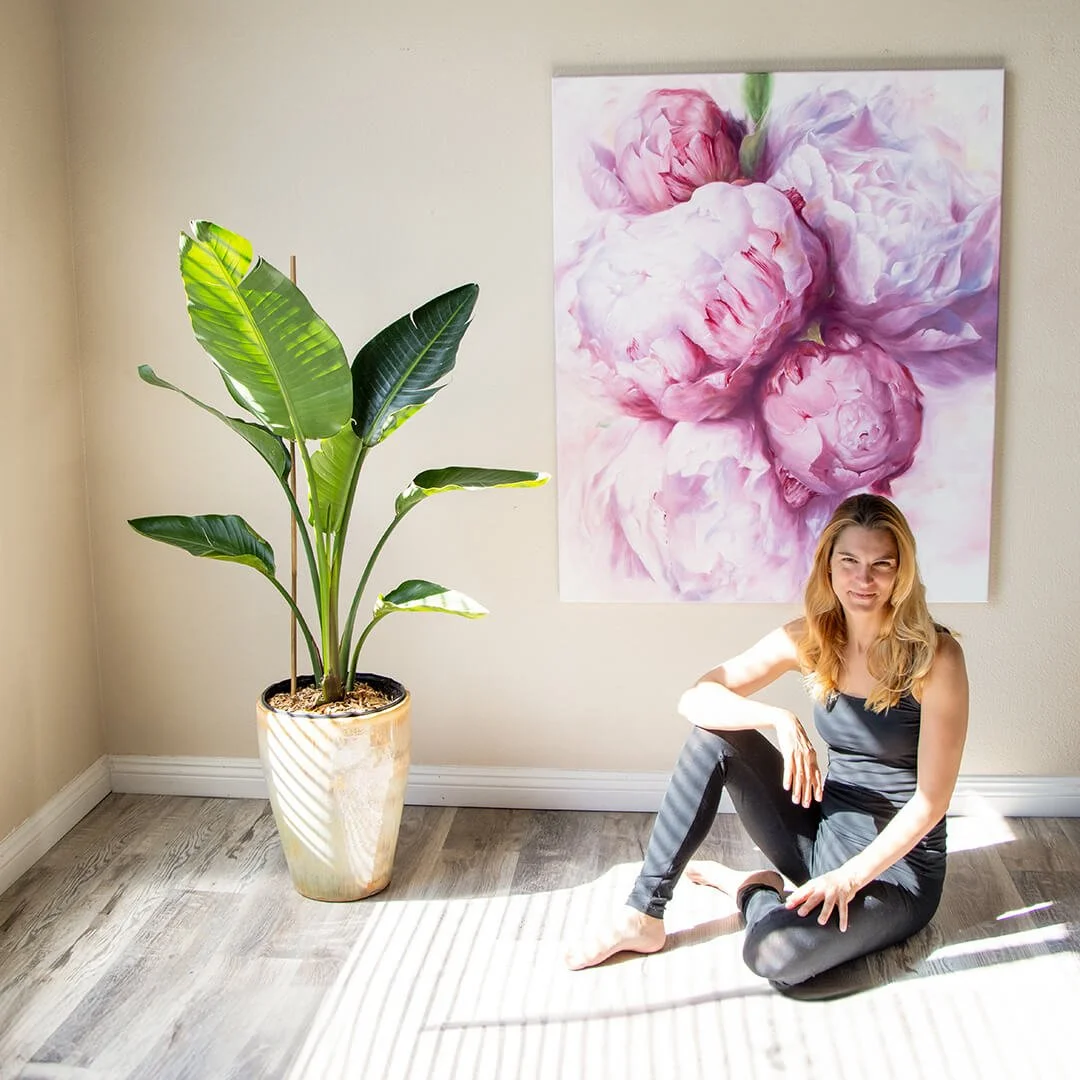
Travel has played an important role in your life. How have different places shaped the way you see beauty and value?
Mostly, travel has taught me to be more open and accepting. It's widened my lens. I'm very interested in understanding why a person or a culture finds something beautiful, what's behind their perception of things.
It's also been intriguing to see how light appears in my paintings from different places. I mentioned a golden light in Italy; in Belgium, the light was more blue; in the Middle East, it was interior light; here in California, it's like a spectrum. I never would have expected that had I not experienced it.
What are you most curious to explore next in your practice?
I plan to continue exploring flowers and everyday objects… but I'm also finding myself drawn back to figurative work and portraiture, not in the sense of depicting actual living people, but in using the human image to convey universal ideas. I'd rather not give too much away about that yet, but it's been in the works since earlier this year, and I'm very excited to see where it goes!