Valerie Carmet
About the Create! Magazine 10th Anniversary Book: Create! Magazine is honored to celebrate a decade of contemporary art by publishing a look back at previously selected artists: their achievements, career growth, and more since being published. Stay tuned for the book launch in fall 2026, and join our newsletter to stay up to date.
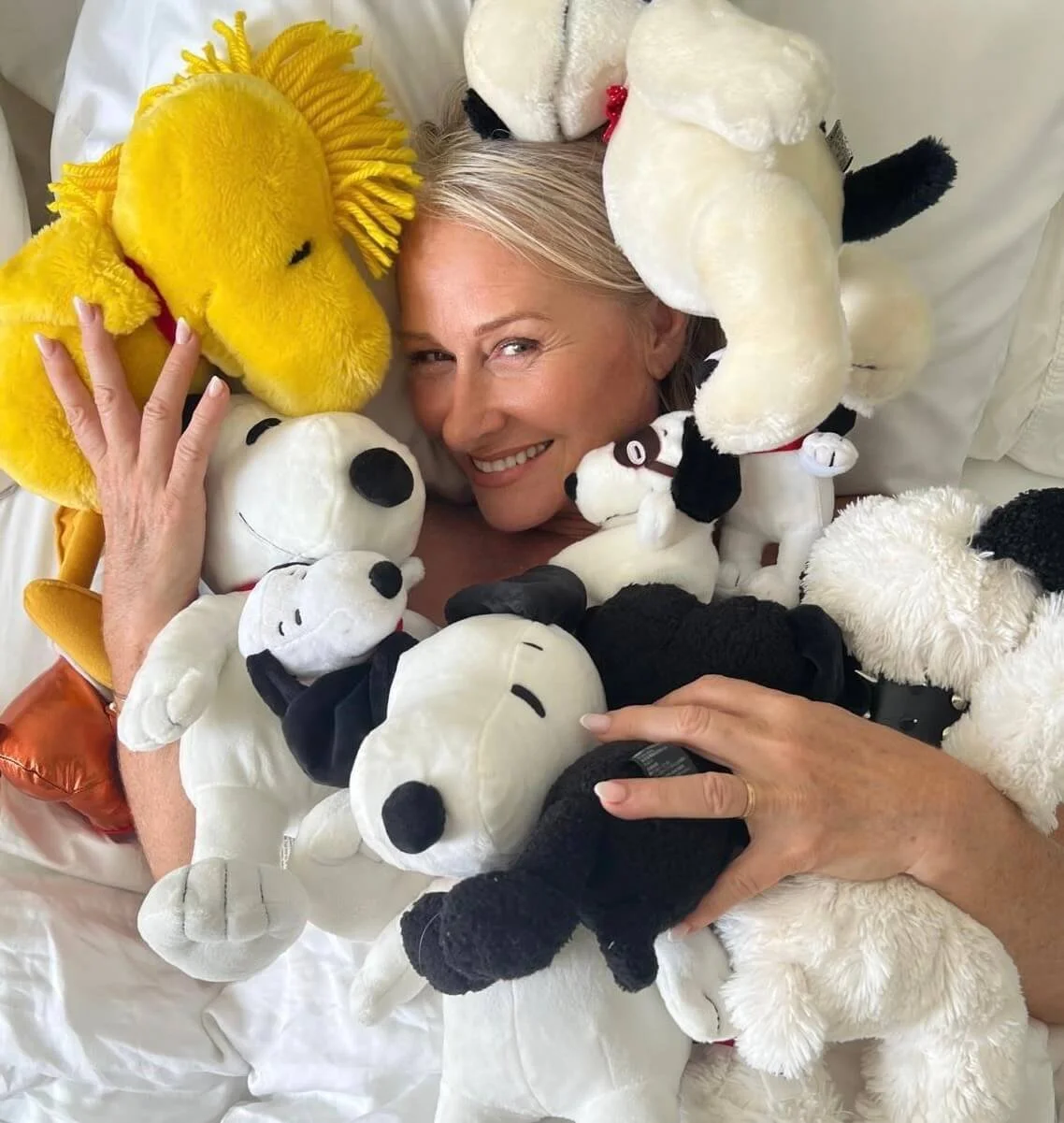
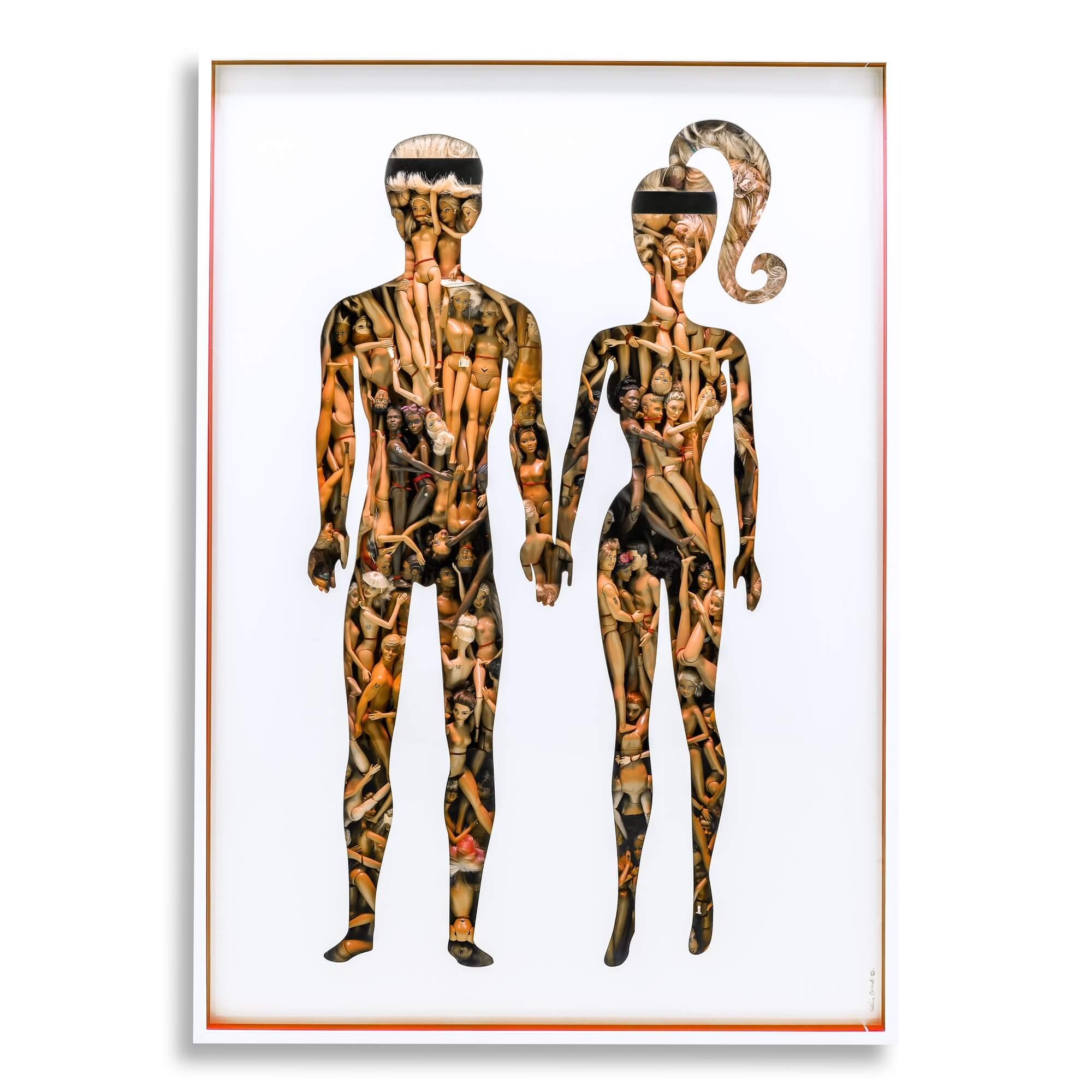
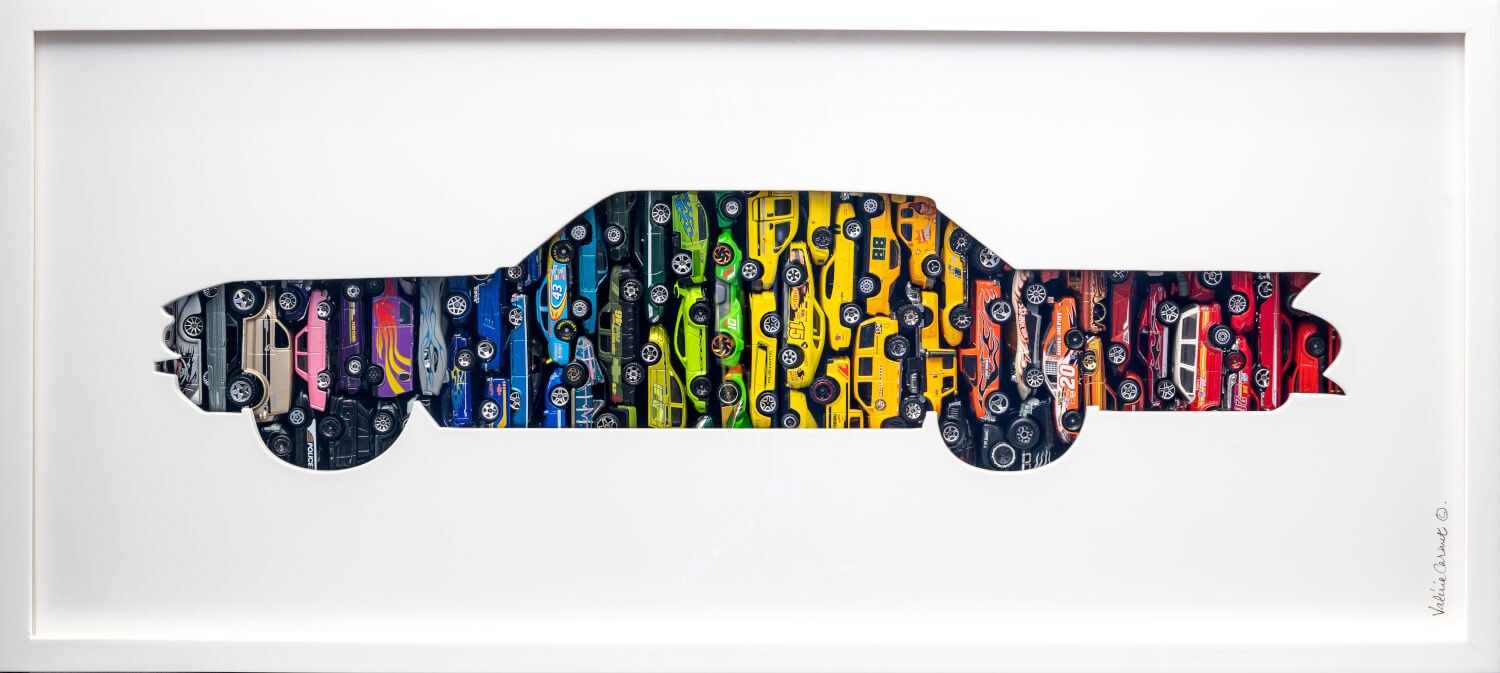
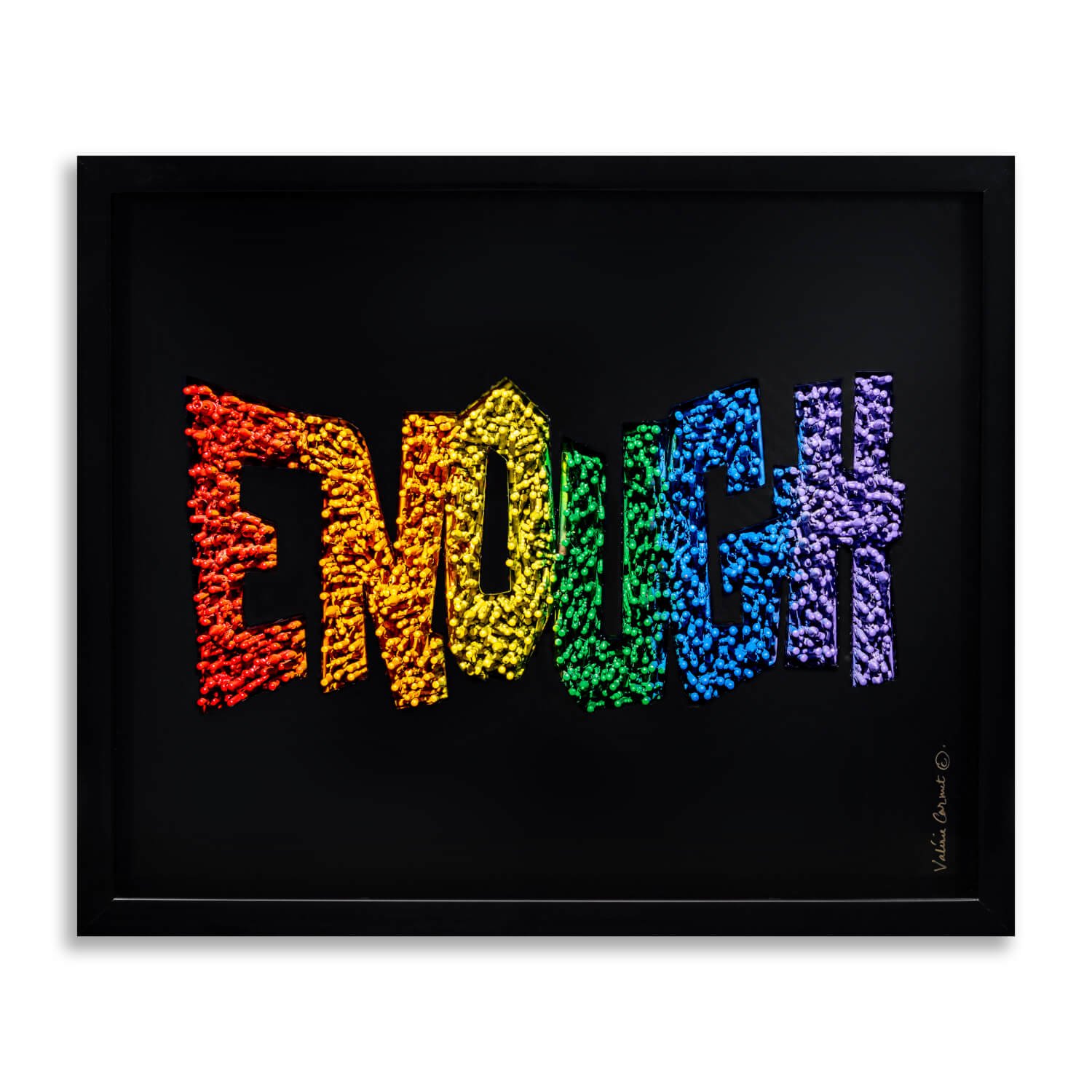
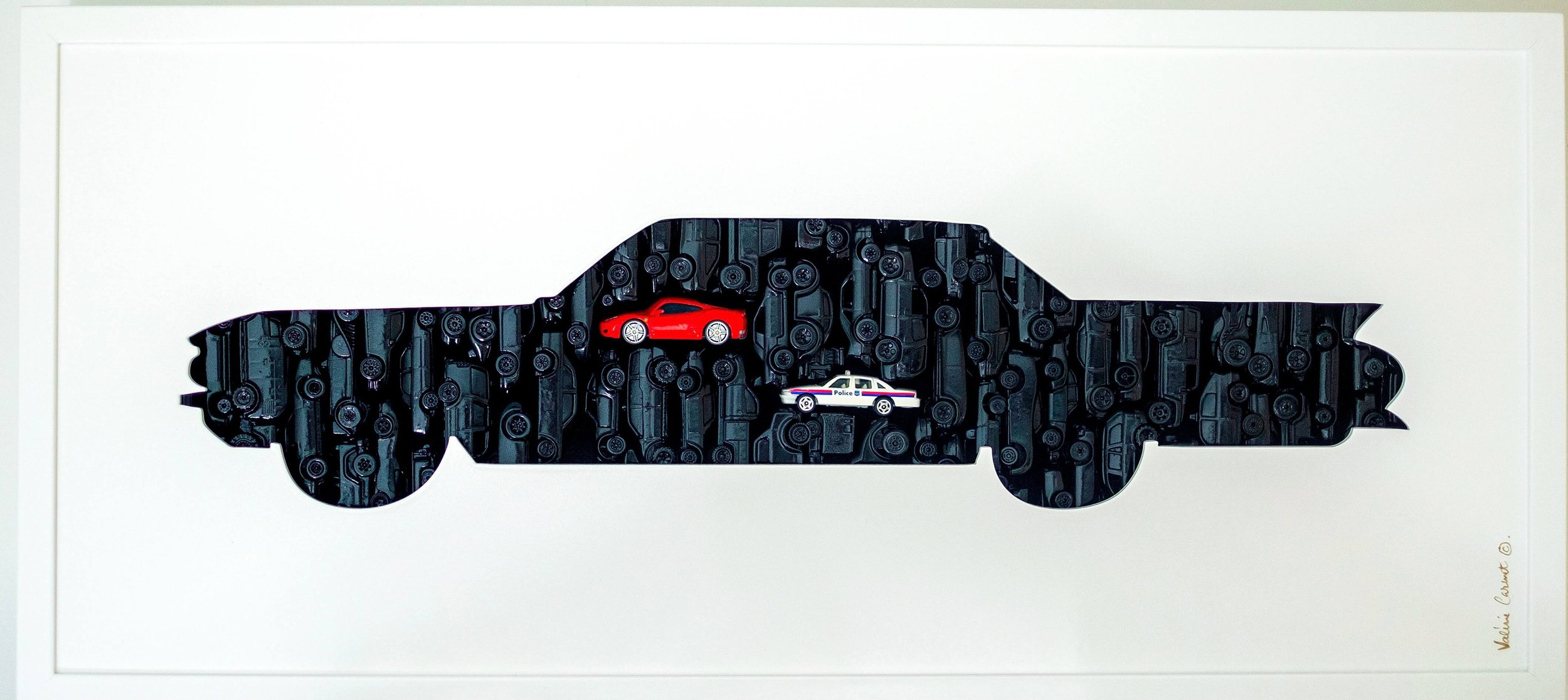
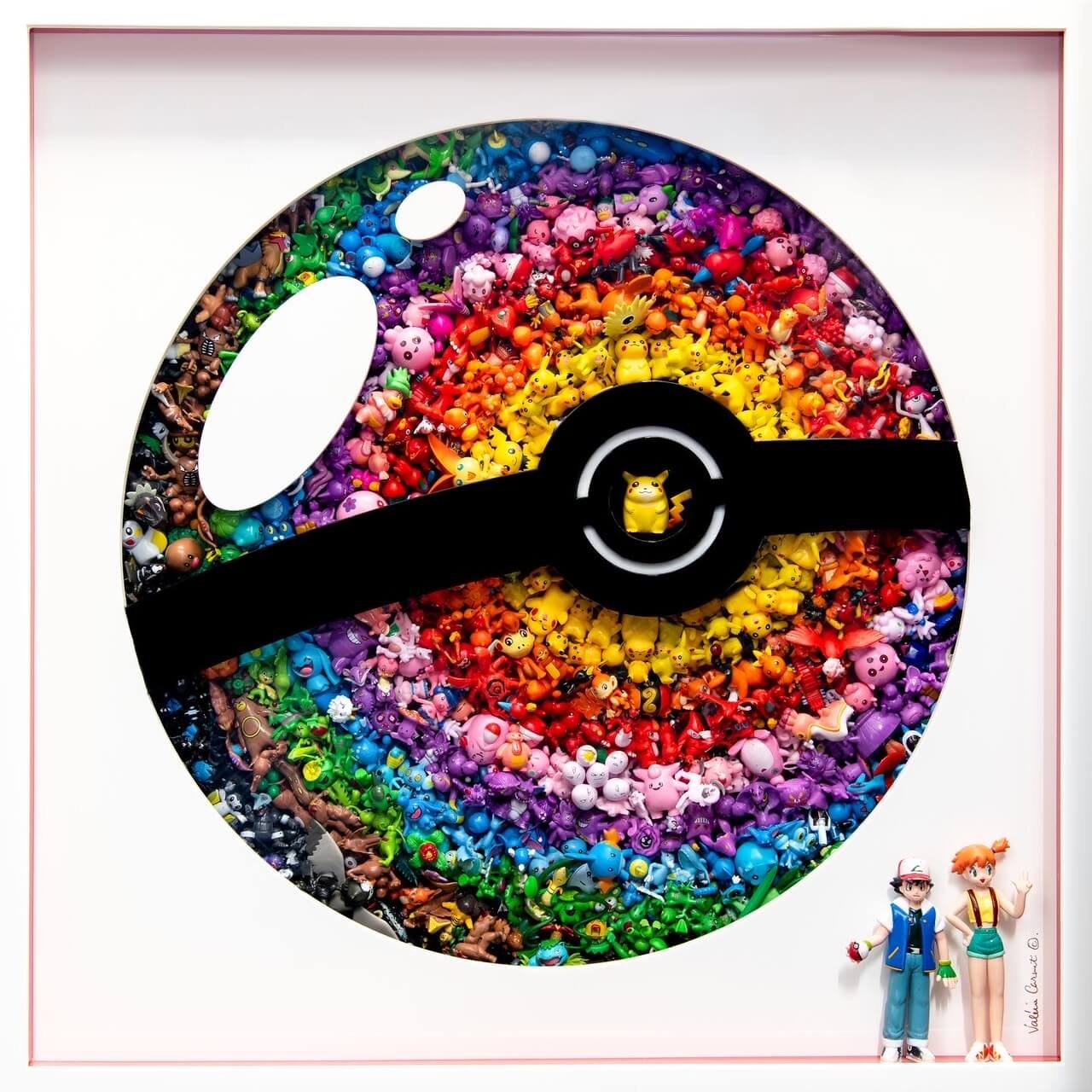
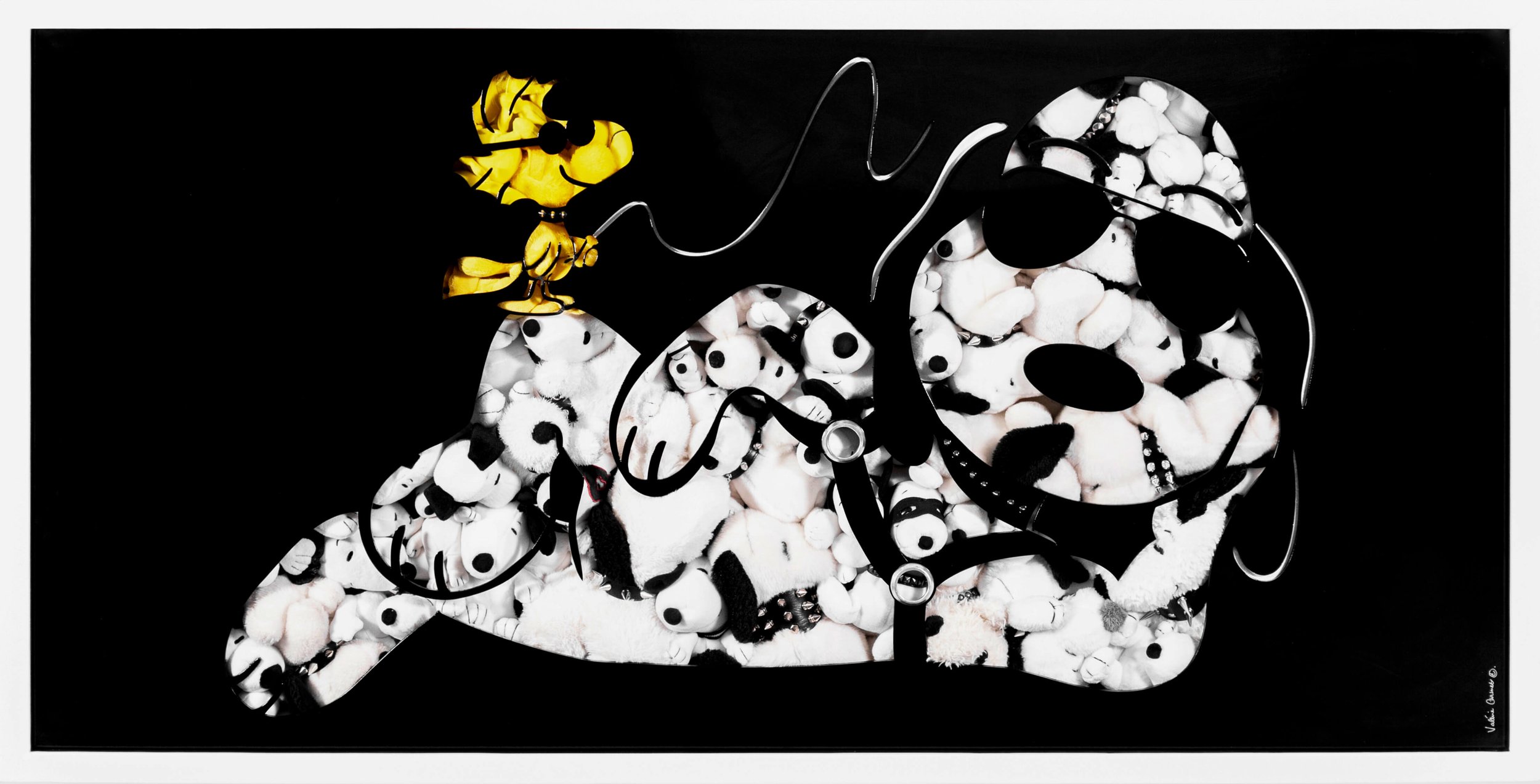
Valerie Carmet, featured in both Create! Magazine and the Create! Magazine 10th Anniversary Book, is a French-American Pop Art assemblage artist based between New York and Miami. She has built an independent studio practice exhibiting internationally and is best known for The ToyBox Collection: Not Intended for Small Children — an ongoing body of work that transforms discarded and recycled toys into bold, three-dimensional artworks exploring memory, identity, and pressing social issues.
Carmet is interested in the tension between innocence and meaning, repurposing familiar childhood objects — plastic figurines, games, and mass-produced toys — within precisely cut wooden silhouettes to address gender equality, environmental sustainability, consumer culture, violence, mental health, and social conditioning. She is influenced by the visual language of Pop Art and the assemblage tradition for the way these movements elevate everyday objects into vehicles of cultural critique.
Sustainability is central to her practice: many of the toys in her works are recovered from beaches or second-hand sources, reinforcing her conviction that art can critique overconsumption while offering renewal.
Carmet's ToyBox works have been exhibited at The Untitled Space in New York, Chic Evolution in Florida, and Range of Arts in France, as well as at the Affordable Art Fair, SCOPE, and Art Miami, with a recurring presence during Miami Art Week. Her works are held in private collections worldwide.
Through color, nostalgia, and provocation, Carmet's practice transforms childhood artifacts into contemporary narratives — work that looks playful at first glance, yet resonates far beyond it.
Artist Statement
In her Pop Art collection, ToyBox Collection: Not Intended for Small Children, Valerie Carmet describes her approach as follows:
"My children’s toys, too sweet and memorable to lose, were gathering dust in a box. I began this series to reflect on my own childhood and realized the importance ‘play’ has had in our lives, the psychological effect it continues to have on us as adults.
I started to ‘play’ with toys in my art and created an outlet to discuss controversial issues and express my take on uncomfortable subjects like gun violence, war, gender equality, LGBTQIA rights, marriage, mental health, sex, and more.
I hope my art touches my audience in a playful way. I want to give people of all ages, races, genders, and backgrounds the desire to play again and reflect on those childhood feelings where emotions were still raw and untarnished. I hope they can see the world again with a nonjudgmental spirit and mind, and wonder how many things went wrong on so many levels, but still feel joyful knowing the world can be a more inclusive place for everyone."
www.valeriecarmet.com

What initially drew you to art?
Ever since I was a little girl, I felt a pull towards creativity. It was like a whisper in my heart telling me I was meant to be an artist of some kind. But my parents weren't on board with the idea. They worried about the "starving artist" stereotype and encouraged me to pursue a more stable path. So, I ended up in business school.
Even there, surrounded by numbers and spreadsheets, I couldn't shake the feeling that something was missing. I craved an outlet for my creativity. That's when I stumbled into fashion. It was exciting, and for a while, it felt like the right fit. But as time went on, I realized I still had so much more to explore creatively.
So, I took a leap of faith and dove into painting, sculpture, ceramics—you name it. Each medium felt like a new adventure, a way to express myself in ways I hadn't imagined before. And now, I'm deep into assemblage and Pop Art, blending found objects with vibrant colors to tell stories that feel uniquely mine. It’s been a journey of ups and downs, but through it all, I’ve stayed true to that little girl who always knew she was meant to create.
What elements of your life have ended up becoming a part of your art?
As I reflect on my journey as an artist, I find that many elements of my life have seamlessly woven themselves into my art, shaping it in profound ways. Growing up in a family where circumstances demanded that I shoulder adult responsibilities from a young age, I missed out on the carefree joys of childhood that other kids experienced. While other children played with toys or collected seashells on the shore, I navigated a world that required me to mature faster than my years.
Yet, as I journeyed through adulthood, a longing for the innocence and whimsy of youth began to stir within me. It was a late awakening, but one that sparked a transformative shift in my artistic expression. Embracing the idea of playfulness, I began infusing my art with the very toys I once longed for as a child. These seemingly simple objects became portals through which I could explore complex and contentious topics that resonate deeply with me.
My art became more than just a medium for creativity—it became a platform for conversation and reflection on issues that are often relegated to the shadows. From the realities of gun violence and the horrors of war to the intricacies of gender equality, LGBTQIA rights, marriage, mental health, and sexuality, each piece I create serves as a bold declaration of my perspective on these contentious matters.
In reclaiming the innocence of childhood through my art, I’ve discovered a newfound sense of liberation—a space where I can confront uncomfortable truths with courage and compassion. It’s a journey of self-discovery and advocacy, where the lines between artist and activist blur, and where every assemblage or placement of a figurine carries the weight of my experiences and convictions.
What about your practice do you find the most fulfilling and/or energizing?
What really drives my art isn't just the act of creating—it’s the exciting process of exploring materials before I even begin. When I say "exploring," I mean digging into raw and recycled materials. It’s during this process that ideas begin to surface, leading to sketches, colors, and eventually a new piece of art that sparks excitement.
Every material I come across has its own story waiting to be told. Each one feels like a key that unlocks my imagination. When I find new recycled materials, I feel like there are no limits to what I can create. This freedom pushes me to think outside the box and try new things.
My day-to-day life provides much of the inspiration for my creative process. My love of mosaics started my artistic career, and I was a mosaicist for many years before transitioning into fine art and Pop Art. My ToyBox Collection was inspired by my kids' forgotten toys. A walk on the beach led to my seashell series.
My fashion background is inspiring a new series I'm currently working on: "Art is Fashion - Fashion is Art." My passion for ecology and a growing awareness of my carbon footprint also motivate me to use recycled materials. My motto has become: "The trash of some is the art of others."
The diversity of my work and the materials I use are a constant source of inspiration and motivation. No two elements are ever the same. This individuality forces me to cultivate more flexible techniques and a new way of thinking and working.
Tell us about your experience getting to where you are now. What has been the most important thing you’ve learned?
Today, I feel immense gratitude for reaching a significant milestone in my journey as an artist—the ability to sustain myself fully through my craft, without relying on supplementary employment. This achievement wasn’t handed to me; it came after years of perseverance through challenges and doubts.
The road to where I stand now has been filled with obstacles, both external and internal. Doubtful whispers from those closest to me often threatened to overshadow my dreams of artistic self-sufficiency. Yet, in the face of adversity, I learned a valuable lesson: resilience is key.
Despite the skeptics, I persisted. I poured my heart and soul into my art, continually refining my skills and nurturing my creativity. Through every setback and moment of self-doubt, I remained steadfast in my commitment to authenticity and passion.
As I reflect on my journey, I realize that staying true to myself was the most crucial aspect of my success. By listening to my inner voice and following my heart, I’ve been able to carve out a path that is uniquely mine. In doing what I love, I’ve found fulfillment and purpose.
So, to anyone facing similar challenges on their own journey, I offer this advice: Don’t let the doubts of others dim your light. Stay true to yourself, work hard, and believe in the power of your dreams. Success may not come overnight, but with perseverance and authenticity, it will come.
How has ‘community’ impacted your artistic practice?
Although most artists spend a lot of time working alone in their studios, they rely heavily on their community to shape their creative journey. While solitude is often intrinsic to the artistic process, the input and engagement of peers, fellow artists, and the broader community play a crucial role in fostering growth.
The concept of “community” goes beyond mere companionship; it serves as a cornerstone of artistic practice, providing opportunities for feedback, collaboration, and shared experiences. Whether through recognition or constructive criticism, the perspectives of others offer valuable insights that help guide artists on their creative path.
While self-sufficiency can be appealing, artistic progress thrives on interaction and collaboration. No artist exists in a vacuum, and the exchange of ideas within a supportive community enriches the creative process immeasurably.
In my own journey as an artist, I’ve been fortunate to encounter individuals in my community whose support and encouragement have been instrumental in my growth. Their belief in my work has fueled my passion and inspired me to push beyond my perceived limitations.
The collective energy and shared enthusiasm of my community have become an integral part of my artistic practice. Without their support, my journey would lack the depth and richness that comes from mutual collaboration and shared experiences.
In essence, the significance of community in artistic practice cannot be overstated. It is through the connections forged within our creative circles that we find the inspiration, motivation, and support necessary to thrive as artists.